


The term 婆婆 (pó po) has a significant place in the lexicon of the Chinese language, embodying both linguistic and cultural importance. This article aims to dissect the meaning of 婆婆, outline its grammatical structure, and provide illustrative examples to enhance your understanding and usage of this term.
What Does 婆婆 (pó po) Mean?
婆婆 (pó po) primarily refers to a grandmother or elderly woman, specifically one’s husband’s mother in some contexts. This term can also imply an elder woman, often carrying connotations of warmth, respect, and familial ties.
Cultural Significance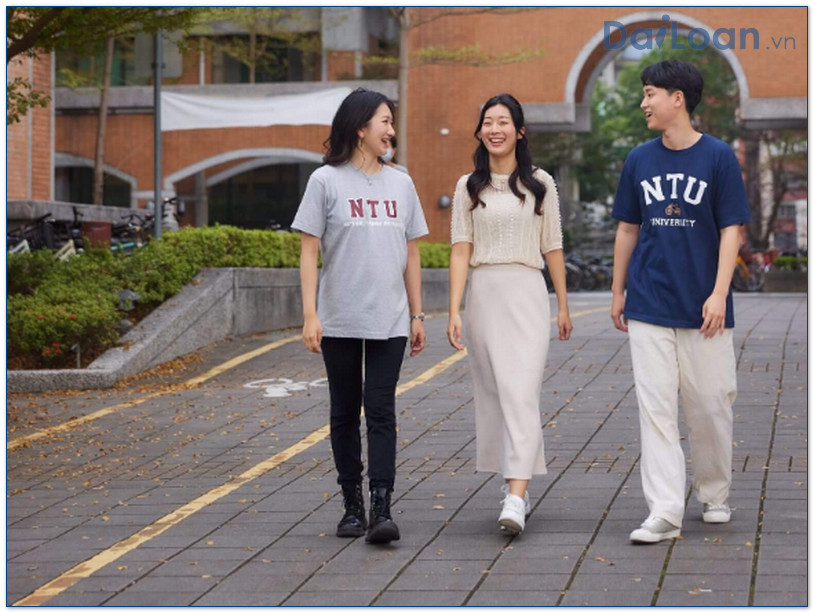

In Chinese culture, the role of a grandmother or婆婆 is vital as she often plays a key part in family dynamics, imparting wisdom, cultural values, and caring for younger generations. Addressing an elder as 婆婆 indicates respect and affection.
Grammatical Structure of 婆婆 (pó po)
Grammatically, 婆婆 can be broken down into the following components:
- 婆 (pó): This character often relates to terms for “old woman” or “grandmother” and denotes a female elder.
- 婆婆 (pó po): The repetition of the character enhances the term, making it more affectionate and approachable.
In spoken and written Chinese, 婆婆 functions as a noun, typically positioned as the subject or object within a sentence.
Example Sentences Using 婆婆 (pó po)
Basic Usage
- 我很爱我的婆婆。
(Wǒ hěn ài wǒ de pó po.) – I love my grandmother very much. - 婆婆教我做饭。
(Pó po jiāo wǒ zuò fàn.) – Grandma teaches me how to cook.
In Cultural Context
- 每年春节我们都会去看望婆婆。
(Měi nián Chūnjié wǒmen dūhuì qù kànwàng pó po.) – Every year during the Spring Festival, we visit grandma. - 婆婆总是讲述她年轻时的故事。
(Pó po zǒng shì jiǎngshù tā niánqīng shí de gùshì.) – Grandma always tells stories from her youth.
Using 婆婆 in Different Contexts
Besides its primary meaning, 婶婶 (shěn shen), which refers to one’s aunt or uncle’s wife, can also emerge in discussions around family networks, particularly with younger generations referencing their grandparents. Here are some more varied sentences:
- 我婆婆教我如何织毛衣。

(Wǒ pó po jiāo wǒ rúhé zhī máoyī.) – My grandmother taught me how to knit. - 每次和婆婆聊天我都很开心。
(Měi cì hé pó po liáotiān wǒ dōu hěn kāixīn.) – I always feel happy chatting with grandma.

Conclusion
Understanding the term 婆婆 (pó po) goes beyond its simple translation, embracing a rich cultural connotation that highlights the importance of familial relationships. Utilizing this term correctly in conversation not only improves your Chinese fluency but also deepens your appreciation for Chinese customs and values.
For learners and enthusiasts of the Chinese language, integrating meaningful vocabulary such as 婆婆 into daily speech will enhance communication competence and cultural insight.


Sứ mệnh của Chuyên là giúp đỡ và truyền cảm hứng cho các bạn trẻ Việt Nam sang Đài Loan học tập, sinh sống và làm việc. Là cầu nối để lan tỏa giá trị tinh hoa nguồn nhân lực Việt Nam đến với Đài Loan và trên toàn cầu.
CÓ THỂ BẠN QUAN TÂM
Du học Đài Loan
Lao Động Đài Loan
Việc Làm Đài Loan
Đơn Hàng Đài Loan
Visa Đài Loan
Du Lịch Đài Loan
Tiếng Đài Loan
KẾT NỐI VỚI CHUYÊN
Zalo: https://zalo.me/0936126566
Website: www.dailoan.vn