


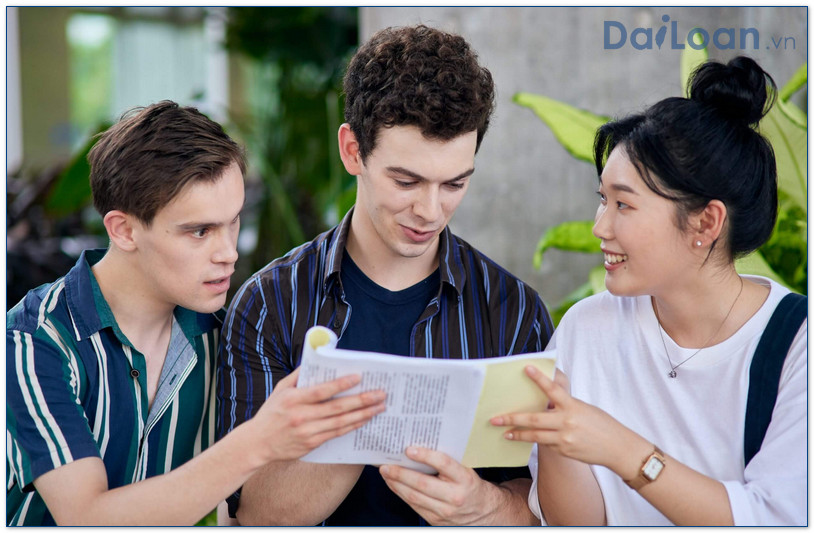
In the realm of the Chinese language, understanding the meaning and usage of specific words can enhance one’s comprehension and communication skills. One such pivotal term is 婦女 (fù nǚ). This article aims to delve into its meaning, grammatical structure, and provide relevant example sentences to illustrate its application in everyday conversation.
What Does 婦女 (fù nǚ) Mean?
婦女 (fù nǚ) translates to “women” or “females” in English. It is commonly used to refer to adult women and can encompass various contexts, such as discussions about gender, society, and culture. The term reflects not only the gender aspect but also serves as a cultural reference in many discussions related to women’s roles in society.
Grammatical Structure of 婦女
Breaking Down the Components
婦女 (fù nǚ) consists of two characters: 婦 (fù) and 女 (nǚ).
- 婦 (fù): This character means “wife” or “woman.” It is often associated with familial and marital contexts.
- 女 (nǚ): This character simply means “female” or “woman.” It is a fundamental component in many related terms in Chinese.
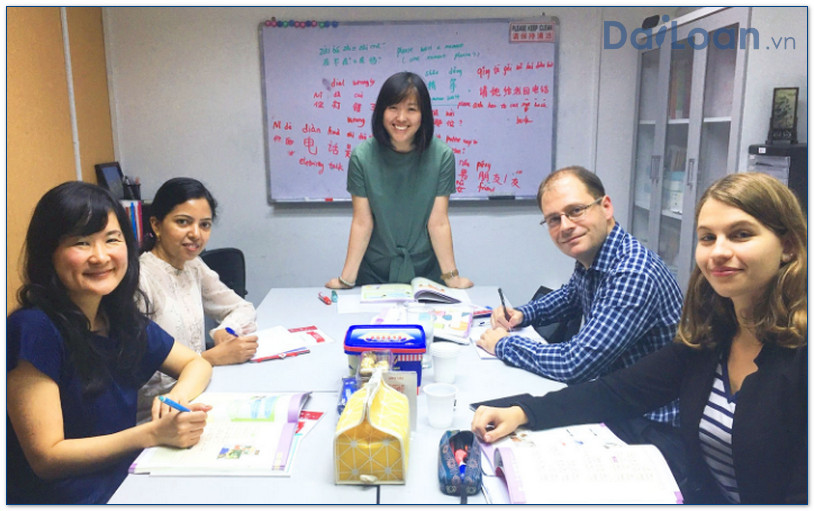

Usage in Sentences
In terms of grammar, 婦女 (fù nǚ) functions as a noun and can be preceded by adjectives or phrases to describe specific qualities or groups of women. For instance, one might say “年輕婦女 (niánqīng fùnǚ)” to refer to “young women.”
Example Sentences Using 婦女 (fù nǚ)
Common Contexts
Understanding how 婦女 is used in context can greatly aid learners of Chinese. Here are some example sentences:
- 很多婦女在事業上越來越成功。 (Hěnduō fùnǚ zài shìyè shàng yuèlāi yuè chénggōng.)
Translation: Many women are becoming increasingly successful in their careers.
- 這個節日是為了慶祝婦女的成就。 (Zhège jiérì shì wèi le qìngzhù fùnǚ de chéngjiù.)
Translation: This festival is to celebrate the achievements of women. - 婦女應該受到平等的對待。 (Fùnǚ yīnggāi shòudào píngděng de duìdài.)
Translation: Women should be treated equally.

Extending the Usage of 婦女
In various dialogues, 婦女 can be further combined with other words to denote specific groups:
- 單親婦女 (dānqīn fùnǚ) – Single mothers
- 退休婦女 (tuìxiū fùnǚ) – Retired women
Conclusion
In conclusion, understanding the term 婦女 (fù nǚ) not only enriches one’s vocabulary but also opens doors to discussions surrounding gender equality and women’s roles in modern society. Its grammatical structure and various usages showcase the depth of the Chinese language and culture.
By incorporating 婦女 into your Chinese language repertoire, you are taking a significant step towards engaging meaningfully in conversations about important social issues.


Sứ mệnh của Chuyên là giúp đỡ và truyền cảm hứng cho các bạn trẻ Việt Nam sang Đài Loan học tập, sinh sống và làm việc. Là cầu nối để lan tỏa giá trị tinh hoa nguồn nhân lực Việt Nam đến với Đài Loan và trên toàn cầu.
CÓ THỂ BẠN QUAN TÂM
Du học Đài Loan
Lao Động Đài Loan
Việc Làm Đài Loan
Đơn Hàng Đài Loan
Visa Đài Loan
Du Lịch Đài Loan
Tiếng Đài Loan
KẾT NỐI VỚI CHUYÊN
Zalo: https://zalo.me/0936126566
Website: www.dailoan.vn