


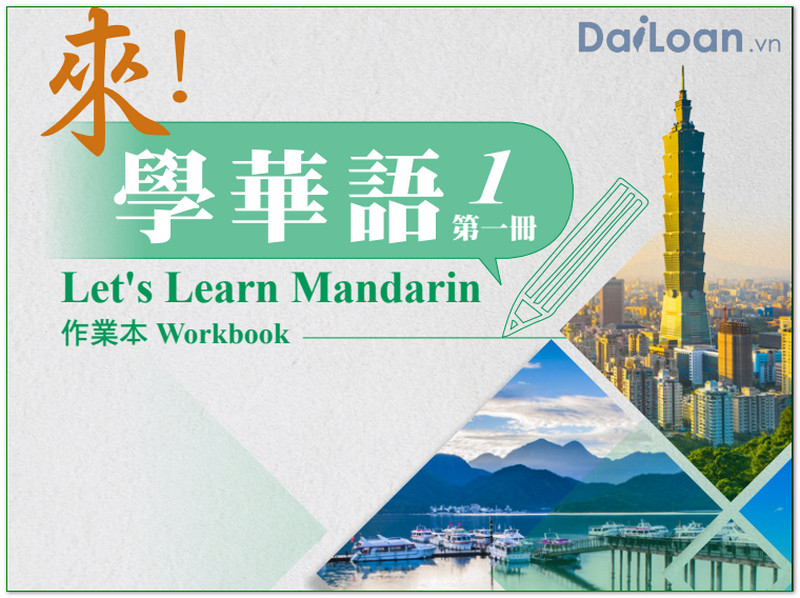
In the journey of learning Chinese, understanding the nuances of vocabulary is crucial. One important term in this language is 學歷 (xué lì), which refers to educational background or academic qualifications. In this article, we will delve into its meaning, grammatical structure, and provide example sentences to illustrate its use effectively.
Meaning of 學歷 (xué lì)
The term 


Grammatical Structure of 學歷
In Mandarin Chinese, 學歷 (xué lì) is composed of two distinct characters:
- 學 (xué): This character means “to learn” or “to study.” It is a common element in words related to education.
- 歷 (lì): This character means “experience” or “history.” It refers to one’s personal history related to their qualifications.
When put together, 學歷 (xué lì) reflects the history of learning or academic experience. It is a noun and typically appears in conversations revolving around education, job applications, and personal backgrounds.
Example Sentences Using 學歷
To better understand how to use 學歷 (xué lì) in context, here are some example sentences:
1. Discussing Educational Background
我的學歷包括本科和碩士學位。
(Wǒ de xuélì bāokuò běnkāo hé shuòshì xuéwèi.)
“My educational background includes a bachelor’s degree and a master’s degree.”
2. Evaluating Job Candidates
在選擇候選人時,學歷是一個重要的考量因素。
(Zài xuǎnzé hòuxuǎnrén shí, xuélì shì yī gè zhòngyào de kǎoliàng yīnsù.)
“When selecting candidates, educational background is an important consideration.”
3. Importance of Academic Achievements
擁有良好的學歷可以幫助你找到更好的工作。
(Yǒngyǒu liánghǎo de xuélì kěyǐ bāngzhù nǐ zhǎodào gèng hǎo de gōngzuò.)
“Having a good educational background can help you find better employment.”
4. Comparing Qualifications
他的學歷比我高,因此他有更多的機會。
(Tā de xuélì bǐ wǒ gāo, yīncǐ tā yǒu gèng duō de jīhuì.)
“His educational background is higher than mine, so he has more opportunities.”
Conclusion
Understanding the term 學歷 (xué lì) enriches your command of the Chinese language and enhances your ability to engage in discussions about education and qualifications. This term plays a pivotal role in professional and academic contexts in China. By mastering its meaning, grammatical structure, and usage, learners can communicate more effectively and navigate their educational journeys with confidence.


Sứ mệnh của Chuyên là giúp đỡ và truyền cảm hứng cho các bạn trẻ Việt Nam sang Đài Loan học tập, sinh sống và làm việc. Là cầu nối để lan tỏa giá trị tinh hoa nguồn nhân lực Việt Nam đến với Đài Loan và trên toàn cầu.
CÓ THỂ BẠN QUAN TÂM
Du học Đài Loan
Lao Động Đài Loan
Việc Làm Đài Loan
Đơn Hàng Đài Loan
Visa Đài Loan
Du Lịch Đài Loan
Tiếng Đài Loan
KẾT NỐI VỚI CHUYÊN
Zalo: https://zalo.me/0936126566
Website: www.dailoan.vn