


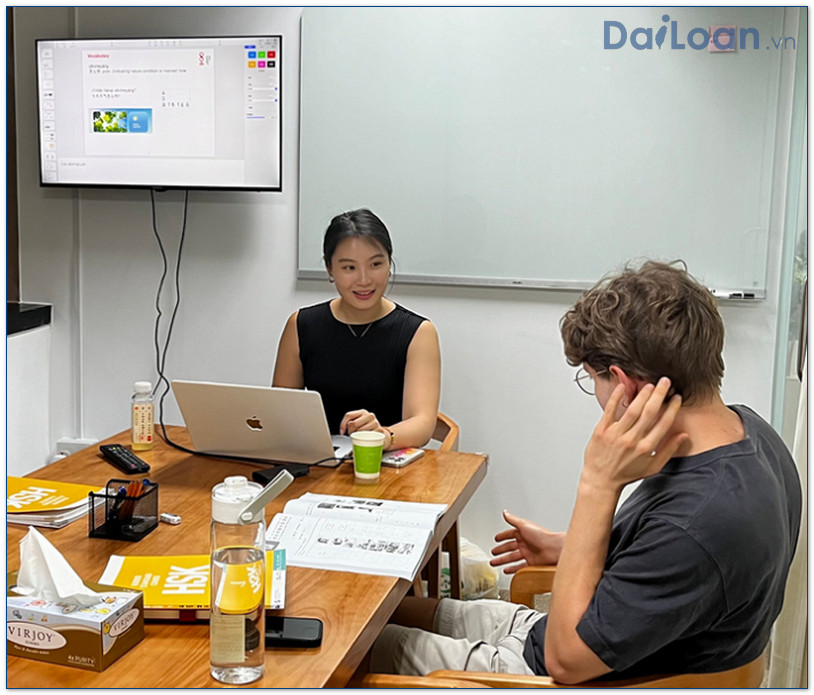
In the Chinese language, the term 客氣 (kèqì) holds significant cultural and communicative value. This article aims to delve into its meaning, grammatical structure, and provide example sentences to elucidate its usage in daily conversation. Whether you are a language learner or simply interested in Chinese culture, understanding this term is essential.
What Does 客氣 (kèqì) Mean?
The term 客氣 (kèqì) directly translates to “politeness” or “courtesy” in English. It is used to express respect and considerateness in social interactions, embodying a vital aspect of Chinese culture. When someone acts 客氣, they demonstrate humility, politeness, and an awareness of social etiquette.
Cultural Context of 客氣
In Chinese society, showing 客氣 is crucial during interactions. It is common for people to downplay their contributions or achievements, often responding with “客氣” when receiving compliments. This reflects a deep-rooted belief in valuing harmony and maintaining face in social contexts.
Grammatical Structure of 客氣
Understanding the grammatical structure of 客氣 (kèqì) is essential for proper usage in sentences. The word can function both as a noun and an adjective within various grammatical contexts.
Noun Usage
As a noun, 客氣 refers to the concept of politeness itself. For instance:

- 他的客氣讓我感到很舒服。 (Tā de kèqì ràng wǒ gǎndào hěn shūfu.) – His politeness makes me feel very comfortable.
Adjective Usage
When used as an adjective, 客氣 describes a person or their behavior, suggesting they are polite or courteous:
- 她是一個很客氣的人。 (Tā shì yīgè hěn kèqì de rén.) – She is a very polite person.
Example Sentences Using 客氣 (kèqì)
To further illustrate the use of 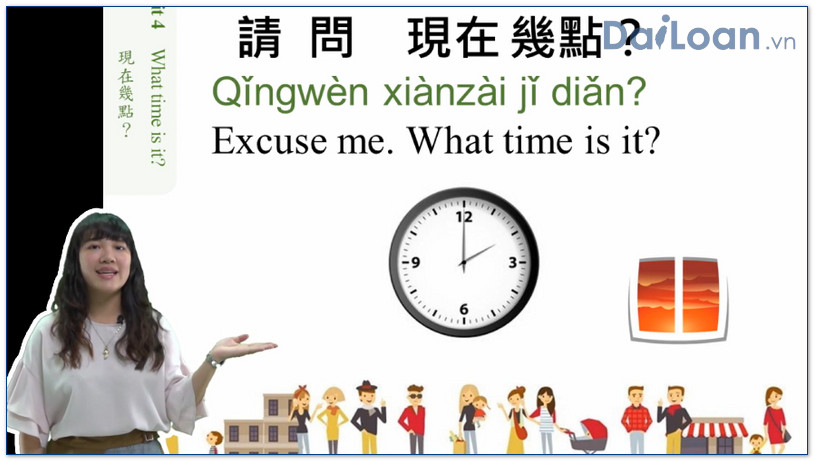

Everyday Situations
- 對不起,我不想客氣。 (Duìbùqǐ, wǒ bù xiǎng kèqì.) – I’m sorry, I don’t want to be polite (I want to speak frankly).
- 謝謝你的幫助,你太客氣了! (Xièxiè nǐ de bāngzhù, nǐ tài kèqì le!) – Thank you for your help, you are too polite!
In Formal Settings
- 在第一次見面時,保持客氣是很重要的。 (Zài dì yī cì jiànmiàn shí, bǎochí kèqì shì hěn zhòngyào de.) – It is important to be polite during the first meeting.
- 請不要客氣,若有需要幫忙,隨時告訴我。 (Qǐng bùyào kèqì, ruò yǒu xūyào bāngmáng, suíshí gàosù wǒ.) – Please don’t be polite; if you need help, just let me know anytime.
Conclusion
Understanding the meaning and usage of 客氣 (kèqì) is essential for anyone engaging in Chinese language and culture. It embodies the core values of respect and politeness that permeate social interactions. By incorporating this term into your vocabulary, you can enhance your communication skills and embrace the nuances of the Chinese language.
As you continue learning Chinese, remember the importance of 客氣 in creating positive interactions. It not only reflects your understanding of the language but also shows your respect for Chinese culture.


Sứ mệnh của Chuyên là giúp đỡ và truyền cảm hứng cho các bạn trẻ Việt Nam sang Đài Loan học tập, sinh sống và làm việc. Là cầu nối để lan tỏa giá trị tinh hoa nguồn nhân lực Việt Nam đến với Đài Loan và trên toàn cầu.
CÓ THỂ BẠN QUAN TÂM
Du học Đài Loan
Lao Động Đài Loan
Việc Làm Đài Loan
Đơn Hàng Đài Loan
Visa Đài Loan
Du Lịch Đài Loan
Tiếng Đài Loan
KẾT NỐI VỚI CHUYÊN
Zalo: https://zalo.me/0936126566
Website: www.dailoan.vn