


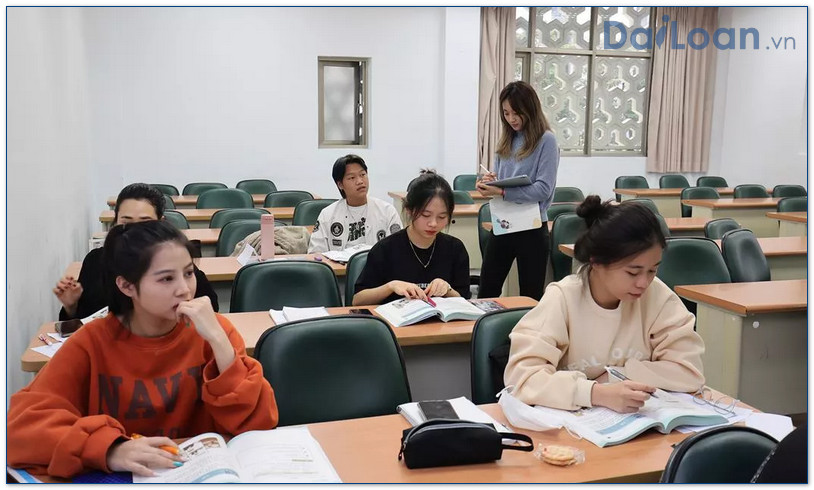
In the realm of Chinese language and culture, certain terms hold significant importance, particularly when related to traditions and lifestyle. One such term is 寒假

The Meaning of 寒假 (hánjià)
寒假 (hánjià) combines two characters: 寒 (hán) meaning “cold” and 假 (jià) meaning “vacation” or “break.” Thus, the term directly translates to “cold vacation” or “winter break.” In Chinese education, 寒假 refers specifically to the winter holidays that occur during the Chinese New Year period, typically lasting from late January to mid-February.
Grammatical Structure of 寒假
The grammatical structure of 寒假 is relatively straightforward. It consists of two characters:
- 寒 (hán): Adjective, describing the cold weather typically associated with the winter season.
- 假 (jià): Noun, referring to a vacation, holiday, or break.
In usage, 寒假 functions as a noun within sentences, usually indicating the period of vacation that students and many workers enjoy during the winter months.

Example Sentences Using 寒假
1. Simple Sentences
- 我喜欢寒假。
Wǒ xǐhuān hánjià.
Translation: I love winter vacation. - 寒假快到了!
Hánjià kuài dào le!
Translation: Winter vacation is coming soon!

2. Complex Sentences
- 今年的寒假我打算去旅行。
Jīnnián de hánjià wǒ dǎsuàn qù lǚxíng.
Translation: This year, I plan to travel during winter vacation. - 寒假期间,学校会举办很多活动。
Hánjià qījiān, xuéxiào huì jǔbàn hěn duō huódòng.
Translation: During the winter vacation, the school will hold many activities.
3. Questions and Answers
- 寒假你会去哪里?
Hánjià nǐ huì qù nǎlǐ?
Translation: Where will you go during winter vacation? - 我会去外婆家。
Wǒ huì qù wàipó jiā.
Translation: I will go to my grandmother’s house.
Conclusion
Understanding the term 寒假 (hánjià) is essential for anyone interested in Chinese culture, especially regarding the winter holiday season. By grasping its meaning, grammatical structure, and usage in various sentences, you can enhance your Chinese language skills and appreciate the significance of winter vacation in the Chinese educational calendar.
Continue exploring the beautiful complexities of the Chinese language to illuminate your journey in mastering this remarkable language!


Sứ mệnh của Chuyên là giúp đỡ và truyền cảm hứng cho các bạn trẻ Việt Nam sang Đài Loan học tập, sinh sống và làm việc. Là cầu nối để lan tỏa giá trị tinh hoa nguồn nhân lực Việt Nam đến với Đài Loan và trên toàn cầu.
CÓ THỂ BẠN QUAN TÂM
Du học Đài Loan
Lao Động Đài Loan
Việc Làm Đài Loan
Đơn Hàng Đài Loan
Visa Đài Loan
Du Lịch Đài Loan
Tiếng Đài Loan
KẾT NỐI VỚI CHUYÊN
Zalo: https://zalo.me/0936126566
Website: www.dailoan.vn