


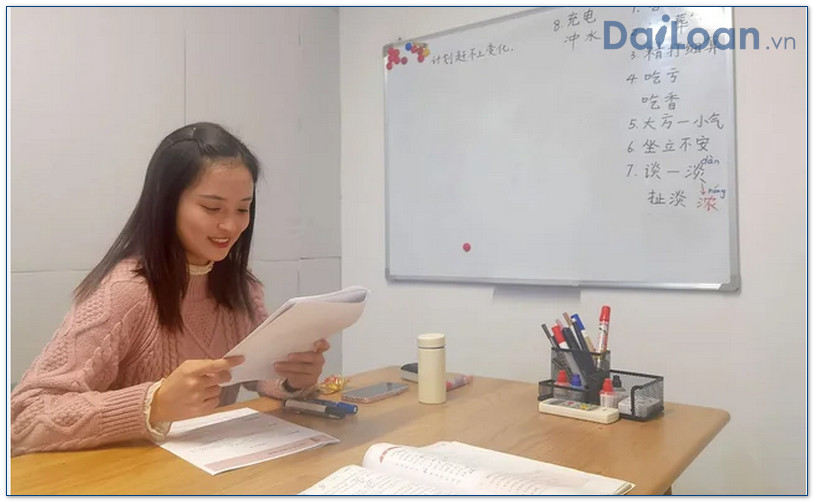
In the study of the Chinese language, understanding the term 對話 (duì huà) is essential for anyone looking to engage in meaningful conversations. This article will explore its meaning, grammatical structure, and provide illustrative examples of how it’s used in sentences.
The Meaning of 對話 (duì huà)
In Mandarin, 對話 (duì huà) translates to “dialogue” or “conversation” in English. It is a noun that signifies an exchange of ideas, thoughts, or information between two or more parties. This term is commonly used in various contexts, including literature, everyday conversations, and formal discussions.
Grammatical Structure of 對話 (duì huà)
To grasp the full usage of 對話, it is important to understand its grammatical structure:
1. Components
The term 對話 (duì huà) consists of two characters:
- 對 (duì): This character can mean “to face,” “to be correct,” or “to respond” depending on context.
- 話 (huà): This character translates to “speech” or “language.”

Together, these characters convey the idea of facing each other to communicate, which is the essence of dialogue.
2. Usage in Sentences
When used in sentences, 對話 maintains standard noun usage:
- Structure: Subject + Verb + 對話 + (Other Elements)
- Example: 他們在公園裡對話。 (Tāmen zài gōngyuán lǐ duì huà.) – They are having a dialogue in the park.
Example Sentences Using 對話 (duì huà)
Here are some example sentences using 對話 to illustrate its usage:
1. Everyday Conversations
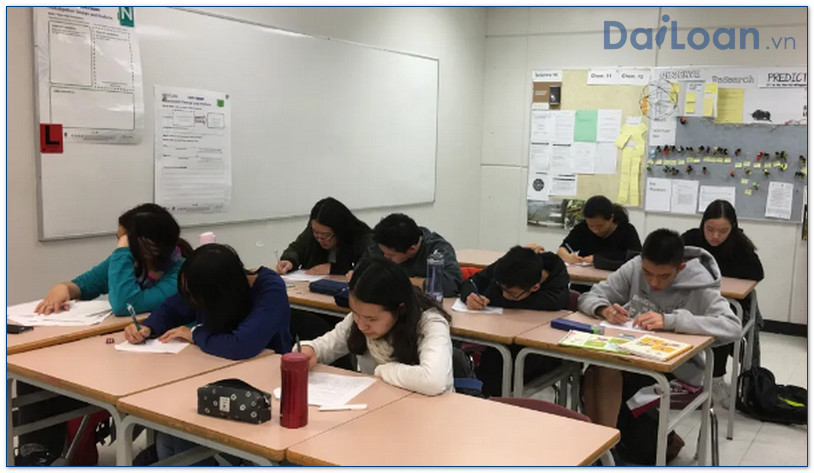
- 在教室裡,學生們和老師進行了一次有意義的對話。
(Zài jiàoshì lǐ, xuéshēngmen hé lǎoshī jìnxíngle yīcì yǒuyìyì de duìhuà.)
Translation: In the classroom, the students had a meaningful conversation with the teacher.
2. Formal Context
- 這次會議的主要目的是促進對話。
(Zhècì huìyì de zhǔyào mùdì shì cùjìn duìhuà.)
Translation: The main purpose of this meeting is to promote dialogue.
3. Literature and Media
- 這部電影中的對話十分生動。
(Zhè bù diànyǐng zhōng de duìhuà shífēn shēngdòng.)
Translation: The dialogue in this movie is very lively.
Conclusion

Understanding the meaning and structure of 對話 (duì huà) is crucial for anyone looking to improve their Mandarin skills and engage in conversations. Through its usage in various contexts, this term emphasizes the importance of communication in building relationships. Practice using 對話 in different sentences to enhance your fluency and comprehension in the Chinese language.


Sứ mệnh của Chuyên là giúp đỡ và truyền cảm hứng cho các bạn trẻ Việt Nam sang Đài Loan học tập, sinh sống và làm việc. Là cầu nối để lan tỏa giá trị tinh hoa nguồn nhân lực Việt Nam đến với Đài Loan và trên toàn cầu.
CÓ THỂ BẠN QUAN TÂM
Du học Đài Loan
Lao Động Đài Loan
Việc Làm Đài Loan
Đơn Hàng Đài Loan
Visa Đài Loan
Du Lịch Đài Loan
Tiếng Đài Loan
KẾT NỐI VỚI CHUYÊN
Zalo: https://zalo.me/0936126566
Website: www.dailoan.vn