


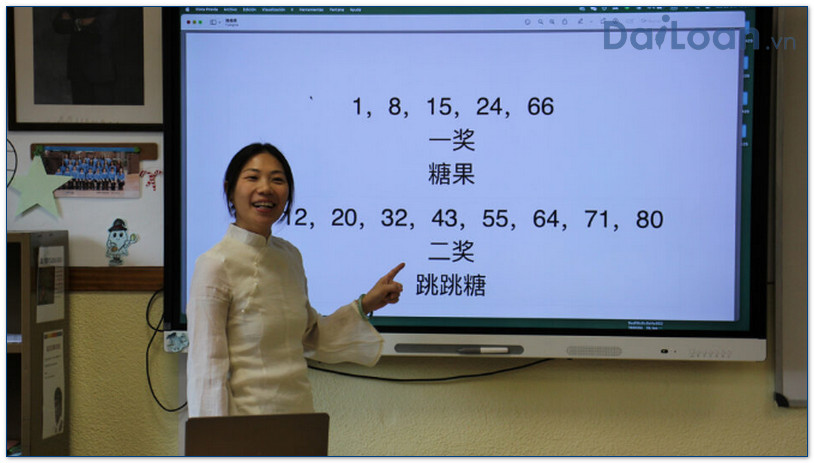
In this article, we will delve into the Chinese term 工讀 (gōng dú), exploring its meaning, grammatical structure, as well as providing a variety of example sentences to solidify your understanding.
What is 工讀 (gōng dú)?
The term 工讀 (gōng dú) literally translates to “work-study” in English. It generally refers to a program or arrangement where students engage in part-time work while pursuing their studies, allowing them to gain practical experience and financial support during their academic journey.
Grammatical Structure of 工讀
To understand the grammatical structure of 工讀 (gōng dú), we can break it down into its two constituent characters:
1. Character Breakdown
- 工 (gōng) – This character means “work” or “labor.” It is often associated with professions or activities that require effort or skill.
- 讀 (dú) – This character translates to “study” or “read.” It represents the act of acquiring knowledge or engaging in educational activities.
2. Combination Meaning
When combined, 工讀 (gōng dú) encapsulates the concept of balancing work and study, a prevalent practice among students in various educational systems, especially in China.
Example Sentences Using 工讀
To give you a better grasp of how 工讀 (gōng dú) is used in context, here are several example sentences:
1. Basic Sentence Structure
- 我正在进行工讀,为我的学费挣一些钱。
- (Wǒ zhèngzài jìnxíng gōng dú, wèi wǒ de xuéfèi zhēng yīxiē qián.)



2. More Complex Usage
- 许多大学生通过工讀获得宝贵的工作经验。
- (Xǔduō dàxuéshēng tōngguò gōng dú huòdé bǎoguì de gōngzuò jīngyàn.) – Many college students gain valuable work experience through work-study programs.
3. Negative Usage
- 他觉得工讀会影响学习,所以选择了全职工作。
- (Tā juédé gōng dú huì yǐngxiǎng xuéxí, suǒyǐ xuǎnzéle quánzhí gōngzuò.) – He feels that work-study will affect his studies, so he chose to work full-time instead.
Conclusion
In conclusion, the term 工讀 (gōng dú) is a significant aspect of the educational experience for many students in China. It not only encourages the balance of work and education but also provides essential skills and financial support to enhance their academic journey. Understanding its meaning and application will enrich your knowledge of the Chinese language and culture.


Sứ mệnh của Chuyên là giúp đỡ và truyền cảm hứng cho các bạn trẻ Việt Nam sang Đài Loan học tập, sinh sống và làm việc. Là cầu nối để lan tỏa giá trị tinh hoa nguồn nhân lực Việt Nam đến với Đài Loan và trên toàn cầu.
CÓ THỂ BẠN QUAN TÂM
Du học Đài Loan
Lao Động Đài Loan
Việc Làm Đài Loan
Đơn Hàng Đài Loan
Visa Đài Loan
Du Lịch Đài Loan
Tiếng Đài Loan
KẾT NỐI VỚI CHUYÊN
Zalo: https://zalo.me/0936126566
Website: www.dailoan.vn