



The term 巴掌 (bā zhǎng) is common in the Chinese language, and it plays a significant role in everyday conversation. This article will delve into its meaning, grammatical structure, and provide various example sentences to help illustrate its usage.
What Does 巴掌 (bā zhǎng) Mean?
In Chinese, 巴掌 primarily means “palm” or “hand.” It refers specifically to the inner surface of the hand that is used for various functions, ranging from holding objects to delivering slaps or claps. The term holds both literal and metaphorical connotations, often employed in expressions relating to both physical actions and emotional states.
Literal Meaning
Linguistically, 巴 (bā) can imply a kind of adhesion or closeness, while 掌 (zhǎng) signifies the palm or the act of controlling. Thus, 巴掌 conveys not just the physical aspect of the palm but also the significant role it plays in actions and control in various contexts.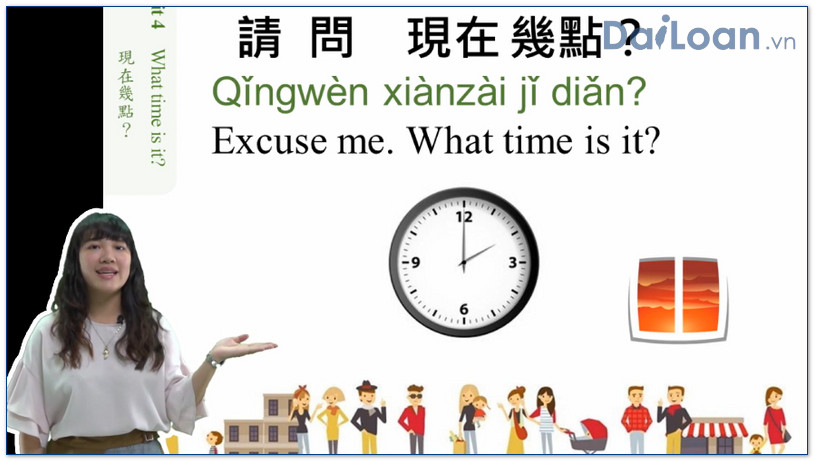

Metaphorical Use
Beyond its physical definition, 巴掌 is often used metaphorically to describe actions involving impact or effect. For instance, in idiomatic expressions, it may signify influence or control over situations or people.
Grammatical Structure of 巴掌
In terms of grammar, 巴掌 functions as a noun in the Chinese language. It can also be part of compound verbs or expressions depending on the context of the sentence.
Noun Usage
As a noun, 巴掌 can stand alone:
Example: 他的巴掌很大。
Compound Form
In combination with verbs, it can alter the meaning. For instance:
Example: 

Example Sentences Using 巴掌
Understanding how to incorporate 巴掌 into communication is essential for fluency. Here are some illustrative examples:
Everyday Contexts
- 他用巴掌击打桌子。 (Tā yòng bā zhǎng jī dǎ zhuō zi.) – “He hit the table with his palm.”
- 小孩兴奋地拍了拍巴掌。 (Xiǎo hái xīng fèn de pāi le pāi bā zhǎng.) – “The child excitedly clapped his hands.”
Idiomatic Expressions
- 这件事我管不了,我无能为力,连巴掌都没有用。 (Zhè jiàn shì wǒ guǎn bù liǎo, wǒ wú néng wéi lì, lián bā zhǎng dōu méi yǒu yòng.) – “I can’t manage this matter; I’m powerless; even a slap doesn’t help.”
- 她的巴掌挥得很快。 (Tā de bā zhǎng huī dé hěn kuài.) – “Her palm swished quickly.”
Conclusion
In summary, 巴掌 (bā zhǎng) is a multifaceted term in Chinese, representing both a physical part of the body and a variety of actions and meanings in different contexts. By understanding its significance and grammatical structure, learners can effectively incorporate it into their vocabulary and enhance their communication skills in Chinese.


Sứ mệnh của Chuyên là giúp đỡ và truyền cảm hứng cho các bạn trẻ Việt Nam sang Đài Loan học tập, sinh sống và làm việc. Là cầu nối để lan tỏa giá trị tinh hoa nguồn nhân lực Việt Nam đến với Đài Loan và trên toàn cầu.
CÓ THỂ BẠN QUAN TÂM
Du học Đài Loan
Lao Động Đài Loan
Việc Làm Đài Loan
Đơn Hàng Đài Loan
Visa Đài Loan
Du Lịch Đài Loan
Tiếng Đài Loan
KẾT NỐI VỚI CHUYÊN
Zalo: https://zalo.me/0936126566
Website: www.dailoan.vn