


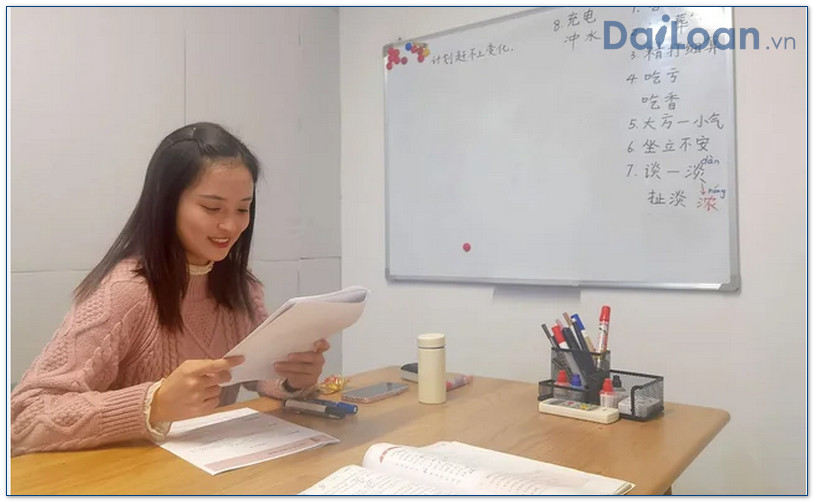
In the vast landscape of the Chinese language, certain characters encapsulate deep emotions and complex states of being. One such character is 悶 (mèn), which carries significant weight in both spoken and written Chinese. In this article, we will delve into the meaning of 悶 (mèn), explore its grammatical structure, and provide illustrative examples to enhance your understanding and usage of this intriguing term.
What Does 悶 (mèn) Mean?
The character 悶 (mèn) primarily denotes feelings of depression, frustration, or suffocation. It can refer to both physical sensations, such as being in a stuffy or cramped space, and emotional states, such as feeling trapped or gloomy. In colloquial usage, it often reflects a sense of stagnation or inactivity that leads to discomfort or distress.
Emotional and Physical Contexts
悶 (mèn) is commonly used to express emotional states. For instance, when someone feels unable to express themselves or when they experience a blockage in their emotional or mental state, they may describe themselves as 悶. On the physical side, it can indicate discomfort experienced in environments that are excessively hot and humid or when there’s not enough fresh air, leading to feelings of suffocation.
Grammatical Structure of 悶 (mèn)
From a grammatical perspective, 悶 (mèn) can function as both a verb and an adjective in Chinese. This dual functionality allows for versatile usage in sentences, adapting to different contexts and meanings.
As a Verb
When used as a verb, 悶 (mèn) describes the action of causing oneself or another to feel trapped, stifled, or confined. The structure typically follows this pattern: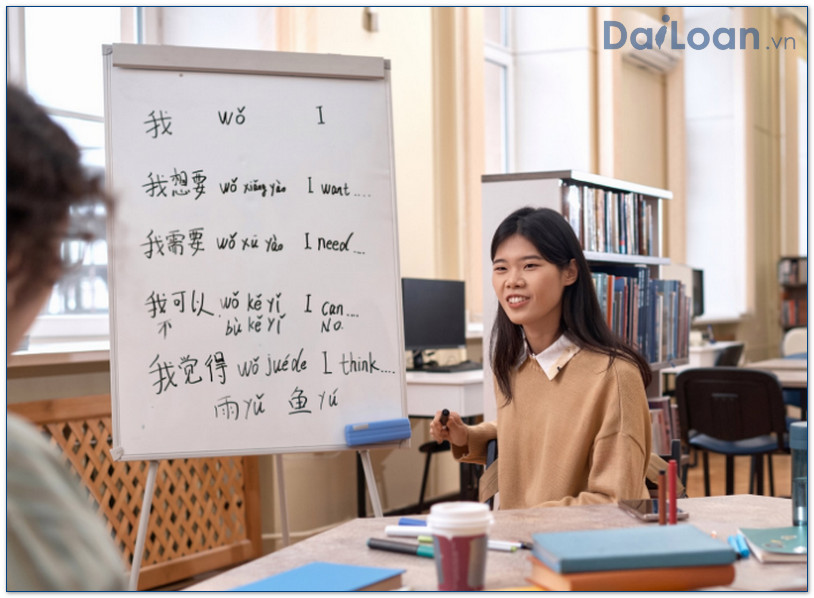

- Subject + 悶 (mèn) + Object
As an Adjective
As an adjective, 悶 (mèn) describes a state of being rather than an action. In this case, it is often employed before a noun or in descriptive phrases. The structure typically resembles the following:
- Subject + 是/很 (shì/hěn) + 悶 (mèn)
Example Sentences Using 悶 (mèn)
Now, let’s look at some example sentences to illustrate how 悶 (mèn) can be used in various contexts.
Example Sentences as a Verb
- 我在这个封闭的房间里感到很悶。
(Wǒ zài zhège fēngbì de fángjiān lǐ gǎndào hěn mèn.)
Translation: I feel very stifled in this enclosed room. - 她不喜欢悶着自己,所以常常去参加聚会。
(Tā bù xǐhuān mèn zhe zìjǐ, suǒyǐ chángcháng qù cānjiā jùhuì.)
Translation: She doesn’t like to feel trapped, so she often goes to parties.
Example Sentences as an Adjective
- 今天的天气真悶,人都没有精神。
(Jīntiān de tiānqì zhēn mèn, rén dōu méiyǒu jīngshén.)
Translation: The weather today is really stuffy; nobody has any energy. - 他的心情一直很悶,可能是因为工作压力大。
(Tā de xīnqíng yīzhí hěn mèn, kěnéng shì yīnwèi gōngzuò yālì dà.)
Translation: He has been feeling very down, perhaps because of the heavy work pressure.
Conclusion
Understanding the nuances of the character 悶 (mèn) broadens our appreciation of the emotional and physical intricacies expressed in the Chinese language. Whether you experience it yourself or observe it in others, 悶 embodies crucial aspects of the human experience. By grasping its meaning, grammatical structure, and practical application, you enhance your language skills and cultural understanding. Keep practicing and exploring more characters to unlock the rich tapestry of the Chinese language!



Sứ mệnh của Chuyên là giúp đỡ và truyền cảm hứng cho các bạn trẻ Việt Nam sang Đài Loan học tập, sinh sống và làm việc. Là cầu nối để lan tỏa giá trị tinh hoa nguồn nhân lực Việt Nam đến với Đài Loan và trên toàn cầu.
CÓ THỂ BẠN QUAN TÂM
Du học Đài Loan
Lao Động Đài Loan
Việc Làm Đài Loan
Đơn Hàng Đài Loan
Visa Đài Loan
Du Lịch Đài Loan
Tiếng Đài Loan
KẾT NỐI VỚI CHUYÊN
Zalo: https://zalo.me/0936126566
Website: www.dailoan.vn