


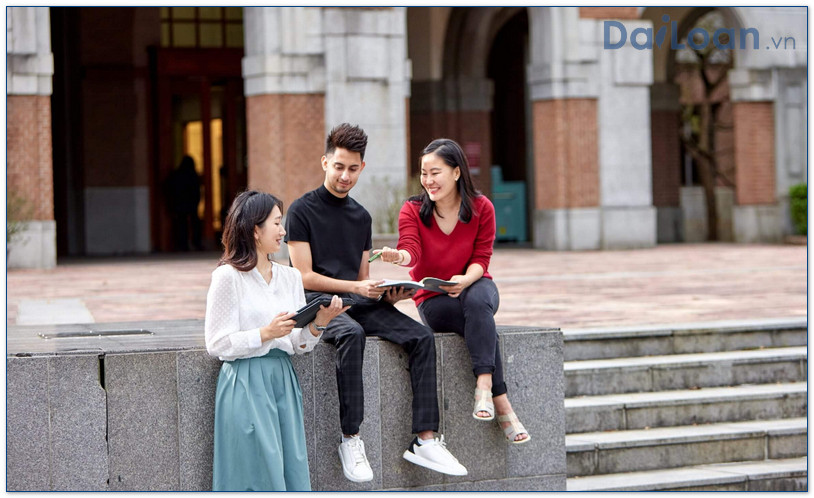
In this article, we will delve into the Chinese phrase 感動 (gǎn dòng), exploring its rich meaning, grammatical structure, and its usage in everyday language through various example sentences. Discover how this term encapsulates powerful human emotions and its importance in Chinese culture.
Meaning of 感動 (gǎn dòng)
感動 (gǎn dòng) translates to “to be moved” or “to be touched” in English. It is often used to describe a deep emotional response to something that resonates on a personal level, such as a heartfelt story, an act of kindness, or a profound experience. The character 感 (gǎn)

Grammatical Structure of 感動 (gǎn dòng)
In terms of grammatical structure, 感動 (gǎn dòng) functions as a verb in sentences. It can also appear in various forms such as a noun or an adjective depending on the context. Below, we break down the components:
1. The Verb Form
As a verb, it is often used with an object to specify what is causing the emotional response.
- Example: 我被這部電影感動了 (Wǒ bèi zhè bù diànyǐng gǎn dòng le) – “I was moved by this movie.”
2. The Noun Form
When used as a noun, it often denotes the feeling itself.
- Example: 他的故事讓我有很深的感動 (Tā de gùshì ràng wǒ yǒu hěn shēn de gǎn dòng) – “His story gives me a deep sense of being touched.”
3. The Adjective Form
It can also serve as an adjective when describing something that invokes emotional reactions.
- Example: 那場婚禮真感動 (Nà chǎng hūnlǐ zhēn gǎn dòng) – “That wedding was truly moving.”
Example Sentences Using 感動 (gǎn dòng)
Now let’s explore some example sentences that showcase the versatility and emotional depth of 感動 (gǎn dòng) in different contexts:
Emotional Experiences
- 在電影的結尾,我感動得流下了淚水 (Zài diànyǐng de jiéwěi, wǒ gǎn dòng de liú xià le lèishuǐ) – “At the end of the movie, I was so moved that tears flowed down my cheeks.”
- 這首歌讓我感動了很久 (Zhè shǒu gē ràng wǒ gǎn dòng le hěn jiǔ) – “This song moved me for a long time.”
Acts of Kindness
- 她的善行真的讓我感動 (Tā de shàn xíng zhēn de ràng wǒ gǎn dòng) – “Her kindness truly moved me.”
- 看到他這麼努力,我不禁感到感動 (Kàn dào tā zhème nǔlì, wǒ bù jìn gǎn dào gǎn dòng) – “Seeing him work so hard, I couldn’t help but feel moved.”
Literature and Art
- 這部小說的情節讓人感動 (Zhè bù xiǎoshuō de qíngjié ràng rén gǎn dòng) – “The plot of this novel is moving.”
- 看這幅畫讓我感到深深的感動 (Kàn zhè fú huà ràng wǒ gǎn dào shēn shēn de gǎn dòng) – “Looking at this painting gives me a deep sense of being touched.”
Conclusion

In summary, 感動 (gǎn dòng) is a powerful term in the Chinese language that encapsulates the vast spectrum of human emotions. Its grammatical versatility allows it to be employed in various contexts, making it an essential part of expressing feelings in Mandarin. As you continue your journey in learning Chinese, incorporating phrases like 感動 will enrich your linguistic and cultural understanding, enabling deeper connections with the language.


Sứ mệnh của Chuyên là giúp đỡ và truyền cảm hứng cho các bạn trẻ Việt Nam sang Đài Loan học tập, sinh sống và làm việc. Là cầu nối để lan tỏa giá trị tinh hoa nguồn nhân lực Việt Nam đến với Đài Loan và trên toàn cầu.
CÓ THỂ BẠN QUAN TÂM
Du học Đài Loan
Lao Động Đài Loan
Việc Làm Đài Loan
Đơn Hàng Đài Loan
Visa Đài Loan
Du Lịch Đài Loan
Tiếng Đài Loan
KẾT NỐI VỚI CHUYÊN
Zalo: https://zalo.me/0936126566
Website: www.dailoan.vn