


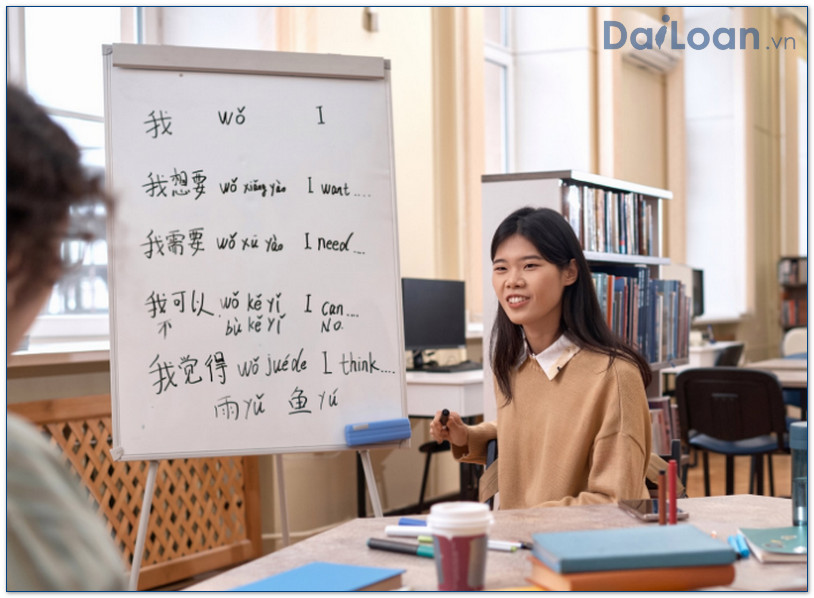
Introduction to 戀情 (liàn qíng)
The Chinese term 戀情 (liàn qíng) translates to “romantic relationship” or “love affair” in English. This phrase encapsulates the essence of emotional bonds, highlighting both the affection and the complexities that come with romantic interactions. Understanding this term is essential for anyone looking to delve deeper into the intricacies of relationships in Chinese culture.

The Grammatical Structure of 戀情
In Mandarin, 戀情 is comprised of two characters:
- 戀 (liàn): This character means “to love” or “to be in love.” It conveys a strong emotional attachment and is commonly used in various contexts related to romantic feelings.
- 情 (qíng): This character translates to “feeling,” “emotion,” or “sentiment.” In conjunction with 戀, it emphasizes the emotional aspect of love.
Together, 戀情 highlights not only the physical aspect of a romantic relationship but also the emotional depth associated with it. The two characters combine to form a noun which can be used in discussions about relationships, emotional challenges, and cultural perspectives on love.

Grammatical Usage
In sentences, 戀情 is often used as a noun and can be modified by adjectives or used in various grammatical structures. Here’s a look at its usage patterns:
- As a subject: 戀情 是我生活中的一部分。(Liàn qíng shì wǒ shēnghuó zhōng de yī bùfen.) – “Romantic relationships are a part of my life.”
- As an object: 我希望能找到真正的 戀情。(Wǒ xīwàng néng zhǎodào zhēnzhèng de liàn qíng.) – “I hope to find a true romantic relationship.”
Example Sentences Using 戀情
Here are several example sentences that demonstrate the use of 戀情 in different contexts:
1. Expressing Feelings
我們的 戀情 經歷了很多挑戰。(Wǒmen de liàn qíng jīnglìle hěn duō tiǎozhàn.) – “Our romantic relationship has gone through many challenges.”
2. Questioning Relationships
你怎麼看待年輕人的 戀情? (Nǐ zěnme kàn dài niánqīngrén de liàn qíng?) – “What do you think about young people’s romantic relationships?”
3. Cultural Perspectives
在中國文化中,戀情 被視為生活的重要部分。(Zài Zhōngguó wénhuà zhōng, liàn qíng bèi shì wéi shēnghuó de zhòngyào bùfen.) – “In Chinese culture, romantic relationships are seen as an important part of life.”
4. Describing a Specific Relationship
他們的 戀情 非常甜蜜。(Tāmen de liàn qíng fēicháng tiánmì.) – “Their romantic relationship is very sweet.”
5. Discussing Breakups
失去一段 戀情 常常讓人心碎。(Shīqù yīduàn liàn qíng chángcháng ràng rén xīnsuì.) – “Losing a romantic relationship often breaks one’s heart.”
Conclusion
Understanding the term 戀情 (liàn qíng) is pivotal for anyone aiming to grasp deeper meanings in the Chinese language regarding love and relationships. Its grammatical flexibility allows for varied expressions of emotions and situations surrounding romantic interactions. Through the provided example sentences and breakdown of its structure, learners can enrich their vocabulary and gain a deeper insight into cultural views on love.


Sứ mệnh của Chuyên là giúp đỡ và truyền cảm hứng cho các bạn trẻ Việt Nam sang Đài Loan học tập, sinh sống và làm việc. Là cầu nối để lan tỏa giá trị tinh hoa nguồn nhân lực Việt Nam đến với Đài Loan và trên toàn cầu.
CÓ THỂ BẠN QUAN TÂM
Du học Đài Loan
Lao Động Đài Loan
Việc Làm Đài Loan
Đơn Hàng Đài Loan
Visa Đài Loan
Du Lịch Đài Loan
Tiếng Đài Loan
KẾT NỐI VỚI CHUYÊN
Zalo: https://zalo.me/0936126566
Website: www.dailoan.vn