


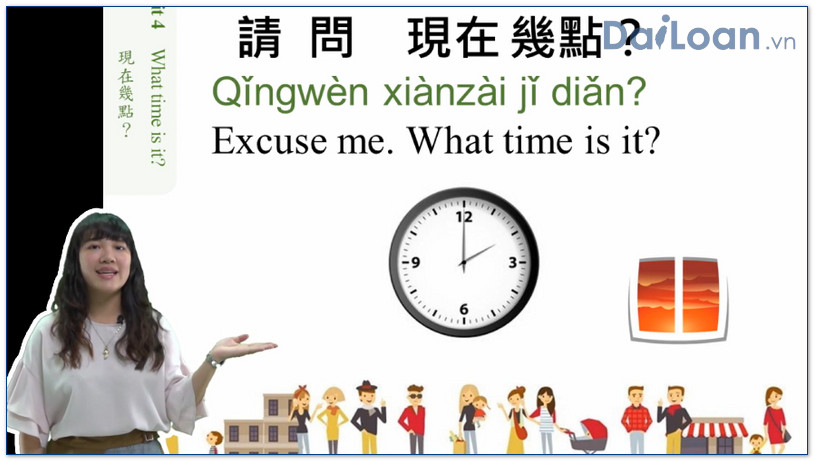
What is 或是 (huòshì)?
In Mandarin Chinese, the term 或是 (huòshì) is commonly used to mean “or” in English. It serves as a conjunction that connects alternatives or options in a sentence. Understanding how to properly use 或是 can enrich your conversation skills in Mandarin and help you convey choices effectively.
Meaning of 或是
The phrase 或是 consists of two characters: 或 (huò) means “or,” and 是 (shì) acts as a form of “to be.” When combined, 或是 (huòshì) is primarily used to provide two or more alternatives or to clarify options. This makes it an essential word for expressing choices in everyday conversations.
Grammatical Structure of 或是
Understanding the grammatical structure of 或是 is crucial for non-native speakers. It generally appears between two clauses and is often used in complex sentences. Here’s how it’s structured:
Basic Structure
The typical construction involving 或是 is as follows:
Clause 1 + 或是 (huòshì) + Clause 2
In this structure, Clause 1 introduces the first option, while Clause 2 introduces the alternative being offered. This format can be expanded with more options by repeating 或是.
Examples of Grammatical Use
Consider the following examples to understand the grammatical application better:
- 你要茶或是咖啡? (Nǐ yào chá huòshì kāfēi?) – Do you want tea or coffee?
- 他想去电影院,或是去公园。 (Tā xiǎng qù diànyǐngyuàn, huòshì qù gōngyuán.) – He wants to go to the cinema, or to the park.
- 我可以给你这本书,或是借你我的。 (Wǒ kěyǐ gěi nǐ zhè běn shū, huòshì jiè nǐ wǒ de.) – I can give you this book, or lend you mine.
Example Sentences Using 或是 (huòshì)
To further illustrate the use of 或是, here are a few more example sentences across different contexts:
Everyday Conversations
- 你喜欢猫,或是狗? (Nǐ xǐhuān māo, huòshì gǒu?) – Do you like cats or dogs?
- 我们可以吃中餐,或是意大利餐。 (Wǒmen kěyǐ chī zhōngcān, huòshì yìdàlìcān.) – We can have Chinese food, or Italian food.
In Making Decisions

- 你打算选择这份工作,或是继续学习? (Nǐ dǎsuàn xuǎnzé zhè fèn gōngzuò, huòshì jìxù xuéxí?) – Are you planning to choose this job, or continue studying?
- 这条裙子很好看,或是那件衬衫? (Zhè tiáo qúnzi hěn hǎokàn, huòshì nà jiàn chènshān?) – Is this dress nice, or that shirt?
In Academic Contexts

- 研究表明,睡眠不足会影响健康,或是导致其他问题。 (Yánjiū biǎomíng, shuìmián bùzú huì yǐngxiǎng jiànkāng, huòshì dǎozhì qítā wèntí.) – Research shows that lack of sleep can affect health or lead to other problems.
- 这个问题可能有多个解答,或是需要更深入的分析。 (Zhège wèntí kěnéng yǒu duō gè jiědá, huòshì xūyào gèng shēnrù de fēnxī.) – This question may have multiple answers, or require more in-depth analysis.
Conclusion
In summary, 或是 (huòshì) is a versatile conjunction in the Chinese language used to present alternatives and options effectively. By mastering its meaning and grammatical structure, you can enhance your fluency in Mandarin and improve your conversational skills. Practice using 或是 in various contexts to become more comfortable with expressing choices in Chinese. With consistent use, this conjunction can become a staple in your language repertoire.


Sứ mệnh của Chuyên là giúp đỡ và truyền cảm hứng cho các bạn trẻ Việt Nam sang Đài Loan học tập, sinh sống và làm việc. Là cầu nối để lan tỏa giá trị tinh hoa nguồn nhân lực Việt Nam đến với Đài Loan và trên toàn cầu.
CÓ THỂ BẠN QUAN TÂM
Du học Đài Loan
Lao Động Đài Loan
Việc Làm Đài Loan
Đơn Hàng Đài Loan
Visa Đài Loan
Du Lịch Đài Loan
Tiếng Đài Loan
KẾT NỐI VỚI CHUYÊN
Zalo: https://zalo.me/0936126566
Website: www.dailoan.vn