



In the realm of the Chinese language, certain terms encapsulate broader cultural and social concepts. One such term is 打工 (dǎgōng). This article delves into the meaning, grammatical structure, and practical examples of 打工, enriching your vocabulary and understanding of Chinese working culture.
What Does 打工 (dǎgōng) Mean?
打工 (dǎgōng) primarily translates to “to work” or “to do a part-time job,” often implying a job that is physically demanding or less formal. It is commonly used among students or individuals seeking temporary employment.
Breaking Down the Term
- 打 (dǎ): This character generally means “to hit” or “to strike.” However, in this context, it contributes to the meaning of the entire phrase rather than providing a standalone definition.
- 工 (gōng): This character means “work” or “labor.” When combined with 打, it conveys the act of engaging in physical work.

Grammatical Structure of 打工
The term 打工 is a verb phrase that encapsulates a complete action. Below is an analysis of its grammatical structure:
Verb Form
打工 functions as a verb, indicating an action. It can be conjugated depending on the tense and context of use. In sentences, it usually appears within the subject-verb-object (SVO) structure common in Mandarin Chinese.
Usage in Sentences
打工 can be modified with adverbs, nouns, and other grammatical elements to provide more context. For example:
- 他每周打工。 (Tā měi zhōu dǎgōng.) – “He works part-time every week.”
- 我在餐馆打工。 (Wǒ zài cānguǎn dǎgōng.) – “I work at a restaurant.”
Example Sentences Using 打工
To gain a deeper understanding of 打工, let’s explore various examples in different contexts:
Context 1: Student Life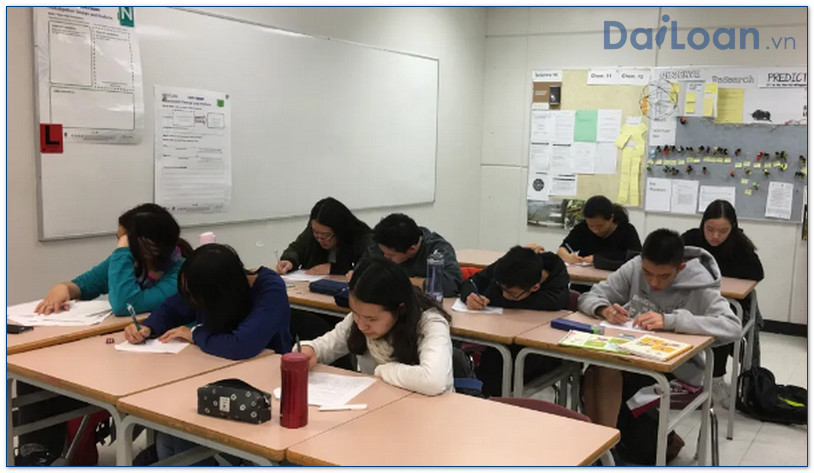

- 大学生通常打工来支付学费。 (Dàxuéshēng tōngcháng dǎgōng lái zhīfù xuéfèi.) – “University students usually work part-time to pay for tuition.”
- 她在书店打工来累积经验。 (Tā zài shūdiàn dǎgōng lái lèijī jīngyàn.) – “She works part-time at a bookstore to gain experience.”
Context 2: Work Culture
- 许多年轻人选择在假期打工。 (Xǔduō niánqīngrén xuǎnzé zài jiàqī dǎgōng.) – “Many young people choose to work during the holidays.”
- 他在工厂打工,每天都很忙。 (Tā zài gōngchǎng dǎgōng, měitiān dū hěn máng.) – “He works at a factory and is busy every day.”
Context 3: Economic Independence
- 为了经济独立,她努力打工。 (Wèile jīngjì dúlì, tā nǔlì dǎgōng.) – “To achieve financial independence, she works hard.”
- 打工可以帮助年轻人管理自己的财务。 (Dǎgōng kěyǐ bāngzhù niánqīngrén guǎnlǐ zìjǐ de cáiwù.) – “Working part-time can help young people manage their finances.”
Conclusion
In conclusion, the term 打工 (dǎgōng) extends beyond mere vocabulary; it reflects a vital aspect of contemporary Chinese culture concerning work and economic responsibility. Whether used by students or young professionals, understanding and using 打工 appropriately can enhance your fluency and comprehension of the Chinese language.
As you reflect on this information, consider how 打工 fits into your own language practice and cultural understanding. Start incorporating this term into your vocabulary today!


Sứ mệnh của Chuyên là giúp đỡ và truyền cảm hứng cho các bạn trẻ Việt Nam sang Đài Loan học tập, sinh sống và làm việc. Là cầu nối để lan tỏa giá trị tinh hoa nguồn nhân lực Việt Nam đến với Đài Loan và trên toàn cầu.
CÓ THỂ BẠN QUAN TÂM
Du học Đài Loan
Lao Động Đài Loan
Việc Làm Đài Loan
Đơn Hàng Đài Loan
Visa Đài Loan
Du Lịch Đài Loan
Tiếng Đài Loan
KẾT NỐI VỚI CHUYÊN
Zalo: https://zalo.me/0936126566
Website: www.dailoan.vn