



What does 扮演 (bàn yǎn) Mean?
扮演 (bàn yǎn) is a Chinese verb that translates to “to play a role” or “to act.” It is commonly used in contexts related to theater, film, and daily life when someone is taking on a role or character. This term combines two characters: 扮, which means “to dress up” or “to disguise,” and 演, which means “to perform” or “to act.” Together, they convey the action of portraying or representing someone or something.
Grammatical Structure of 扮演
In Chinese grammar, 扮演 functions as a verb and can be utilized in various sentence structures. Here are some key elements of its grammatical structure:
1. Subject + 扮演 + Role/Character
This is the simplest form to express who is playing what role. For example:
- 他扮演了一个英雄的角色。
- (Tā bàn yǎn le yí gè yīngxióng de juésè.)
- He played the role of a hero.
2. 扮演 + Role + 的 + Subject
This structure can also emphasize the role more by putting it in the spotlight:
- 扮演英雄的他赢得了观众的喜爱。
- (Bàn yǎn yīngxióng de tā yíngdé le guānzhòng de xǐ’ài.)
- He, who played the hero, won the audience’s favor.
3. 扮演 + [Expression of Context]
This structure allows the speaker to define the context in which the role is being played:
- 在这部电影中,他扮演了反派角色。
- (Zài zhè bù diànyǐng zhōng, tā bàn yǎn le fǎnpài juésè.)
- In this movie, he played the role of the villain.
Example Sentences Using 扮演
Now that we understand the meaning and the grammatical structure, let’s look at some more example sentences that use 扮演 in various contexts:
1. In Theater
- 她在舞台上扮演了玛丽的一生。
- (Tā zài wǔtái shàng bàn yǎn le Mǎlì de yìshēng.)
- She portrayed the life of Mary on stage.
2. In Daily Life
- 在家庭聚会上,孩子们喜欢扮演父母。
- (Zài jiātíng jùhuì shàng, háizimen xǐhuān bàn yǎn fùmǔ.)
- At family gatherings, the children enjoy playing the roles of their parents.
3. In Film
- 这位演员在新剧中扮演了一个复杂的角色。
- (Zhè wèi yǎnyuán zài xīn jù zhōng bàn yǎn le yí gè fùzá de juésè.)
- This actor played a complex character in the new drama.
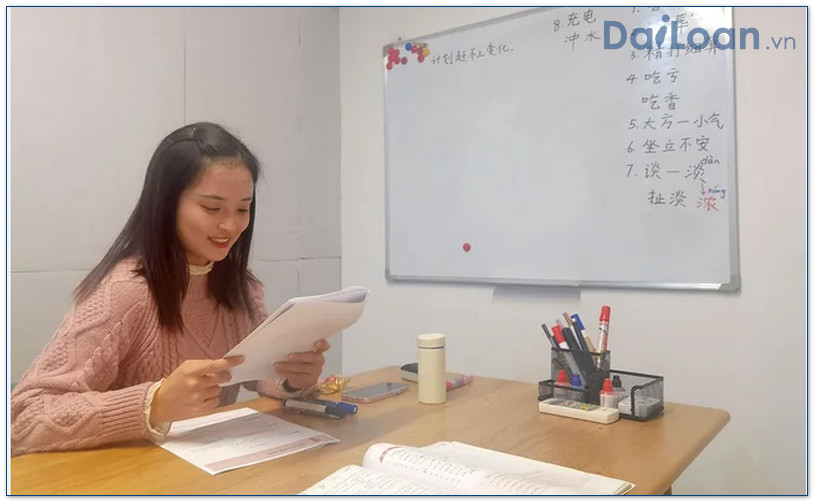
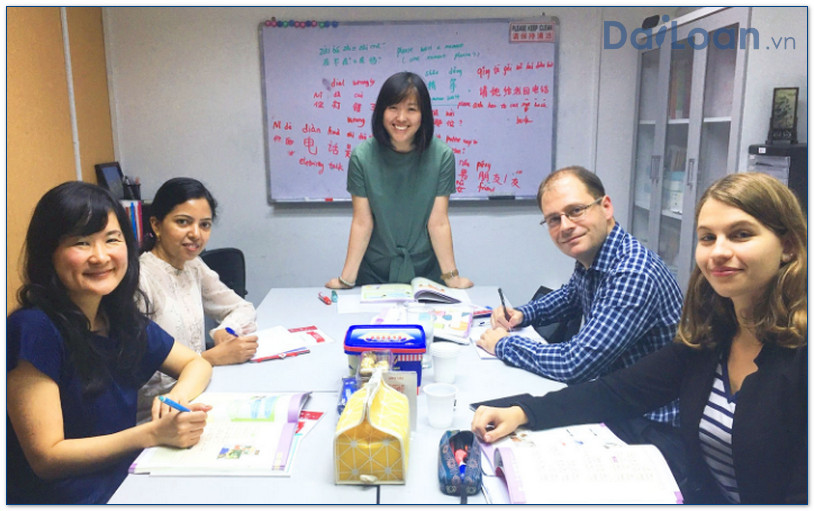
4. In Education
- 老师让学生们在课堂上扮演历史人物。
- (Lǎoshī ràng xuéshēngmen zài kètáng shàng bàn yǎn lìshǐ rénwù.)
- The teacher asked the students to portray historical figures in class.

5. In Social Contexts
- 在这个聚会上,我扮演了调解人的角色。
- (Zài zhège jùhuì shàng, wǒ bàn yǎn le tiáojiě rén de juésè.)
- At this party, I played the role of the mediator.
Conclusion
In summary, 扮演 (bàn yǎn) is a versatile verb in the Chinese language that denotes the action of playing a role or performing. Its grammatical structure allows it to be adapted into various contexts, making it useful in everyday conversation, theater, film, and education. With the examples provided, learners of Chinese can better appreciate how to incorporate 扮演 into their vocabulary effectively.


Sứ mệnh của Chuyên là giúp đỡ và truyền cảm hứng cho các bạn trẻ Việt Nam sang Đài Loan học tập, sinh sống và làm việc. Là cầu nối để lan tỏa giá trị tinh hoa nguồn nhân lực Việt Nam đến với Đài Loan và trên toàn cầu.
CÓ THỂ BẠN QUAN TÂM
Du học Đài Loan
Lao Động Đài Loan
Việc Làm Đài Loan
Đơn Hàng Đài Loan
Visa Đài Loan
Du Lịch Đài Loan
Tiếng Đài Loan
KẾT NỐI VỚI CHUYÊN
Zalo: https://zalo.me/0936126566
Website: www.dailoan.vn