


The Meaning of 把 (bǎ)
The Chinese character 把 (bǎ) is a crucial word in the Chinese language, serving multiple functions. Primarily, it is used as a preposition and a verb, commonly expressing the action of “holding,” “grasping,” or “taking.” In many contexts, 把 transforms sentences by repositioning the object and emphasizing the action taken toward it. This unique aspect makes it essential for expressing specific actions clearly and concisely.
Grammatical Structure of 把
The structure involving 把 has a distinctive form that sets it apart from other grammatical constructions. The typical sentence structure using 把 is as follows:
Basic Structure
Subject + 把 + Object + Verb + (Complement)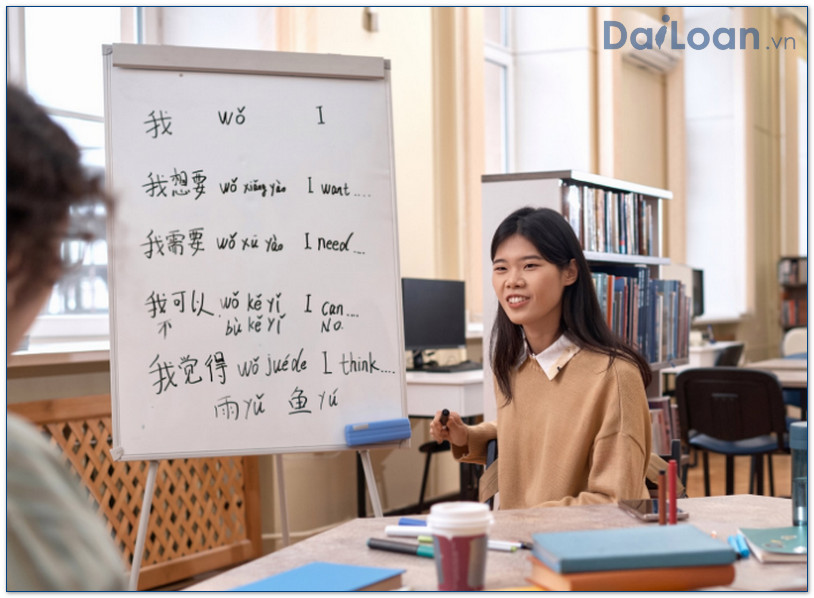

In this structure, the object is affected by the verb, and the sentence often implies an action performed on the object. This format emphasizes the impact of the action on the object.
Example Breakdown
Let’s analyze a simple sentence:
她把书给了我。 (Tā bǎ shū gěi le wǒ.)
- 她 (Tā) – Subject: She
- 把 (bǎ) – Preposition
- 书 (shū) – Object: Book
- 给了 (gěi le) – Verb: Gave
- 我 (wǒ) – Complement: Me
The sentence translates to “She gave the book to me,” demonstrating how 把 restructures the typical subject-verb-object order.
Example Sentences Using 把
To further illustrate the use of 把, here are several example sentences:
1. 把 … 放在 … (bǎ … fàng zài …)
Example: 他把书放在桌子上。 (Tā bǎ shū fàng zài zhuōzi shàng.)
Translation: He placed the book on the table.
2. 把 … 显示给 … (bǎ … xiǎnshì gěi …)
Example: 我把我的成绩单显示给了老师。 (Wǒ bǎ wǒ de chéngjì dān xiǎnshì gěi le lǎoshī.)
Translation: I showed my report card to the teacher.
3. 把 … 吃掉 (bǎ … chī diào)
Example: 她把所有的蛋糕吃掉了。 (Tā bǎ suǒyǒu de dàngāo chī diào le.)

Translation: She ate all the cake.
4. 把 … 解决 (bǎ … jiějué)
Example: 我们把这个问题解决了。 (Wǒmen bǎ zhège wèntí jiějué le.)
Translation: We solved this problem.
Conclusion
The character 把 (bǎ) is an essential element of Mandarin Chinese, known for its unique grammatical structure and versatile applications. Understanding its usage can significantly enhance your language skills, allowing you to form complex and nuanced sentences. As you practice, pay attention to the way 把 reshapes the typical sentence structure and how it emphasizes the action taken on the object.
By incorporating 把 into your vocabulary, you not only improve your fluency but also gain insight into the intricacies of the Chinese language. Whether you’re a beginner or an advanced learner, mastering 把 is key to effective communication in Mandarin.


Sứ mệnh của Chuyên là giúp đỡ và truyền cảm hứng cho các bạn trẻ Việt Nam sang Đài Loan học tập, sinh sống và làm việc. Là cầu nối để lan tỏa giá trị tinh hoa nguồn nhân lực Việt Nam đến với Đài Loan và trên toàn cầu.
CÓ THỂ BẠN QUAN TÂM
Du học Đài Loan
Lao Động Đài Loan
Việc Làm Đài Loan
Đơn Hàng Đài Loan
Visa Đài Loan
Du Lịch Đài Loan
Tiếng Đài Loan
KẾT NỐI VỚI CHUYÊN
Zalo: https://zalo.me/0936126566
Website: www.dailoan.vn