



In the journey to master the Chinese language, understanding verbs is crucial, and one such verb that often arises is 摸 (mō). This article is designed to explore the rich meaning of 摸, its grammatical structure, and provide you with a variety of example sentences, helping you gain a comprehensive understanding of how to use this versatile verb in everyday conversation.
What Does 摸 (mō) Mean?
At its core, the verb 摸 (mō) translates to “to touch” or “to feel.” It implies a tactile interaction, typically using the hands. However, 摸 can also be used in broader contexts such as “to explore” or “to investigate” in a metaphorical sense. Understanding the nuances of its meaning is essential for proper usage.
Common Contexts for 摸 (mō)
- Physical Touch:
- Exploratory Actions: Used when discussing investigations or searches, both physical and metaphorical.
- Figurative Uses: Can be applied to describe emotional or intellectual probing.

Grammatical Structure of 摸 (mō)
Understanding the grammatical structure of 摸 (mō) is vital for its correct application in sentences. 摸 is a verb, and it usually follows the subject in a typical Chinese sentence structure.
Sentence Patterns Involving 摸 (mō)
The basic sentence structure is as follows:
Subject + 摸 (mō) + Object
Here are some variations:
- Adding adverbs to express manner or frequency: repeated actions or how to touch.
- Using complements to describe the outcome of the action.
Example Sentences Using 摸 (mō)
Now, let’s look at several example sentences to illustrate the usage of 摸.
Physical Touch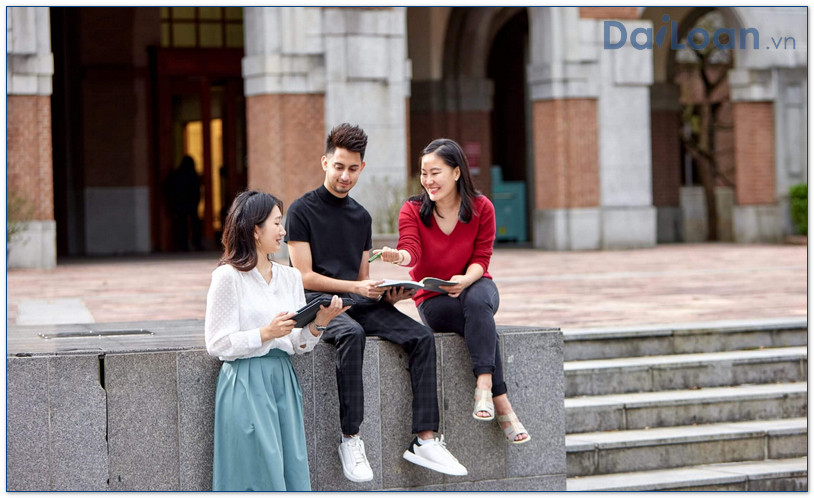

- 这只猫很温暖,我想摸摸它。
(Zhè zhī māo hěn wēnnuǎn, wǒ xiǎng mōmō tā.)
Translation: This cat is very warm; I want to touch it. - 她摸了摸桌子,看看有没有灰尘。
(Tā mōle mō zhuōzi, kànkàn yǒu méiyǒu huīchén.)
Translation: She touched the table to see if there was any dust.
Exploratory Actions
- 他想摸清事情的真相。
(Tā xiǎng mō qīng shìqíng de zhēnxiàng.)
Translation: He wants to get to the bottom of the matter.
- 在调查过程中,警方需要摸索更多线索。
(Zài diàochá guòchéng zhōng, jǐngfāng xūyào mōsuǒ gèng duō xiànsuǒ.)
Translation: During the investigation, the police need to explore more clues.

Figurative Uses
- 他在摸索自己的人生方向。
(Tā zài mōsuǒ zìjǐ de rénshēng fāngxiàng.)
Translation: He is exploring the direction of his life. - 我在摸索解决问题的方法。
(Wǒ zài mōsuǒ jiějué wèntí de fāngfǎ.)
Translation: I am probing for a solution to the problem.
Conclusion
Mastering the usage of 摸 (mō) can significantly enhance your ability to communicate in Chinese. Whether discussing physical touch or engaging in figurative exploration, understanding its meaning and grammatical structure enables you to utilize this verb effectively. Continue practicing with the example sentences provided, and soon you will be able to incorporate 摸 naturally into your conversations.


Sứ mệnh của Chuyên là giúp đỡ và truyền cảm hứng cho các bạn trẻ Việt Nam sang Đài Loan học tập, sinh sống và làm việc. Là cầu nối để lan tỏa giá trị tinh hoa nguồn nhân lực Việt Nam đến với Đài Loan và trên toàn cầu.
CÓ THỂ BẠN QUAN TÂM
Du học Đài Loan
Lao Động Đài Loan
Việc Làm Đài Loan
Đơn Hàng Đài Loan
Visa Đài Loan
Du Lịch Đài Loan
Tiếng Đài Loan
KẾT NỐI VỚI CHUYÊN
Zalo: https://zalo.me/0936126566
Website: www.dailoan.vn