



What is 改組 (gǎi zǔ)?
In the Chinese language, 改組 (gǎi zǔ) translates to “reorganization.” This term typically refers to the action of restructuring an organization, system, or group to improve efficiency or effectiveness. The term is frequently used in corporate, governmental, and educational contexts, where changes in structure and processes are necessary for better performance.
Grammatical Structure of 改組
Components of 改組
The term 改組 is composed of two Chinese characters:
- 改 (gǎi): This character means “to change” or “to alter.” It is a verb that connotes adjustment or modification.
- 組 (zǔ): This character means “to form” or “to organize.” It refers to the act of assembling or structuring components together.
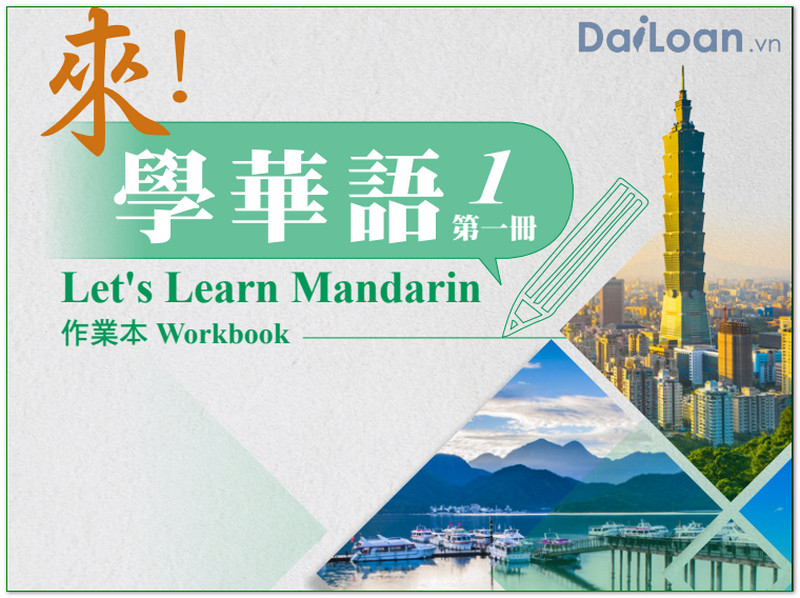

Grammatical Usage
改組 functions mainly as a verb phrase in sentences. It can be used in various tenses and contexts depending on the subject and object. When forming a sentence, the structure typically follows the Subject + Verb + Object pattern common in both Chinese and English grammar.
Example Sentences Using 改組
1. Corporate Context
Example: 公司决定进行改組以提高效率。
Translation:

2. Educational Context
Example: 学校的改組方案主要是为了适应新的教育政策。
Translation: The school’s reorganization plan is primarily to adapt to the new educational policies.
3. Government Context
Example: 政府在疫情期间进行了必要的改組,以应对挑战。
Translation: The government undertook necessary reorganization during the pandemic to respond to the challenges.
Conclusion
In summary, 改組 (gǎi zǔ) is a significant term in the Chinese language, representing the concept of reorganization across various sectors. Understanding its meaning and grammatical structure aids in better comprehension and application of the term in real-life scenarios. By integrating example sentences into learning, learners can grasp the nuances of how 改組 functions within different contexts effectively.


Sứ mệnh của Chuyên là giúp đỡ và truyền cảm hứng cho các bạn trẻ Việt Nam sang Đài Loan học tập, sinh sống và làm việc. Là cầu nối để lan tỏa giá trị tinh hoa nguồn nhân lực Việt Nam đến với Đài Loan và trên toàn cầu.
CÓ THỂ BẠN QUAN TÂM
Du học Đài Loan
Lao Động Đài Loan
Việc Làm Đài Loan
Đơn Hàng Đài Loan
Visa Đài Loan
Du Lịch Đài Loan
Tiếng Đài Loan
KẾT NỐI VỚI CHUYÊN
Zalo: https://zalo.me/0936126566
Website: www.dailoan.vn