


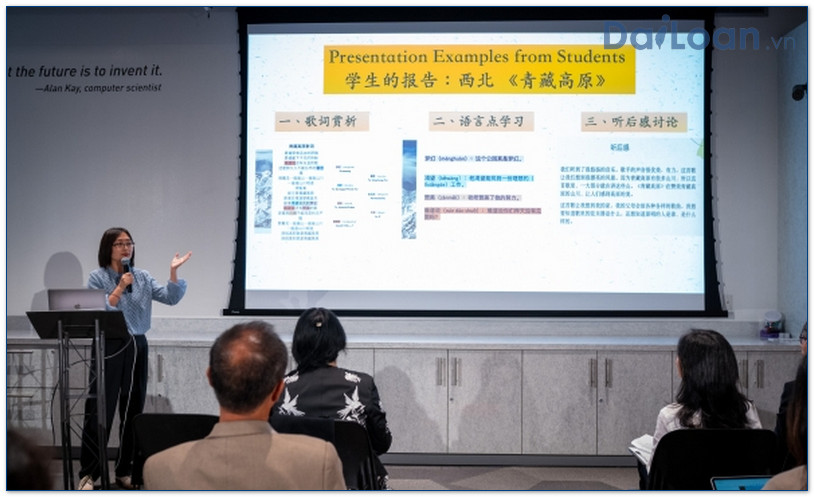
In the realm of Chinese vocabulary, understanding individual terms can provide valuable insights into the language. One such term is 文具 (wén jù), which plays a crucial role in both daily life and academic settings. In this article, we will delve into the meaning, grammatical structure, and practical usage of 文具 (wén jù) through various examples.
What Does 文具 (Wén Jù) Mean?
The term 文具 (wén jù) translates to “stationery” in English. It encompasses a wide range of items used for writing, drawing, and organizing documents. Common examples of 文具 include pens, pencils, notebooks, rulers, and erasers. Understanding this term is essential for students, teachers, and anyone who frequently engages with written materials in Chinese culture.
Grammatical Structure of 文具
The Composition of 文具
文具 (wén jù) consists of two characters:
- 文 (wén): This character generally relates to culture, literature, or written language.
- 具 (jù)
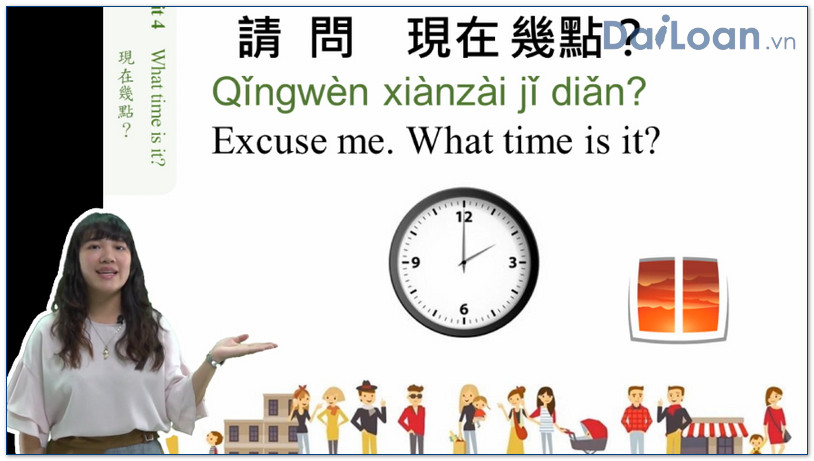

Together, these characters signify “tools for writing,” perfectly encapsulating the essence of stationery. In terms of grammar, 文具 is a noun that can function both as a subject and an object in a sentence.
Usage in Sentences
As a noun, 文具 can be modified by adjectives or used in various sentence structures. Below are examples that illustrate how 文具 can be integrated into different grammatical forms:
Example Sentences
- 我需要一些新的文具。 (Wǒ xūyào yīxiē xīn de wén jù.) – “I need some new stationery.”
- 这家文具店很受欢迎。 (Zhè jiā wén jù diàn hěn shòu huānyíng.) – “This stationery store is very popular.”
- 她的书桌上有很多文具。 (Tā de shūzhuō shàng yǒu hěn duō wén jù.) – “She has a lot of stationery on her desk.”
- 他买了文具来准备考试。 (Tā mǎile wén jù lái zhǔnbèi kǎoshì.) – “He bought stationery to prepare for the exam.”
Common Types of 文具
Understanding the specific types of 文具 can further enrich your vocabulary. Here are some common categories:
- 笔 (bǐ) – Pen: Used for writing.
- 铅笔 (qiān bǐ) – Pencil: For writing or drawing, erasable.
- 本子 (běn zǐ)
- 尺 (chǐ) – Ruler: A tool for measuring and drawing straight lines.
- 胶水 (jiāo shuǐ) – Glue: Used for sticking things together.
Why Learning 文具 is Important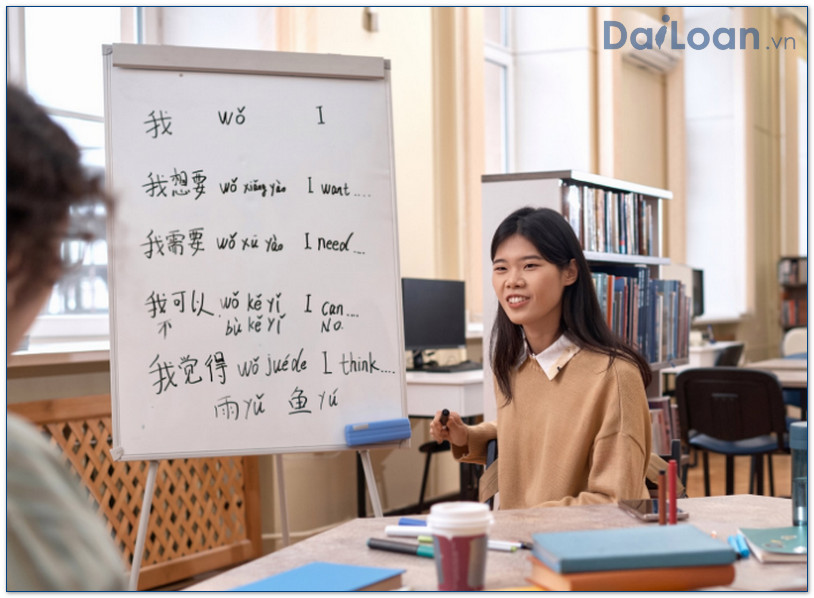

For learners of Chinese, mastering terms like 文具 (wén jù) is crucial as it lays the foundation for more complex language interactions. Knowing how to discuss stationery not only enhances vocabulary but also enables students to engage in practical conversations about school supplies, projects, and everyday tasks. It is a stepping stone towards fluency in everyday Chinese language usage.
Conclusion
In summary, understanding the term 文具 (wén jù) is more than just memorizing a vocabulary word; it opens up avenues for deeper comprehension of Chinese culture and daily life. By grasping its meaning, grammatical structure, and practicing with example sentences, learners can confidently incorporate this term into their Chinese language repertoire.
Don’t hesitate to explore further and enrich your Chinese vocabulary with more terms related to daily life, allowing for a fuller understanding of the language.


Sứ mệnh của Chuyên là giúp đỡ và truyền cảm hứng cho các bạn trẻ Việt Nam sang Đài Loan học tập, sinh sống và làm việc. Là cầu nối để lan tỏa giá trị tinh hoa nguồn nhân lực Việt Nam đến với Đài Loan và trên toàn cầu.
CÓ THỂ BẠN QUAN TÂM
Du học Đài Loan
Lao Động Đài Loan
Việc Làm Đài Loan
Đơn Hàng Đài Loan
Visa Đài Loan
Du Lịch Đài Loan
Tiếng Đài Loan
KẾT NỐI VỚI CHUYÊN
Zalo: https://zalo.me/0936126566
Website: www.dailoan.vn