


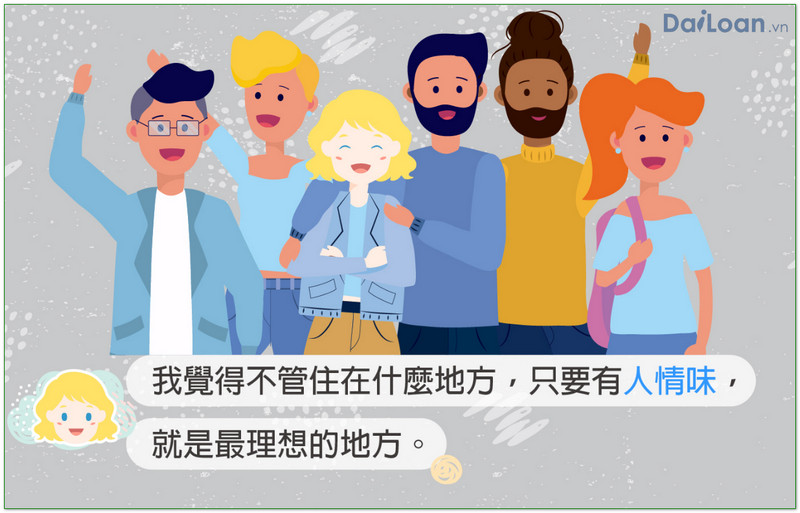
The term 族群 (zú qún) is a significant word in the Chinese language, embodying rich cultural and social connotations. This article delves into its meaning, grammatical structure, and practical applications through example sentences. Whether you are an advanced learner or just starting, mastering this term will enhance your understanding of Chinese ethnicity and social dynamics.
What Does 族群 (zú qún) Mean?
In Chinese, 族群 (zú qún) translates to “ethnic group” or “community.” It refers to a group of people who share common cultural traits, language, ancestry, and social practices. The term can encompass a wide variety of groups, including but not limited to, nationalities, indigenous peoples, and even social classes.
Grammatical Structure of 族群
The word 族群 (zú qún) consists of two characters:
- 族 (zú): This character means “clan” or “race.” It emphasizes lineage and common ancestry.
- 群 (qún): This character means “group” or “crowd.” It indicates a collective of individuals.
When combined, these characters create a term that refers to a collective of people who are united through their ethnic traits and cultural heritage. In sentence construction, 族群 (zú qún) usually functions as a noun.
Usage in Sentences
Here are some example sentences demonstrating the usage of 族群 (zú qún):
- 这个国家有很多不同的族群。
(Zhè ge guójiā yǒu hěn duō bùtóng de zú qún.)
“This country has many different ethnic groups.” - 他们的族群有着悠久的历史。
(Tāmen de zú qún yǒuzhe yōujiǔ de lìshǐ.)
“Their ethnic group has a long history.” - 必须尊重每个族群的文化。
(Bìxū zūnzhòng měi gè zú qún de wénhuà.)
“We must respect the culture of each ethnic group.” - 社会发展的一个关键是促进不同族群之间的交流。
(Shèhuì fāzhǎn de yī gè guānjiàn shì cùjìn bùtóng zú qún zhī jiān de jiāoliú.)
“A key to social development is promoting communication among different ethnic groups.”
The Importance of Understanding 族群 (zú qún)
Understanding the concept of 



Conclusion
In summary, the term 族群 (zú qún) encapsulates the essence of cultural and ethnic identity in Chinese. Its usage highlights the diversity and plurality present in society. By mastering this term and its usage, learners can enrich their vocabulary and gain deeper insight into the cultural dynamics of Chinese-speaking communities.


Sứ mệnh của Chuyên là giúp đỡ và truyền cảm hứng cho các bạn trẻ Việt Nam sang Đài Loan học tập, sinh sống và làm việc. Là cầu nối để lan tỏa giá trị tinh hoa nguồn nhân lực Việt Nam đến với Đài Loan và trên toàn cầu.
CÓ THỂ BẠN QUAN TÂM
Du học Đài Loan
Lao Động Đài Loan
Việc Làm Đài Loan
Đơn Hàng Đài Loan
Visa Đài Loan
Du Lịch Đài Loan
Tiếng Đài Loan
KẾT NỐI VỚI CHUYÊN
Zalo: https://zalo.me/0936126566
Website: www.dailoan.vn