



In the study of Chinese language and culture, many terms encapsulate deep philosophical meanings. One such term is 服侍 (fú shì), a word that can offer insights into social structures and personal relationships in Chinese society. In this article, we will delve into the meaning of 服侍, its grammatical structure, and provide practical example sentences to illustrate its use.
The Meaning of 服侍 (fú shì)
The term 服侍 (fú shì) primarily means “to serve” or “to attend to.” It combines the characters 服 (fú), which can mean “to obey” or “to wear,” and 侍 (shì), which means “to serve” or “to accompany.” Together, they convey the act of serving someone, particularly in contexts that may involve respect, obedience, or duty.
This term is commonly used in both formal and informal settings, often carrying connotations of respect and deference to one’s position or role. For instance, in traditional Chinese culture, serving elders, teachers, or figures of authority is seen as a moral obligation, reflecting values deeply rooted in Confucian ideology.
Grammatical Structure of 服侍 (fú shì)
From a grammatical perspective, 服侍 is a verb phrase. Here’s a breakdown of its components:
- 服 (fú): A verb that can represent different actions such as obeying or wearing something.
- 侍 (shì): A verb that primarily means to serve.
In sentence construction, it usually appears in its verbal form, 服侍, followed by the object of the sentence. The structure follows a Subject + Verb + Object pattern common in Mandarin Chinese. For example:
- 我 (Wǒ) + 服侍 (fú shì) + 她 (tā) = “I serve her.”
Formality and Context
It’s important to note that the degree of formality can impact how this term is received. In formal situations, such as serving guests at a banquet or caring for a senior family member, the word conveys a deep respect. In contrast, in more casual contexts, it might simply mean helping or looking after someone without significant emphasis on hierarchy.
Example Sentences Using 服侍 (fú shì)
Here are several example sentences to provide context and clarity on how to use 服侍 (fú shì) in conversational Mandarin:
1. Serving Family
在家庭聚会中,我的职责是服侍客人。
Zhèi jiā tǐng zǒngyì zài wǒ de zhízé shì fú shì kèren.
Translation: “At family gatherings, my duty is to serve the guests.”
2. Serving Teachers
学生们应该尊重并服侍老师。
Xuéshēngmen yīnggāi zūnzhòng bìng fú shì lǎoshī.
Translation: “Students should respect and serve their teachers.”
3. Serving in Formal Settings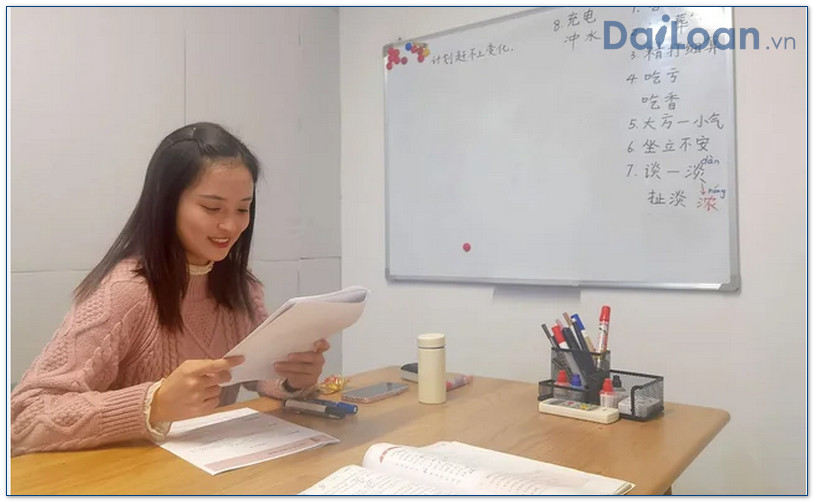

在晚会上,我们需要服侍所有到场的贵宾。
Zài wǎnhuì shàng, wǒmen xūyào fú shì suǒyǒu dào chǎng de guìbīn.
Translation: “At the gala, we need to serve all the distinguished guests present.”
4. Personal Relationships
我很高兴能服侍我的爷爷。
Wǒ hěn gāoxìng néng fú shì wǒ de yéyé.
Translation: “I am very happy to be able to serve my grandfather.”
Conclusion
In conclusion, the term 服侍 (fú shì) is rich with cultural significance, reflecting values of respect and duty in service. Understanding its meaning and grammatical structure can help learners of Chinese appreciate the nuances of interpersonal relationships in Chinese-speaking contexts. By seeing it through various examples, one can grasp its versatility and learn to incorporate it into everyday conversation effectively.
Investing time in mastering terms like 服侍 will not only improve your vocabulary but also enhance your understanding of the cultural contexts in which these words are used. Whether you are a student of the language or simply interested in Chinese culture, the concept of 服侍 offers a deeper insight into the values and customs that promote harmony and respect within society.


Sứ mệnh của Chuyên là giúp đỡ và truyền cảm hứng cho các bạn trẻ Việt Nam sang Đài Loan học tập, sinh sống và làm việc. Là cầu nối để lan tỏa giá trị tinh hoa nguồn nhân lực Việt Nam đến với Đài Loan và trên toàn cầu.
CÓ THỂ BẠN QUAN TÂM
Du học Đài Loan
Lao Động Đài Loan
Việc Làm Đài Loan
Đơn Hàng Đài Loan
Visa Đài Loan
Du Lịch Đài Loan
Tiếng Đài Loan
KẾT NỐI VỚI CHUYÊN
Zalo: https://zalo.me/0936126566
Website: www.dailoan.vn