


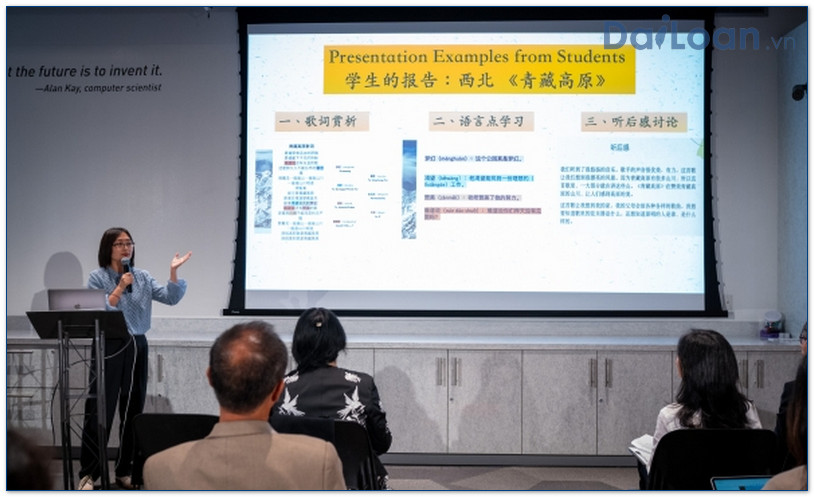
In the realm of the Chinese language, the term 毛病 (máo bìng) holds significant value. This article delves into its meaning, grammatical structure, and provides practical example sentences to enhance your understanding and usage of this expression. Whether you are a student of Chinese or just intrigued by the language, this guide will equip you with the necessary insights.
The Meaning of 毛病 (máo bìng)
The phrase 毛病 (máo bìng) can be translated to mean “defect,” “fault,” or “problem.” It is often used to describe issues, shortcomings, or undesirable traits in people or objects. In a broader context, it can also refer to behavioral problems, flaws in reasoning, or technical malfunctions.

Nuances and Contexts of Use
Understanding the nuances of 毛病 is crucial. For instance, when referring to a person’s character, it can indicate behavioral issues or bad habits. Conversely, when speaking about machines or products, it points towards defects or malfunctions.
Grammatical Structure of 毛病
In Chinese, 毛病 is a noun that can function independently or as part of a compound structure. The term is composed of two characters:
- 毛 (máo) – This character can mean “fur” or “hair,” but in this context, it connotes something that is “essentially flawed” or “imperfect.”
- 病 (bìng) – This character means “illness” or “disease,” which relates to the concept of faults or problems.
Sentence Structure
When using 毛病 in sentences, it generally follows the subject-verb-object structure, typical of Chinese grammar.

Example Sentences Using 毛病
Below are several example sentences that illustrate the use of 毛病 in various contexts:
Contextual Examples
- 这个机器有一个毛病。 (Zhège jīqì yǒu yīgè máobìng.)
“This machine has a defect.” - 他的毛病就是太懒了。 (Tā de máobìng jiùshì tài lǎnle.)
“His fault is being too lazy.” - 这本书没有什么毛病。 (Zhè běn shū méiyǒu shénme máobìng.)
“This book doesn’t have any problems.”
Analyzing Sentence Structure
In the sentences provided:
- The subject is introduced first, followed by the verb and the object, aligning with standard Mandarin sentence construction.
- Each example emphasizes usage in different contexts—machines, personal character flaws, and literature.
Conclusion
In summary, the term 毛病 (máo bìng) is a versatile expression in Chinese that encompasses various meanings related to faults or defects. Understanding its grammatical structure and application in sentences will aid learners in mastering its use in conversation and writing. As you continue your journey in learning the Chinese language, incorporating terms like 毛病 into your vocabulary will enhance your fluency and comprehension.
Thank you for reading! If you found this guide helpful, feel free to explore more about the Chinese language and enrich your learning experience.


Sứ mệnh của Chuyên là giúp đỡ và truyền cảm hứng cho các bạn trẻ Việt Nam sang Đài Loan học tập, sinh sống và làm việc. Là cầu nối để lan tỏa giá trị tinh hoa nguồn nhân lực Việt Nam đến với Đài Loan và trên toàn cầu.
CÓ THỂ BẠN QUAN TÂM
Du học Đài Loan
Lao Động Đài Loan
Việc Làm Đài Loan
Đơn Hàng Đài Loan
Visa Đài Loan
Du Lịch Đài Loan
Tiếng Đài Loan
KẾT NỐI VỚI CHUYÊN
Zalo: https://zalo.me/0936126566
Website: www.dailoan.vn