


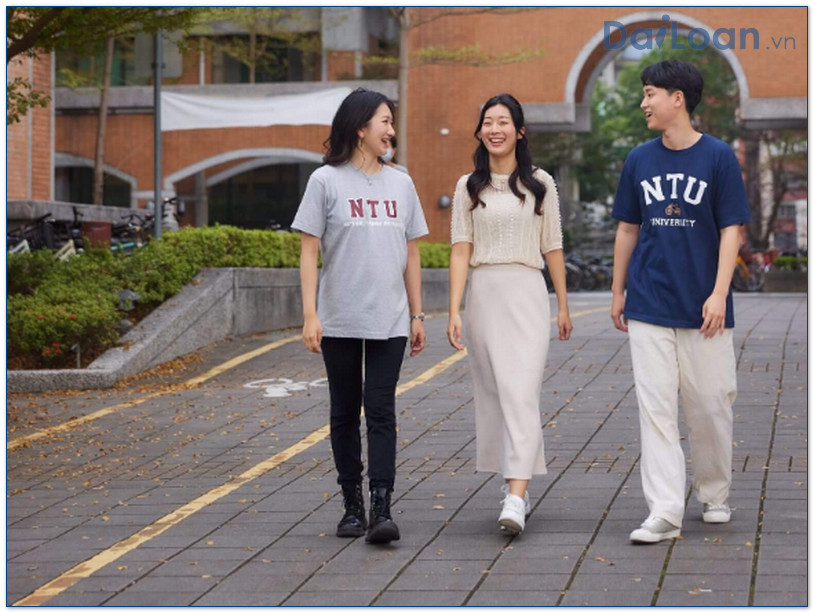
Chinese is a rich and nuanced language with many fascinating words that express various concepts and emotions. One such word is 活潑 (huó pō), which can greatly enhance your vocabulary set. In this article, we will delve into the meaning of 活潑, its grammatical structure, and provide example sentences to illustrate its usage. This exploration will not only help you understand this particular word better but also elevate your overall proficiency in the Chinese language.
The Meaning of 活潑 (huó pō)
The term 活潑


Grammatical Structure of 活潑 (huó pō)
In the Chinese language, grammatical structure often differs from that in English. Here we will break down how 活潑 functions within sentences:
1. Adjective Usage
活潑 is primarily an adjective and can appear before a noun. For example:
- 活潑的小孩 (huó pō de xiǎo hái) – lively child
- 活潑的狗 (huó pō de gǒu) – lively dog
2. Subject and Predicate Construction
活潑 can be used as a predicate in a subject-predicate structure:
- 這個小孩很活潑 (Zhè ge xiǎo hái hěn huó pō) – This child is very lively.
3. Comparisons
活潑 can be compared with other adjectives using 比 (bǐ):
- 他比她更活潑 (Tā bǐ tā gèng huó pō) – He is livelier than she is.
Example Sentences Using 活潑 (huó pō)
To better illustrate how活潑 can be used in everyday conversation, here are several example sentences:
1. Expressing Personality
- 這個小女孩非常活潑,總是笑著 (Zhè ge xiǎo nǚ hái fēi cháng huó pō, zǒng shì xiào zhe) – This little girl is very lively and always smiling.
- 他是一個活潑的學生,喜歡參加各種活動 (Tā shì yī gè huó pō de xué shēng, xǐ huān cān jiā gè zhǒng huó dòng) – He is a lively student who likes to participate in various activities.
2. Describing Animals
- 這隻狗非常活潑,總是在院子裡跑來跑去 (Zhè zhī gǒu fēi cháng huó pō, zǒng zài yuàn zi lǐ pǎo lái pǎo qù) – This dog is very lively, always running around in the yard.
3. Discussing Events or Activities
- 這是一場非常活潑的派對,大家都玩得很開心 (Zhè shì yī chǎng fēi cháng huó pō de pài duì, dà jiā dōu wán dé hěn kāi xīn) – This is a very lively party, and everyone is having a lot of fun.
Conclusion
活潑 (huó pō) is an expressive word that embodies a sense of liveliness and vitality. Understanding its meaning and grammatical structure can enhance your fluency in the Chinese language, allowing you to describe people, animals, or events with greater precision. Practicing with example sentences can also deepen your appreciation for how this adjective enriches conversations. Keep exploring new words and phrases to continually improve your language skills!


Sứ mệnh của Chuyên là giúp đỡ và truyền cảm hứng cho các bạn trẻ Việt Nam sang Đài Loan học tập, sinh sống và làm việc. Là cầu nối để lan tỏa giá trị tinh hoa nguồn nhân lực Việt Nam đến với Đài Loan và trên toàn cầu.
CÓ THỂ BẠN QUAN TÂM
Du học Đài Loan
Lao Động Đài Loan
Việc Làm Đài Loan
Đơn Hàng Đài Loan
Visa Đài Loan
Du Lịch Đài Loan
Tiếng Đài Loan
KẾT NỐI VỚI CHUYÊN
Zalo: https://zalo.me/0936126566
Website: www.dailoan.vn