


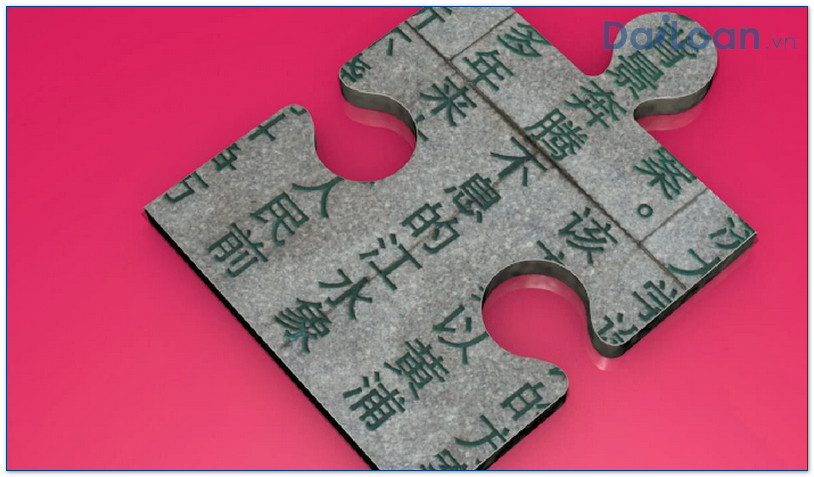
The term 漢朝 (hàn cháo) refers to the Han Dynasty, one of the most significant periods in Chinese history that spanned from 206 BC to 220 AD. Known for its remarkable advancements in culture, technology, and trade, it laid the foundations for many aspects of Chinese civilization that are still relevant today. In this article, we will delve into the meaning of 漢朝, its grammatical structure, and provide several example sentences to illustrate its use in context.

1. The Meaning of 漢朝 (hàn cháo)
The term 漢朝 (hàn cháo) is composed of two primary characters:
- 漢 (hàn): This character is associated with the Han ethnic group and the Han Dynasty itself. It carries the connotation of grandeur and is often linked to cultural elements such as the Han script.
- 朝 (cháo): This character translates to ‘dynasty’ or ‘morning’. In this context, it is used to denote a specific historical period characterized by a ruling family or government.
Together, 漢朝 signifies the ‘Han Dynasty’, reflecting both the historical dynasty as well as its lasting impact on Chinese identity.
2. Grammatical Structure of 漢朝
Understanding the grammatical structure of 漢朝 can provide deeper insights into its use in the Chinese language. The phrase itself follows a straightforward noun construction:
- 漢 (hàn) – Noun, denoting the dynasty or the Han ethnicity.
- 朝 (cháo) – Noun, indicating the concept of dynasty.
In the structure of Chinese phrases, adjectives can often be placed before nouns to add more context. However, in the case of 漢朝, adjectives or descriptive phrases are often included in the sentence rather than altering the core terms.
2.1 Usage in a Sentence
The term 漢朝 is typically used in historical contexts. For example:
- 在漢朝,絲綢之路的貿易非常繁榮。
(During the Han Dynasty, trade along the Silk Road flourished.) - 漢朝的文化對後世影響深遠。
(The culture of the Han Dynasty has had a profound influence on later generations.)
2.2 Variations and Extensions
While 漢朝 specifically refers to the Han Dynasty, variations of the term can indicate different aspects or related historical events:
- 前漢 (qián hàn): Refers to the Western Han period.
- 後漢 (hòu hàn): Refers to the Eastern Han period.
3. Example Sentences Using 漢朝
Let’s explore more example sentences utilizing 漢朝 in various contexts to better understand its application:
3.1 Historical Context
- 漢朝是中國歷史上最重要的朝代之一。
(The Han Dynasty is one of the most important dynasties in Chinese history.) - 在漢朝,發明了紙,使知識的傳播變得容易。
(During the Han Dynasty, the invention of paper made the dissemination of knowledge easier.)
3.2 Cultural Significance
- 許多漢朝的藝術品至今仍然受到讚賞。

(Many artworks from the Han Dynasty are still appreciated today.) - 漢朝的法律制度影響了後來的王朝。
(The legal system of the Han Dynasty influenced later dynasties.)

3.3 Modern References
- 在學術界,對漢朝的研究十分活躍。
(In academia, research on the Han Dynasty is very active.) - 這個展覽將展示漢朝的文物和歷史。
(This exhibition will showcase artifacts and history from the Han Dynasty.)
Conclusion
In conclusion, the term 漢朝 (hàn cháo) encapsulates the historical and cultural essence of one of China’s greatest dynasties. Understanding its meaning, grammatical structure, and practical usage not only enriches one’s knowledge of the Chinese language but also deepens appreciation for Chinese history. As we continue to study and engage with this term, we uncover layers of significance that resonate through the ages.


Sứ mệnh của Chuyên là giúp đỡ và truyền cảm hứng cho các bạn trẻ Việt Nam sang Đài Loan học tập, sinh sống và làm việc. Là cầu nối để lan tỏa giá trị tinh hoa nguồn nhân lực Việt Nam đến với Đài Loan và trên toàn cầu.
CÓ THỂ BẠN QUAN TÂM
Du học Đài Loan
Lao Động Đài Loan
Việc Làm Đài Loan
Đơn Hàng Đài Loan
Visa Đài Loan
Du Lịch Đài Loan
Tiếng Đài Loan
KẾT NỐI VỚI CHUYÊN
Zalo: https://zalo.me/0936126566
Website: www.dailoan.vn