


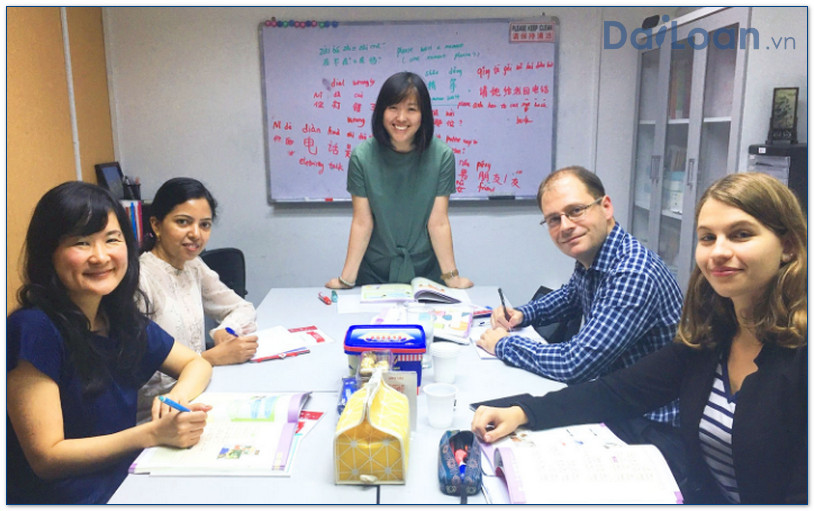
Introduction to 特產 (tè chǎn)
The term 特產 (tè chǎn) plays a significant role in Chinese culture, representing unique local products that are often cherished both regionally and nationally. Understanding this term not only enhances your vocabulary but also gives you insight into the diverse cultures across China.
What Does 特產 (tè chǎn) Mean?
In Mandarin, 特產 (tè chǎn) literally translates to “special product” or “local specialty.” These are typically foods, handicrafts, or other goods that are uniquely produced in a specific region. Examples can include specialties like Hangzhou’s Longjing tea or Sichuan’s spicy hot pot ingredients. Such products reflect the area’s traditions, climate, and resources, making them a point of pride for locals.
Grammatical Structure of 特產
The term 特產 (tè chǎn) comprises two characters:
- 特 (tè): means “special” or “particular.”
- 產 (chǎn): means “product” or “produce.”
In terms of grammatical structure, 特產 functions as a noun, often used in various contexts to describe products that are not only noteworthy but also often tied to local culture or identity. It can be used in a variety of phrases and sentences, conveying both the uniqueness of the product and its regional significance.
Usage in Context
When using 特產 (tè chǎn) in conversation or writing, it is essential to understand the context. Below are some example sentences illustrating its usage:
Example Sentences Using 特產
- 1. 我放假去云南旅行,买了很多当地的特產。(Wǒ fàngjià qù Yúnnán lǚxíng, mǎile hěn duō dāngdì de tèchǎn.)
“I traveled to Yunnan during the holiday and bought a lot of local specialties.” - 2. 每个省份都有自己的特產,反映了他们的文化。(Měi gè shěngfèn dōu yǒu zìjǐ de tèchǎn, fǎnyìngle tāmen de wénhuà.)
“Each province has its own specialties, reflecting their culture.”
- 3. 特產不止是食物,还有手工艺品。(Tèchǎn bùzhǐ shì shíwù, hái yǒu shǒugōng yìpǐn.)
“Specialties are not just food but also handicrafts.” - 4. 他的家乡特產非常有名,游客们常常来购买。(Tā de jiāxiāng tèchǎn fēicháng yǒumíng, yóukèmen chángcháng lái gòumǎi.)
“The specialties of his hometown are very famous, and tourists often come to buy them.”

Conclusion

Understanding the meaning and usage of 特產 (tè chǎn) not only enriches your language skills but also deepens your appreciation for the local cultures and traditions of China. Whether you’re learning Chinese or just interested in the cultural nuances, grasping this concept can enhance your experience in various contexts, from travel to culinary exploration.


Sứ mệnh của Chuyên là giúp đỡ và truyền cảm hứng cho các bạn trẻ Việt Nam sang Đài Loan học tập, sinh sống và làm việc. Là cầu nối để lan tỏa giá trị tinh hoa nguồn nhân lực Việt Nam đến với Đài Loan và trên toàn cầu.
CÓ THỂ BẠN QUAN TÂM
Du học Đài Loan
Lao Động Đài Loan
Việc Làm Đài Loan
Đơn Hàng Đài Loan
Visa Đài Loan
Du Lịch Đài Loan
Tiếng Đài Loan
KẾT NỐI VỚI CHUYÊN
Zalo: https://zalo.me/0936126566
Website: www.dailoan.vn