


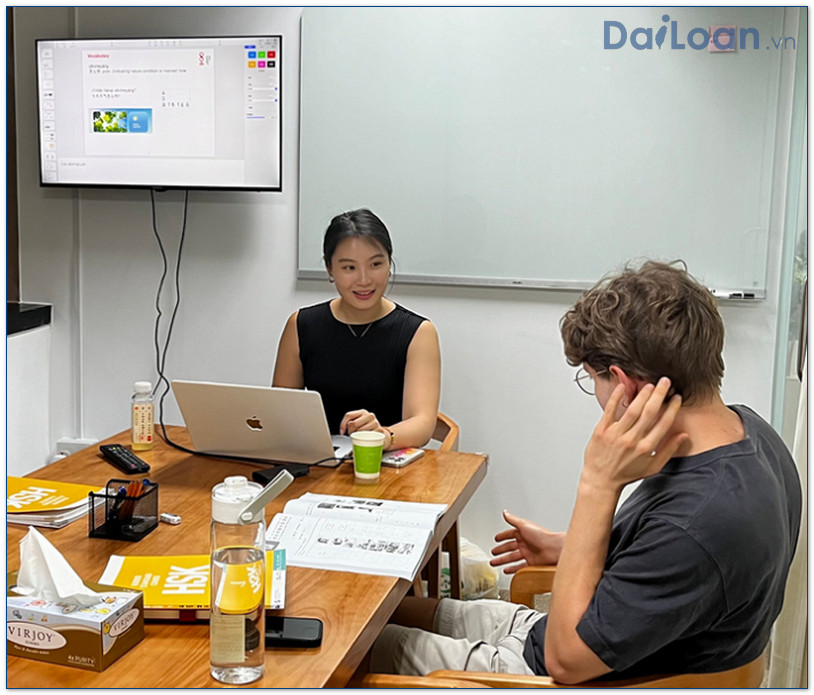
The Chinese term 班次 (bāncì) holds significant importance in various contexts, particularly in transportation and scheduling. This article delves into its meaning, grammatical structure, and provides practical example sentences for better understanding.
What Does 班次 (bāncì) Mean?
The term 

Grammatical Structure of 班次 (bāncì)
班次 (bāncì) consists of two characters:
- 班 (bān)
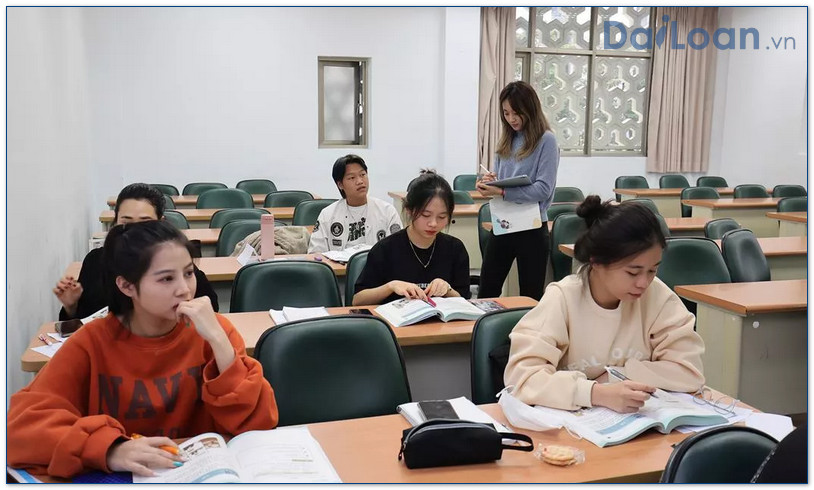
- 次 (cì): This character means occurrence, order, or sequence. It is used to indicate the order of events or instances.

Together, 班次 (bāncì) signifies a scheduled occurrence within a predefined timeframe.
Example Sentences Using 班次 (bāncì)
To illustrate how to use 班次 (bāncì) in context, below are some example sentences:
1. In Transportation Context

我今天的班次是上午九点的火车。
(Wǒ jīntiān de bāncì shì shàngwǔ jiǔ diǎn de huǒchē.)
Translation: My schedule today is for the 9 AM train.
2. In Educational Context
我们的班次是每周三和周五。
(Wǒmen de bāncì shì měi zhōu sān hé zhōu wǔ.)
Translation: Our class schedule is every Wednesday and Friday.
3. In Work Context
他每天的班次从早上八点到下午五点。
(Tā měitiān de bāncì cóng zǎoshang bā diǎn dào xiàwǔ wǔ diǎn.)
Translation: His work shift is from 8 AM to 5 PM every day.
4. In Transport Timetables
请查看公交车的班次时刻表。
(Qǐng chákàn gōngjiāo chē de bāncì shíkèbiǎo.)
Translation: Please check the bus schedule timetable.
Conclusion
The term 班次 (bāncì) serves a vital role in organizing educational institutions, transport systems, and work environments within Chinese-speaking communities. Understanding its meaning and grammatical structure enhances one’s grasp of the language and its practical application in everyday conversations.
By incorporating the term 班次 (bāncì) into your vocabulary, you will find it easier to navigate different scheduling scenarios in Chinese. Practice using the provided examples to reinforce your learning and become more fluent in communicating effective schedules in Chinese.


Sứ mệnh của Chuyên là giúp đỡ và truyền cảm hứng cho các bạn trẻ Việt Nam sang Đài Loan học tập, sinh sống và làm việc. Là cầu nối để lan tỏa giá trị tinh hoa nguồn nhân lực Việt Nam đến với Đài Loan và trên toàn cầu.
CÓ THỂ BẠN QUAN TÂM
Du học Đài Loan
Lao Động Đài Loan
Việc Làm Đài Loan
Đơn Hàng Đài Loan
Visa Đài Loan
Du Lịch Đài Loan
Tiếng Đài Loan
KẾT NỐI VỚI CHUYÊN
Zalo: https://zalo.me/0936126566
Website: www.dailoan.vn