


In this article, we delve into the fascinating world of the Chinese term 生態 (shēng tài). As a key concept in ecological discussions, understanding its meaning, grammatical structure, and practical usage can significantly enhance your Chinese language skills and appreciation for ecological topics. Let’s explore!
What Does 生態 (Shēng Tài) Mean?
The term 生態 (shēng tài) translates to ecology in English. It is used to describe the interrelationships between organisms and their environment, encompassing the systems that maintain biological life on Earth. The concept of ecology goes beyond just plants and animals; it includes the entire ecosystem, including physical and chemical factors that influence life.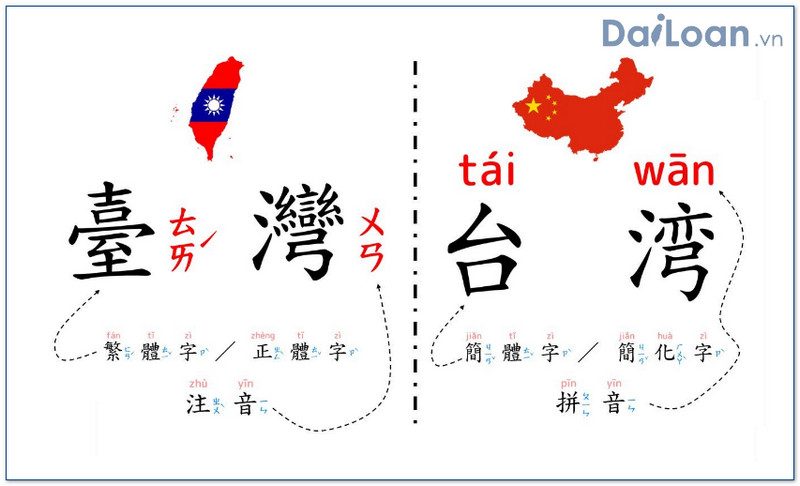

The Components of 生態
- 生 (shēng): This character means life or to live, indicating the biological aspect of the term.
- 態 (tài): This character signifies state or condition, referring to the status of living organisms in their environment.
Grammatical Structure of 生態
Understanding the grammatical structure of 生態 (shēng tài) is essential for its proper usage in sentences. Here are key points regarding its grammatical role:
Part of Speech
In Chinese, 生態 functions primarily as a noun. It can be used to describe different aspects of ecological study, including ecosystem dynamics, biodiversity, and environmental health.
Usage in Context
The term can be employed in various syntactic structures, such as:
- Subject: 生態 是一个重要的领域。
- Object: 我们需要保护 生態。
Example Sentences Using 生態
Now that we have explored the meaning and grammatical structure of 生態, let’s look at some example sentences that demonstrate its usage in context:
Sentence Examples
- 生態 保护是每个人的责任。
(Ecology protection is everyone’s responsibility.) - 研究 生態 对于应对气候变化很重要。
(Studying ecology is important for addressing climate change.) - 这个地区的生物多样性对其 生態 系统至关重要。
(The biodiversity of this area is crucial to its ecological system.) - 我们应该采取措施来保护自然 生態。
(We should take measures to protect the natural ecology.) - 现代城市 生態 的研究正在逐渐增多。
(Research on urban ecology is gradually increasing.)
Conclusion
The term 生態 (shēng tài) is integral to discussions about environmental science and sustainability. By understanding its meaning, grammatical structure, and contextual usage, you can enhance your vocabulary and engage more deeply with ecological topics in Chinese. Embrace the language, and explore the rich discussions surrounding ecology!


Sứ mệnh của Chuyên là giúp đỡ và truyền cảm hứng cho các bạn trẻ Việt Nam sang Đài Loan học tập, sinh sống và làm việc. Là cầu nối để lan tỏa giá trị tinh hoa nguồn nhân lực Việt Nam đến với Đài Loan và trên toàn cầu.
CÓ THỂ BẠN QUAN TÂM
Du học Đài Loan
Lao Động Đài Loan
Việc Làm Đài Loan
Đơn Hàng Đài Loan
Visa Đài Loan
Du Lịch Đài Loan
Tiếng Đài Loan
KẾT NỐI VỚI CHUYÊN
Zalo: https://zalo.me/0936126566
Website: www.dailoan.vn