


What Does 男生 (nánshēng) Mean?
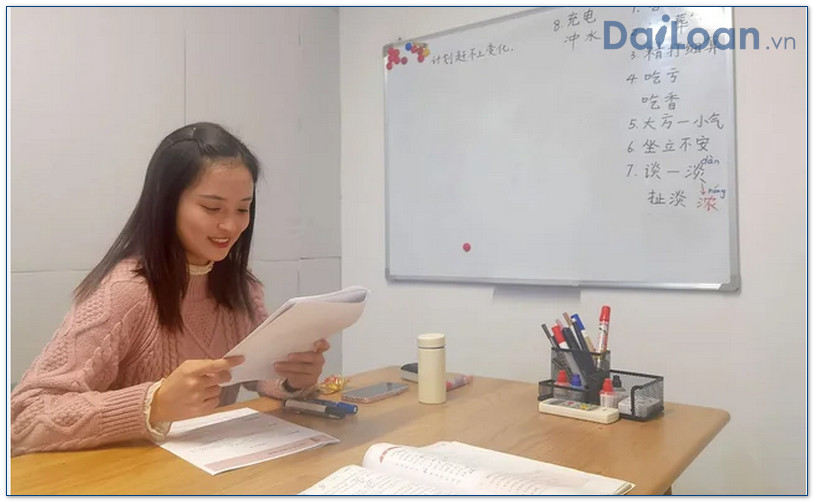
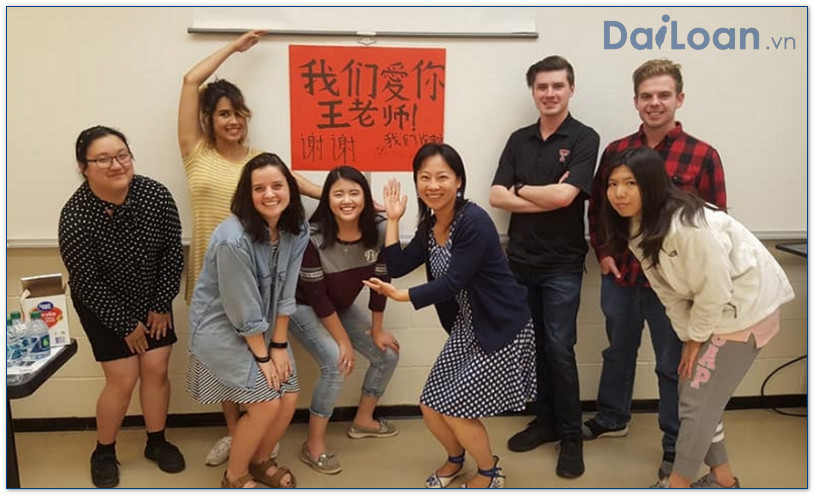
The term 男生 (nánshēng) translates to “boy” or “male student” in English. It is commonly used in schools, conversations, and media when referring to young males, especially in the context of education. Understanding this term is essential for anyone looking to deepen their knowledge of the Chinese language and culture.
The Grammatical Structure of 男生
男生 (nánshēng) is a compound word in Chinese, consisting of two characters:
- 男 (nán): This character means “male” or “man.”
- 生 (shēng): This character means “student,” “born,” or “to give birth.” In combination with 男 (nán), it specifically refers to a male student or boy.

The structure of the term follows a common pattern in Mandarin where the first character modifies or specifies the second character. In this case, “male” specifies the type of “student,” making it clear that 男生 (nánshēng) refers explicitly to male students.
Example Sentences Using 男生
Usage in Daily Conversations
Here are some practical examples of how to use 男生 (nánshēng) in sentences:
- 他是一个聪明的男生。 (Tā shì yīgè cōngmíng de nánshēng.)
Translation: “He is a smart boy.” - 这个男生在班上很受欢迎。 (Zhège nánshēng zài bān shàng hěn shòu huānyíng.)
Translation: “This boy is very popular in the class.” - 男生们都在操场上玩足球。
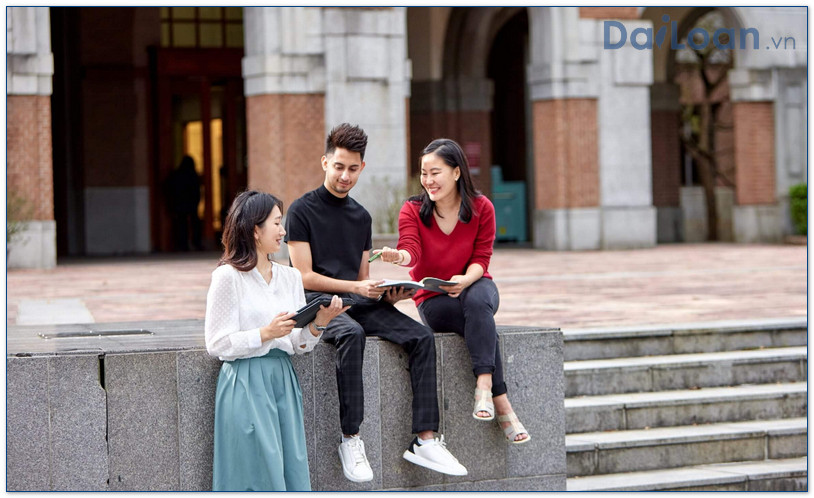
Translation: “The boys are all playing football on the playground.”

Usage in Educational Contexts
男生 (nánshēng) is frequently used in academic discussions and environments. Here are some examples:
- 我们的学校有很多男生。 (Wǒmen de xuéxiào yǒu hěn duō nánshēng.)
Translation: “Our school has many male students.” - 他们的男生表现得非常出色。 (Tāmen de nánshēng biǎoxiàn dé fēicháng chūsè.)
Translation: “Their male students performed exceptionally well.”
Conclusion
In conclusion, the term 男生 (nánshēng) is a fundamental part of the Chinese language, embodying the concept of young males and male students. By understanding its meaning, grammatical structure, and context, learners can enhance their grasp of Chinese vocabulary and improve their conversational skills. Whether in school settings or everyday conversations, mastering this term will undoubtedly aid in authentic communication in Mandarin Chinese.


Sứ mệnh của Chuyên là giúp đỡ và truyền cảm hứng cho các bạn trẻ Việt Nam sang Đài Loan học tập, sinh sống và làm việc. Là cầu nối để lan tỏa giá trị tinh hoa nguồn nhân lực Việt Nam đến với Đài Loan và trên toàn cầu.
CÓ THỂ BẠN QUAN TÂM
Du học Đài Loan
Lao Động Đài Loan
Việc Làm Đài Loan
Đơn Hàng Đài Loan
Visa Đài Loan
Du Lịch Đài Loan
Tiếng Đài Loan
KẾT NỐI VỚI CHUYÊN
Zalo: https://zalo.me/0936126566
Website: www.dailoan.vn