


Chinese can be a complex yet fascinating language to learn. One essential word that often appears in daily conversations is 疲勞 (pí láo), which translates to “fatigue” or “tiredness.” In this article, we will explore the meaning of 疲勞, its grammatical structure, and provide example sentences to help you use it effectively in different contexts.
What Does 疲勞 (pí láo) Mean?
The term 疲勞 is commonly used in Chinese to express a state of tiredness or exhaustion. It is comprised of two characters:
- 疲 (pí): This character conveys the concept of tiredness.
- 勞 (láo): This character refers to labor or effort, often associated with work and the fatigue that comes from it.
When combined, 疲勞 signifies the idea of being worn out from physical or mental exertion. It can denote both temporary fatigue—such as that experienced after a long day at work—and chronic fatigue, which may stem from ongoing stress or health issues.
Grammatical Structure of 疲勞
In terms of grammatical structure, 疲勞 functions as a noun in sentences. Here’s a breakdown of its usage:
Usage as a Noun
As a noun, 疲勞 can be used to describe a feeling of tiredness. For example: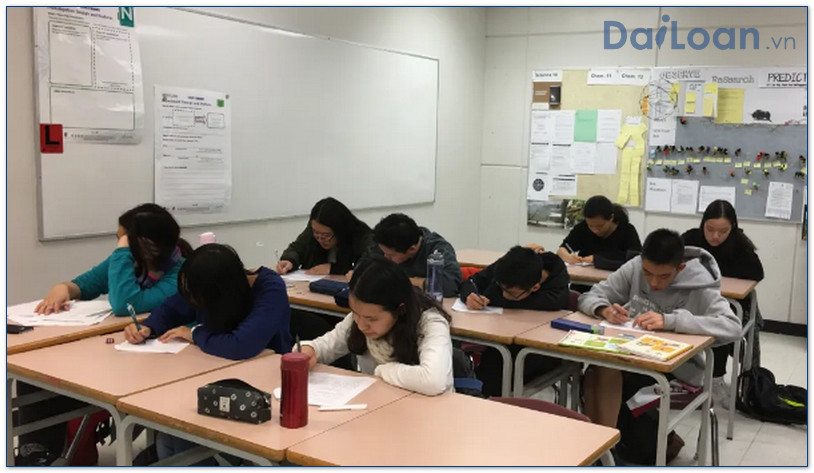
- Example Sentence: 我最近感到很疲勞。 (Wǒ zuìjìn gǎndào hěn pí láo.) – “I have been feeling very fatigued lately.”
Adjectival Usage
When combined with a verb to express a state of being, 疲勞 can also function in an adjectival sense:
- Example Sentence: 他看起来很疲勞。 (Tā kàn qǐlái hěn pí láo.) – “He looks very tired.”
Example Sentences Using 疲勞
Understanding the context in which 疲勞 can be used is essential for effective communication. Below are various example sentences that illustrate different scenarios involving 疲勞.
Everyday Conversations
- 今天我工作了一整天,我感到非常疲勞。(Jīntiān wǒ gōngzuòle yī zhěng tiān, wǒ gǎndào fēicháng pí láo.) – “I worked all day today, and I feel very fatigued.”
- 如果你太疲勞,就需要休息一下。(Rúguǒ nǐ tài pí láo, jiù xūyào xiūxí yīxià.) – “If you are too tired, you need to take a break.”
Health and Wellness Contexts
- 长期的工作压力可能导致疲勞和焦虑。(Chángqī de gōngzuò yālì kěnéng dǎozhì pí láo hé jiāolǜ.) – “Long-term work pressure can lead to fatigue and anxiety.”
- 保持良好的睡眠可以帮助你抵抗疲勞。(Bǎochí liánghǎo de shuìmián kěyǐ bāngzhù nǐ dǐkàng pí láo.) – “Maintaining good sleep can help you resist fatigue.”
Descriptive Contexts
- 经过一场长途旅行,他们都感到很疲勞。(Jīngguò yī chǎng chángtú lǚxíng, tāmen dōu gǎndào hěn pí láo.) – “After a long journey, they all felt quite fatigued.”
- 疲勞的感觉让她注意到休息的重要性。(Pí láo de gǎnjué ràng tā zhùyì dào xiūxí de zhòngyàoxìng.) – “The feeling of fatigue made her realize the importance of rest.”
Conclusion
In summary, 疲勞 (pí láo) is an essential term in the Chinese language that expresses fatigue or tiredness. Understanding its meaning and grammatical structure is crucial for effective communication. Through example sentences, we have seen how this word can be used in various contexts, enhancing your Chinese language skills and allowing for more nuanced conversations. Whether discussing personal experiences, health, or daily activities, incorporating 疲勞 into your vocabulary will undoubtedly improve your fluency.


Sứ mệnh của Chuyên là giúp đỡ và truyền cảm hứng cho các bạn trẻ Việt Nam sang Đài Loan học tập, sinh sống và làm việc. Là cầu nối để lan tỏa giá trị tinh hoa nguồn nhân lực Việt Nam đến với Đài Loan và trên toàn cầu.
CÓ THỂ BẠN QUAN TÂM
Du học Đài Loan
Lao Động Đài Loan
Việc Làm Đài Loan
Đơn Hàng Đài Loan
Visa Đài Loan
Du Lịch Đài Loan
Tiếng Đài Loan
KẾT NỐI VỚI CHUYÊN
Zalo: https://zalo.me/0936126566
Website: www.dailoan.vn