


In the expansive realm of the Chinese language, certain expressions capture the essence of realization and discovery, and one such term is 發覺 (fā jué). In this article, we will delve into its meaning, grammatical structure, and provide examples of how it’s used in sentences. Through this exploration, readers will gain a profound understanding of this essential phrase.
What Does 發覺 (fā jué) Mean?
發覺 (fā jué) translates to “to discover” or “to realize” in English. The term is often used to express the moment when someone becomes aware of something previously unnoticed or hidden. It encapsulates a sense of enlightenment or awareness, making it a significant term in everyday conversations.
Grammatical Structure of 發覺
Components of 發覺
The term 發覺 (fā jué) consists of two characters:
- 發 (fā): This character generally means “to send out” or “to develop.” It indicates the action of initiation or emergence.
- 覺 (jué): This character means “to feel” or “to perceive.” It emphasizes the cognitive or sensory aspect of realization.
Usage in Sentences
In Chinese, 發覺 (fā jué) is often used with a range of grammatical structures. Here are a few key points to note:
- It typically functions as a verb.
- It can be used in various tense forms depending on context.
- It is often accompanied by objects, usually indicating what has been discovered or realized.
Example Sentences Using 發覺 (fā jué)
Realization of Feelings
One common use of 發覺 (fā jué) is in situations involving personal feelings:
- 我最近發覺我對她有感覺。(Wǒ zuìjìn fā jué wǒ duì tā yǒu gǎnjué.)
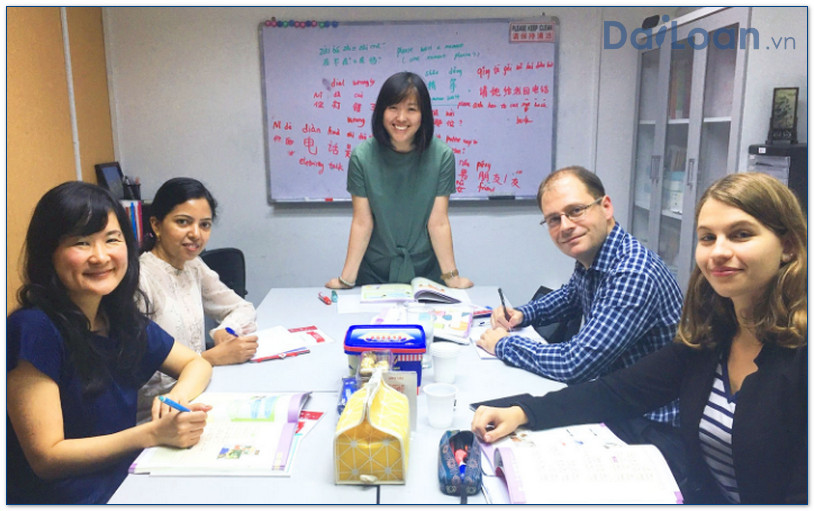
Translation: “I recently realized that I have feelings for her.”
Discovering New Information
Another context is when discovering information or facts:
- 他發覺這個問題的解決方案很簡單。(Tā fā jué zhègè wèntí de jiějué fāng’àn hěn jiǎndān.)
Translation: “He discovered that the solution to this problem is very simple.”
Awareness of Surroundings
It can also be applied to moments of heightened awareness:
- 我在散步時發覺周圍的風景很美。(Wǒ zài sànbù shí fā jué zhōuwéi de fēngjǐng hěn měi.)
Translation: “I realized that the scenery around me is beautiful while taking a walk.”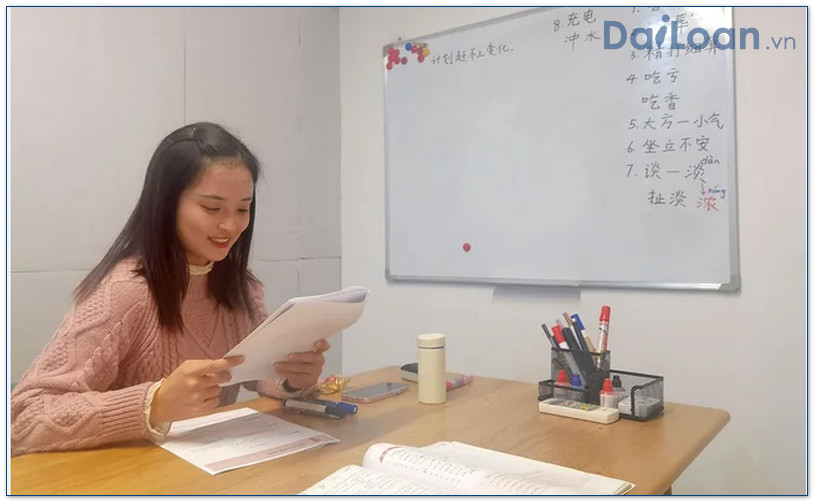

Conclusion
The term 發覺 (fā jué) embodies moments of discovery and realization, making it a pivotal expression in the Chinese language. Understanding its meaning, grammatical structure, and usage through example sentences enhances one’s proficiency in Chinese. Whether in personal reflections or observations about the world, 發覺 (fā jué) serves as a vital tool for articulating awareness and understanding.


Sứ mệnh của Chuyên là giúp đỡ và truyền cảm hứng cho các bạn trẻ Việt Nam sang Đài Loan học tập, sinh sống và làm việc. Là cầu nối để lan tỏa giá trị tinh hoa nguồn nhân lực Việt Nam đến với Đài Loan và trên toàn cầu.
CÓ THỂ BẠN QUAN TÂM
Du học Đài Loan
Lao Động Đài Loan
Việc Làm Đài Loan
Đơn Hàng Đài Loan
Visa Đài Loan
Du Lịch Đài Loan
Tiếng Đài Loan
KẾT NỐI VỚI CHUYÊN
Zalo: https://zalo.me/0936126566
Website: www.dailoan.vn