


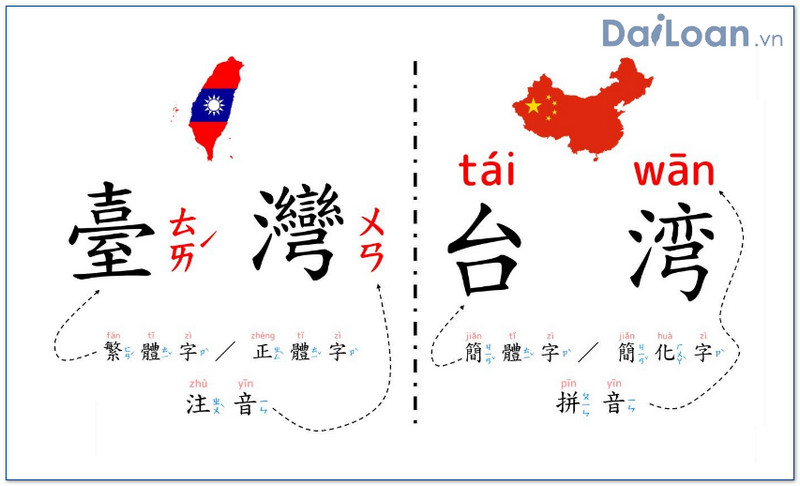
The Chinese word 

Meaning of 盲目 (máng mù)
The term 盲目 (máng mù) translates to “blind” or “blindly” in English. It implies a lack of awareness, insight, or clear vision, both literally and metaphorically. This term is often used to describe a person who acts without understanding or awareness, typically in contexts related to opinion, behavior, or thought processes. For instance, someone might be described as 盲目崇拜 (máng mù chóng bài), meaning “blindly worship,” indicating an uncritical approach to admiration.
Grammatical Structure of 盲目
Word Formation
In terms of grammatical structure, 盲目 (máng mù)
- 盲 (máng): means “blind.”
- 目 (mù): means “eye” or “sight.”
Together, they form a compound word that functions as an adjective or adverb in various sentence structures.
Usage in Sentences
As an adjective, 盲目 can describe a noun, while as an adverb, it can modify verbs. Understanding its placement is crucial for proper sentence construction.
Example Sentences Using 盲目
Adjective Usage
- 在这场辩论中,他的态度是盲目的,没有考虑反对意见。
- 这个计划是盲目推行的,缺乏有效的调查。
Translation:
- In this debate, his attitude is blind, not considering opposing views.
- This plan is being blindly implemented, lacking effective research.
Adverb Usage
- 他盲目地跟随潮流,完全忽视了自己的喜好。
- 许多人盲目相信网络上的信息,不做任何验证。
Translation:
- He is
- Many people blindly believe the information online without any verification.

Conclusion
The term 盲目 (máng mù) is a powerful expression in the Chinese language that highlights the importance of awareness and insight in our actions and beliefs. Whether used to describe a lack of vision in a literal sense or metaphorically in the context of understanding and approach, it serves as a reminder to engage thoughtfully with the world around us. By incorporating 盲目 into your vocabulary, you not only increase your language skills but also enrich your understanding of cultural nuances.


Sứ mệnh của Chuyên là giúp đỡ và truyền cảm hứng cho các bạn trẻ Việt Nam sang Đài Loan học tập, sinh sống và làm việc. Là cầu nối để lan tỏa giá trị tinh hoa nguồn nhân lực Việt Nam đến với Đài Loan và trên toàn cầu.
CÓ THỂ BẠN QUAN TÂM
Du học Đài Loan
Lao Động Đài Loan
Việc Làm Đài Loan
Đơn Hàng Đài Loan
Visa Đài Loan
Du Lịch Đài Loan
Tiếng Đài Loan
KẾT NỐI VỚI CHUYÊN
Zalo: https://zalo.me/0936126566
Website: www.dailoan.vn