


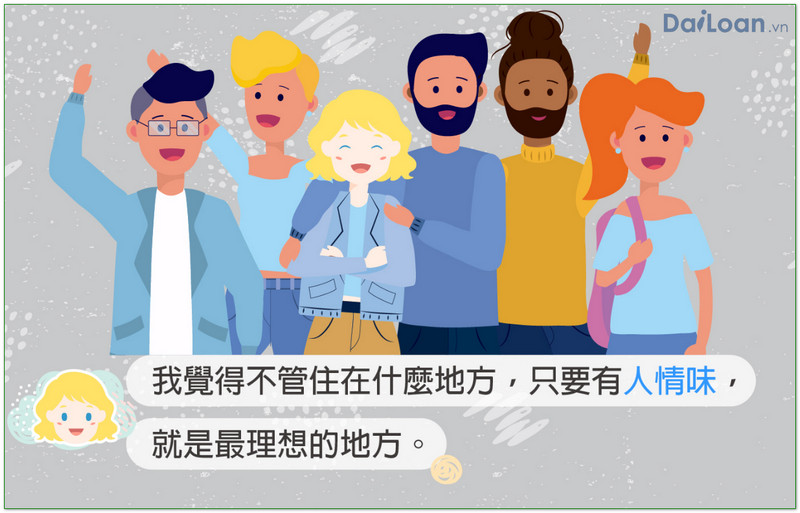
In the realm of Chinese culture, the term 禮節 (lǐ jié) holds significant importance, embodying the intricate web of etiquette that governs interpersonal interactions. This article delves into the meaning of 禮節, its grammatical structure, and provides numerous example sentences to enhance your understanding.
What is 禮節 (lǐ jié)?
The term 禮節 (pronounced lǐ jié) refers to etiquette, manners, or rituals that dictate expected behaviors and customs in social situations. It encompasses a wide range of practices, from how to greet someone and conduct oneself during a meal, to offering gifts and showing respect to elders. Understanding 禮節 is essential for navigating social environments in Chinese culture.
The Importance of 禮節 in Chinese Society
Proper 禮節 is deeply embedded in Chinese tradition and is considered a reflection of one’s upbringing and education. It serves to maintain harmony, respect, and social order, fundamentally shaping how individuals interact within communities. Today, while modern influences may alter some behaviors, the core principles of 禮節 remain relevant and important.
Grammatical Structure of 禮節
When dissecting the term 禮節, we find its grammatical components:
- 禮 (lǐ): This character means “ritual” or “proper conduct,” often associated with Confucian values.
- 節 (jié): This character translates to “regulation,” “section,” or “festival,” referring to a certain standard or method.
Thus, 禮節 together emphasizes a system of rituals and manners that govern social interactions.
Example Sentences Using 禮節
Understanding 禮節

Simple Example Sentences
- 在中國,禮節 是很重要的,因為它體現了對他人的尊重。
- Zhèng zài zhōngguó, lǐ jié shì hěn zhòngyào de, yīnwèi tā tǐxiànle duì tārén de zūnzhòng.
- (In China, etiquette is very important because it reflects respect for others.)
Complex Example Sentences
- 當我們參加婚禮時,遵循 禮節 是對新郎新娘的尊重。
- Dāng wǒmen cānjiā hūnlǐ shí, zūn xún lǐ jié shì duì xīnláng xīnniáng de zūnzhòng.
- (When we attend a wedding, following etiquette is a respect for the bride and groom.)


Conclusion
Understanding 禮節 (lǐ jié) is essential for anyone looking to immerse themselves in Chinese society. From its meaning and grammatical structure to its application in everyday life, 禮節 serves as a foundation for respect, order, and harmony among individuals. By observing and practicing this etiquette, we not only honor Chinese traditions but also foster better relationships across cultural boundaries.


Sứ mệnh của Chuyên là giúp đỡ và truyền cảm hứng cho các bạn trẻ Việt Nam sang Đài Loan học tập, sinh sống và làm việc. Là cầu nối để lan tỏa giá trị tinh hoa nguồn nhân lực Việt Nam đến với Đài Loan và trên toàn cầu.
CÓ THỂ BẠN QUAN TÂM
Du học Đài Loan
Lao Động Đài Loan
Việc Làm Đài Loan
Đơn Hàng Đài Loan
Visa Đài Loan
Du Lịch Đài Loan
Tiếng Đài Loan
KẾT NỐI VỚI CHUYÊN
Zalo: https://zalo.me/0936126566
Website: www.dailoan.vn