



What does 納悶 (nà mèn) mean?
The term 納悶 (nà mèn) can be translated as “baffled,” “perplexed,” or “confused.” It encapsulates a state of mental uncertainty or confusion, often implying the experience of not understanding something or feeling uneasy about an unclear situation. This expression is commonly used in conversational Chinese to convey a sense of being puzzled by events or circumstances.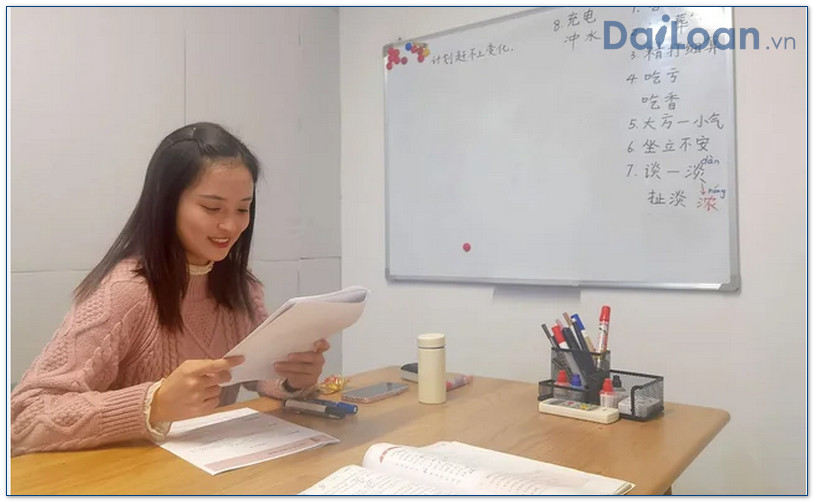

Grammatical Structure of 納悶 (nà mèn)
Breaking Down the Components
納悶 is composed of two characters:
- 納 (nà): This character generally means “to yield” or “to accept.” It lends a sense of receiving or taking in.
- 悶 (mèn)
When combined, 納悶 effectively conveys the idea of accepting a burdensome or troubling feeling that causes confusion or perplexity.
Usage in Sentences
納悶 is primarily used as a verb. Its structure typically follows the subject-verb-object pattern found in Mandarin Chinese syntax. Additionally, it can be used in various tenses by adding auxiliary verbs or time indicators.
Example Sentences Using 納悶
Everyday Conversations
Here are several example sentences that demonstrate how to use 納悶 in different contexts:
- 我對他的決定感到納悶。
(Wǒ duì tā de juédìng gǎndào nà mèn.)
Translation: “I feel baffled by his decision.” - 她為什麼會這樣做?我真的感到納悶。
(Tā wèishéme huì zhèyàng zuò? Wǒ zhēn de gǎndào nà mèn.)
Translation: “Why did she do that? I really feel perplexed.” - 我在這個問題上納悶了很久。
(Wǒ zài zhège wèntí shàng nà mènle hěn jiǔ.)
Translation: “I have been confused about this issue for a long time.” - 聽到這個消息,我有點納悶。
(Tīngdào zhège xiāoxī, wǒ yǒudiǎn nà mèn.)
Translation: “Hearing this news, I am a bit baffled.”
Contextual Usage
納悶 may also be used in more formal or literary contexts. For instance:
- 這幅畫的含義讓我納悶。
(Zhè fú huà de hán yì ràng wǒ nà mèn.)
Translation: “The meaning of this painting leaves me perplexed.” - 在這個複雜的問題上,許多人感到納悶。
(Zài zhège fùzá de wèntí shàng, xǔduō rén gǎndào nà mèn.)
Translation: “On this complex issue, many people feel confused.”
Conclusion
納悶 (nà mèn) is a versatile expression in Chinese that effectively captures feelings of perplexity and confusion. Its use in daily conversations, as well as in more formal contexts, allows fluent speakers to convey deeper emotional responses to various situations. By understanding its meaning, grammatical structure, and application in context, language learners can enhance their ability to communicate nuanced feelings effectively in Chinese.


Sứ mệnh của Chuyên là giúp đỡ và truyền cảm hứng cho các bạn trẻ Việt Nam sang Đài Loan học tập, sinh sống và làm việc. Là cầu nối để lan tỏa giá trị tinh hoa nguồn nhân lực Việt Nam đến với Đài Loan và trên toàn cầu.
CÓ THỂ BẠN QUAN TÂM
Du học Đài Loan
Lao Động Đài Loan
Việc Làm Đài Loan
Đơn Hàng Đài Loan
Visa Đài Loan
Du Lịch Đài Loan
Tiếng Đài Loan
KẾT NỐI VỚI CHUYÊN
Zalo: https://zalo.me/0936126566
Website: www.dailoan.vn