


In the realm of the Chinese language, characters possess rich meanings and intricate grammatical structures. One such character is 紙 (zhǐ)

Meaning of 紙 (zhǐ)
The Chinese character 紙 (zhǐ) primarily means “paper.” However, its significance extends beyond mere material. In cultural contexts, it also symbolizes knowledge, communication, and the creative process. As a noun, it is used extensively in various contexts, from writing and printing to art and crafts.
Grammatical Structure of 紙 (zhǐ)
As with many Chinese characters, 紙 (zhǐ) can act as a noun within a sentence. Understanding its grammatical structure is crucial for effective communication.
Noun Usage
In Chinese, 紙 (zhǐ) functions as a straightforward noun:
- 它是纸。 (Tā shì zhǐ.) – “It is paper.”
- 我需要一些纸。 (Wǒ xūyào yīxiē zhǐ.) – “I need some paper.”
Compound Words
Moreover, 紙 (zhǐ) is often used in compound words, highlighting its versatility. Some common compounds include:
- 信纸 (xìnzhǐ) – Letter paper
- 卫生纸 (wèishēngzhǐ) – Toilet paper
- 复印纸 (fùyìnzhǐ) – Copy paper
Example Sentences Using 紙 (zhǐ)
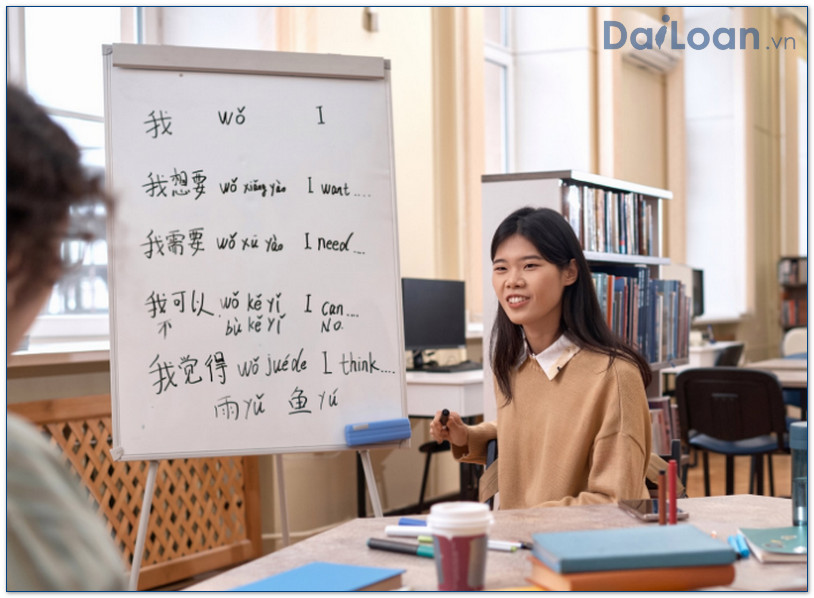
To illustrate how 紙 (zhǐ) is used in context, here are several example sentences:
Everyday Contexts
- 我在商店买了一些纸。 (Wǒ zài shāngdiàn mǎile yīxiē zhǐ.) – “I bought some paper at the store.”
- 请把这张纸给我。 (Qǐng bǎ zhè zhāng zhǐ gěi wǒ.) – “Please give me this piece of paper.”
Artistic Contexts
- 她用纸做了一个花。
- 这些纸上画的画非常美丽。 (Zhèxiē zhǐ shàng huà de huà fēicháng měilì.) – “The paintings on this paper are very beautiful.”

Conclusion
The character 紙 (zhǐ) serves as a fundamental building block in the Chinese language. Its role extends beyond its literal meaning of “paper,” paving the way for a deeper understanding of cultural and communicative practices in Chinese society. Mastering this character opens doors to rich conversations about art, education, and daily life.
Whether you are a student of the language, an enthusiast, or simply curious, familiarizing yourself with characters like 紙 (zhǐ) enhances your proficiency and appreciation of Chinese culture.


Sứ mệnh của Chuyên là giúp đỡ và truyền cảm hứng cho các bạn trẻ Việt Nam sang Đài Loan học tập, sinh sống và làm việc. Là cầu nối để lan tỏa giá trị tinh hoa nguồn nhân lực Việt Nam đến với Đài Loan và trên toàn cầu.
CÓ THỂ BẠN QUAN TÂM
Du học Đài Loan
Lao Động Đài Loan
Việc Làm Đài Loan
Đơn Hàng Đài Loan
Visa Đài Loan
Du Lịch Đài Loan
Tiếng Đài Loan
KẾT NỐI VỚI CHUYÊN
Zalo: https://zalo.me/0936126566
Website: www.dailoan.vn