



What Does ‘經常 (jīngcháng)’ Mean?
The term 經常 (jīngcháng) is an adverb in Chinese that translates to “often,” “usually,” or “frequently” in English. It is commonly used to describe situations or actions that occur repeatedly over time. Understanding the meaning of this word is crucial for expressing frequency in your daily conversations in Chinese.
Grammatical Structure of ‘經常’
In Mandarin Chinese, adverbs such as 經常 (jīngcháng) can be positioned before the main verb. This is essential in maintaining the flow and clarity of sentences. For instance:
- Subject + 經常 + Verb
- Subject + Verb + 經常 (less common)
Examples:
我經常看書。 (Wǒ jīngcháng kàn shū.) - I often read books.他經常遲到。 (Tā jīngcháng chídào.) - He is often late.Positioning within Sentences
When using 經常 (jīngcháng), it’s essential to consider its placement in relation to other time expressions or modifiers. It typically precedes objects. For example:
她經常在公園跑步。 (Tā jīngcháng zài gōngyuán pǎobù.) - She often jogs in the park.Example Sentences Using ‘經常’
To provide a deeper insight into the usage of 經常 (jīngcháng)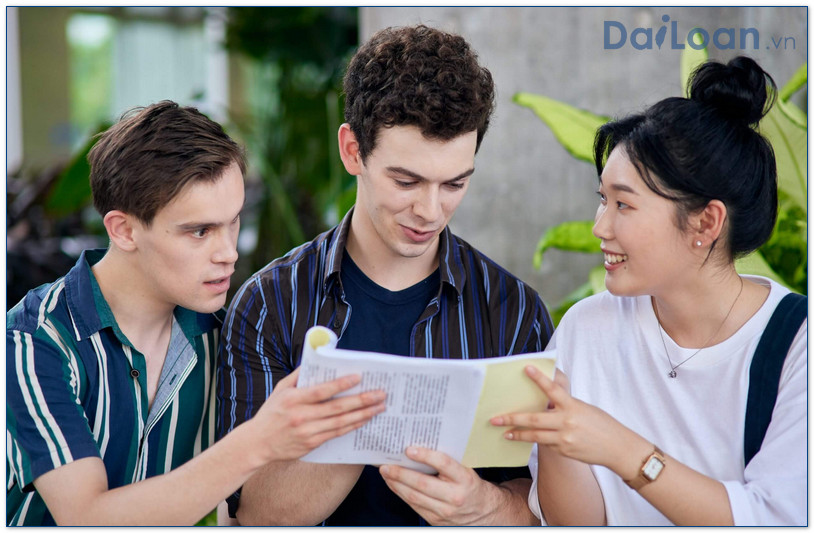

- 我們經常在周末去看電影。 (Wǒmen jīngcháng zài zhōumò qù kàn diànyǐng.) – We often go to the movies on weekends.
- 他經常喝咖啡,一天至少三杯。 (Tā jīngcháng hē kāfēi, yī tiān zhìshǎo sān bēi.) – He often drinks coffee, at least three cups a day.
- 你經常去那家餐廳嗎? (Nǐ jīngcháng qù nà jiā cāntīng ma?) – Do you often go to that restaurant?
- 我經常和朋友聊天。 (Wǒ jīngcháng hé péngyǒu liáotiān.) – I often chat with friends.


Conclusion
Understanding 經常 (jīngcháng) is essential for anyone learning Chinese, as it allows you to describe frequency in a clear and effective way. Its proper use can significantly enhance your conversational skills. As you practice incorporating it into your sentences, don’t forget to pay attention to its grammatical structure and placement within your sentences. The more you use it, the more natural your Chinese will sound!


Sứ mệnh của Chuyên là giúp đỡ và truyền cảm hứng cho các bạn trẻ Việt Nam sang Đài Loan học tập, sinh sống và làm việc. Là cầu nối để lan tỏa giá trị tinh hoa nguồn nhân lực Việt Nam đến với Đài Loan và trên toàn cầu.
CÓ THỂ BẠN QUAN TÂM
Du học Đài Loan
Lao Động Đài Loan
Việc Làm Đài Loan
Đơn Hàng Đài Loan
Visa Đài Loan
Du Lịch Đài Loan
Tiếng Đài Loan
KẾT NỐI VỚI CHUYÊN
Zalo: https://zalo.me/0936126566
Website: www.dailoan.vn