



Introduction
The Chinese language is rich in family terminology, and among them, the terms 舅舅 (jiù jiu) and 舅 (jiù) stand out. This article will delve into their meanings, grammatical structures, and provide example sentences to illustrate their use. By the end of this discussion, readers will gain a clearer understanding of how to incorporate these terms into conversations regarding family.
What Does 舅舅/舅 Mean?
The term 舅舅 (jiù jiu) specifically refers to “maternal uncle.” In Chinese, family roles are distinctly categorized, and 舅舅 (jiù jiu) is used to denote the brother of one’s mother. The simplified version, 舅 (jiù), also refers to the same relationship, but it’s less commonly used in conversation.
Grammatical Structure of 舅舅/舅
Noun Usage
Both 舅舅 and 舅 operate as nouns in sentences. They can function as subjects or objects, depending on the structure of the sentence. For instance:
- 舅舅在家。 (Jiù jiu zài jiā.) – “The maternal uncle is at home.”
- 我去找舅。 (Wǒ qù zhǎo jiù.) – “I’m going to find my uncle.”
Modifiers and Possessive Forms
When using these terms in more complex sentences, modifiers and possessive pronouns often come into play. For example:
- 我的舅舅很幽默。 (Wǒ de jiù jiu hěn yōumò.) – “My maternal uncle is very humorous.”
- 她的舅舅住在哪里? (Tā de jiù jiu zhù zài nǎlǐ?) – “Where does her uncle live?”
Example Sentences Using 舅舅/舅
Everyday Contexts
To make the understanding of 舅舅/舅 more relatable, here are some sentences used in everyday conversations:
- 我每年都去看舅舅。 (Wǒ měi nián dōu qù kàn jiù jiu.) – “I visit my uncle every year.”
- 舅舅和阿姨喜欢旅行。 (Jiù jiu hé āyí xǐhuān lǚxíng.) – “My uncle and aunt love to travel.”
- 我们全家都很喜欢舅舅的菜。 (Wǒmen quán jiā dōu hěn xǐhuān jiù jiu de cài.) – “Our whole family loves my uncle’s cooking.”
In Cultural Contexts
The role of the 舅舅 in Chinese culture extends beyond mere familial relations; it evokes a sense of respect and affection. Here are some additional sentences reflecting this cultural sentiment: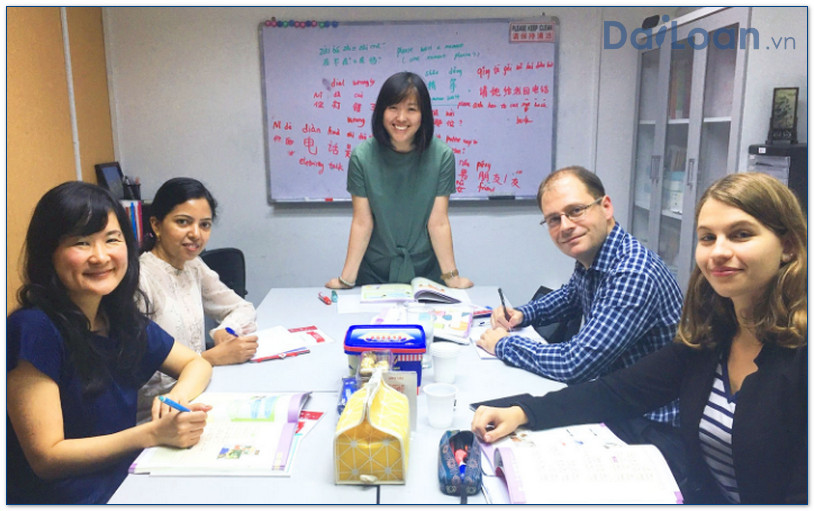

- 舅舅总是给我最好的建议。 (Jiù jiu zǒng shì gěi wǒ zuì hǎo de jiànyì.) – “My uncle always gives me the best advice.”
- 我小时候常常和舅舅玩。 (Wǒ xiǎoshíhòu chángcháng hé jiù jiu wán.) – “I often played with my uncle when I was little.”
Conclusion

In summary, 舅舅 (jiù jiu) and 舅 (jiù) are essential terms in the Chinese language that denote maternal uncles. They hold not just linguistic importance, but also cultural significance in the context of familial relationships. Understanding their grammatical structures and appropriate usage in various contexts can enhance one’s fluency in Chinese and enrich their appreciation of Chinese family dynamics.
Further Learning Resources
To expand your understanding of Chinese family terms and their grammatical uses, consider engaging with Chinese language learning resources such as textbooks, online courses, and language exchange platforms.


Sứ mệnh của Chuyên là giúp đỡ và truyền cảm hứng cho các bạn trẻ Việt Nam sang Đài Loan học tập, sinh sống và làm việc. Là cầu nối để lan tỏa giá trị tinh hoa nguồn nhân lực Việt Nam đến với Đài Loan và trên toàn cầu.
CÓ THỂ BẠN QUAN TÂM
Du học Đài Loan
Lao Động Đài Loan
Việc Làm Đài Loan
Đơn Hàng Đài Loan
Visa Đài Loan
Du Lịch Đài Loan
Tiếng Đài Loan
KẾT NỐI VỚI CHUYÊN
Zalo: https://zalo.me/0936126566
Website: www.dailoan.vn