


In the fascinating realm of the Chinese language, the term 行列 (háng liè) holds significant relevance. This article delves into its meaning, grammatical structure, and usage through practical examples, making it an essential read for language enthusiasts and learners alike.
What Does 行列 (háng liè) Mean?
The term 行列 (háng liè) directly translates to “row and column” in English. It is often used to describe a systematic arrangement or organization of items, people, or data in a grid-like format. The dual nature of the term emphasizes both horizontal (行 – háng) and vertical (列 – liè) alignments, showcasing its versatility in use.
Definitions and Contexts of 行列
- Mathematics: Used to describe matrices and arrays.
- Daily Life: Refers to queues or lines of people and objects.
- Data Management: Pertains to the organization of data in spreadsheets and databases.
The Grammatical Structure of 行列
Understanding the grammatical structure of 行列 (háng liè)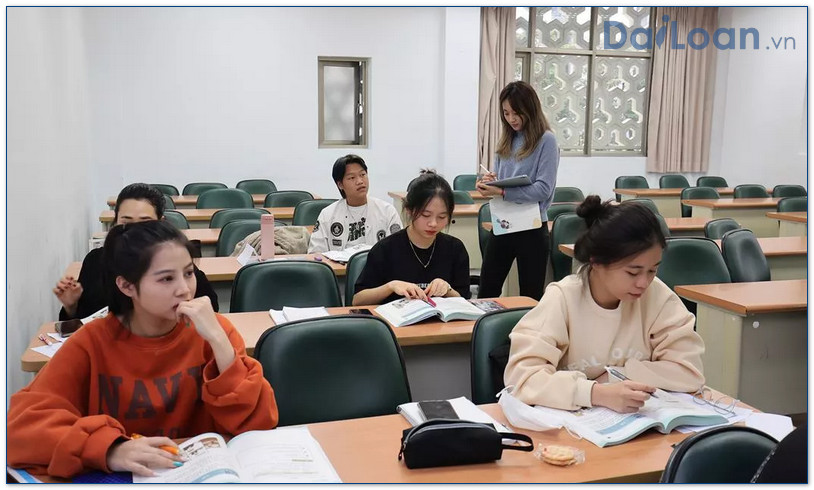

- 行 (háng): This character means “to go” or “to travel” and can imply a horizontal arrangement.
- 列 (liè): This character translates to “to arrange” or “to line up,” indicating a vertical alignment.
When these characters are combined, they serve as a noun that illustrates a collective arrangement, whether it be physical objects or abstract concepts. The term is typically used in conjunction with verbs and adjectives to provide context, such as 排成行列 (pái chéng háng liè), meaning “to arrange in rows and columns.”
Example Sentences Using 行列
Exploring the application of 

Example 1: In the Context of Education
学生们在教室里按行列坐着。(Xuéshēngmen zài jiàoshì lǐ àn háng liè zuòzhe.)
Translation: The students are sitting in rows and columns in the classroom.
Example 2: In Daily Life
我们在商店排成了长长的行列。(Wǒmen zài shāngdiàn pái chéngle cháng cháng de háng liè.)
Translation: We formed a long line at the store.
Example 3: In Mathematics
这个矩阵是由四个行列组成的。(Zhège jǔzhèn shì yóu sì gè háng liè zǔchéng de.)
Translation: This matrix is composed of four rows and columns.
Conclusion
In summary, the term 行列 (háng liè) encapsulates the concept of systematic arrangement in various contexts, from mathematics to everyday life. Its grammatical structure, comprising the characters 行 and 列, allows for versatile usage in sentences, making it a key term for learners of the Chinese language. With a clear understanding and practical examples, you can confidently incorporate 行列 into your vocabulary.


Sứ mệnh của Chuyên là giúp đỡ và truyền cảm hứng cho các bạn trẻ Việt Nam sang Đài Loan học tập, sinh sống và làm việc. Là cầu nối để lan tỏa giá trị tinh hoa nguồn nhân lực Việt Nam đến với Đài Loan và trên toàn cầu.
CÓ THỂ BẠN QUAN TÂM
Du học Đài Loan
Lao Động Đài Loan
Việc Làm Đài Loan
Đơn Hàng Đài Loan
Visa Đài Loan
Du Lịch Đài Loan
Tiếng Đài Loan
KẾT NỐI VỚI CHUYÊN
Zalo: https://zalo.me/0936126566
Website: www.dailoan.vn