



In the rich tapestry of the Chinese language, certain terms encapsulate profound meanings and multifaceted usages. One such term is 話語 (huà yǔ). This article delves into its meaning, grammatical structure, and provides a variety of example sentences to illustrate its usage effectively. Whether you’re a student of the language or simply interested in linguistic nuances, this guide aims to shed light on the term 話語.
What Does 話語 (huà yǔ) Mean?
The term 話語 (huà yǔ) translates to “language” or “speech.” It is often used to refer to spoken language in a broader sense, encompassing not just the words spoken but also the context and the nuances that accompany them. In various settings, 話語 can denote discourse, conversation, or dialogue—essentially any form of communicative interaction involving spoken words.
The Components of 話語
話語 is comprised of two main characters:
- 話 (huà): This character means “speech” or “talk.” It is associated with expression through words.
- 語 (yǔ): This character signifies “language” or “speech” as well, emphasizing the linguistic aspect.
Together, 話語 represents the act of communicating through spoken language, highlighting both the content and the method of conveyance.
The Grammatical Structure of 話語
In terms of grammatical structure, 話語 (huà yǔ) operates primarily as a noun, representing the concept of speech or language. Here are key points to consider regarding its grammatical usage:
Noun Usage
As a noun, 話語 can be used in various syntactical formations. It can function as the subject, object, or complement of a sentence. For instance:
- 作為主語 (As a subject): 話語是我們交流的工具。(Language is a tool for our communication.)
- 作為賓語 (As an object): 我喜歡學習各種話語。(I enjoy learning various languages.)
- 作為補語 (As a complement): 她的話語十分清晰。(Her speech is very clear.)
Example Sentences Using 話語
To better understand the application of 話語 in conversation and writing, here are several illustrative examples:
Example 1
他用流利的話語表達了自己的觀點。
Translation: He expressed his viewpoint in fluent speech.
Example 2
在會議上,我們需要使用專業的話語。
Translation: In the meeting, we need to use professional language.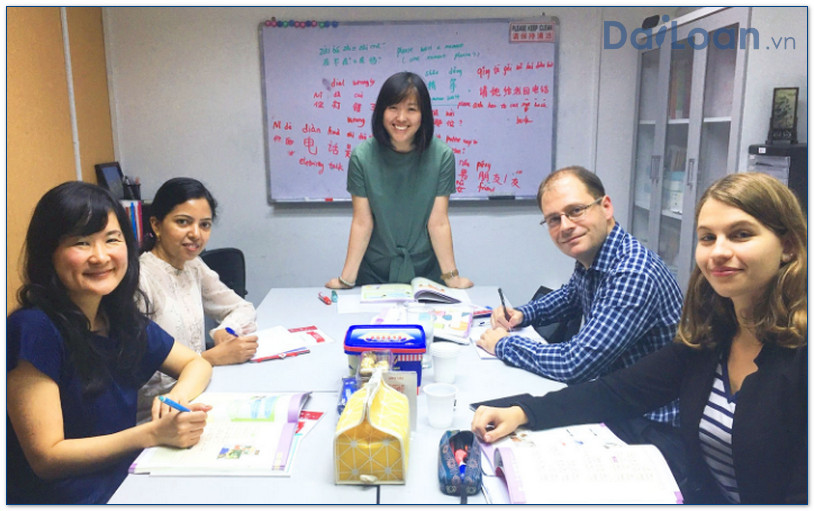

Example 3
這本書探討了古代中國的話語文化。
Translation: This book explores the culture of speech in ancient China.
Example 4
語言的力量在於它的話語。
Translation:
Example 5
在不同的文化中,話語的使用方式各有不同。
Translation: In different cultures, the way language is used varies greatly.
Conclusion
In conclusion, 話語 (huà yǔ) is a fundamental term reflecting the significance of spoken language in communication. By understanding its meaning, grammatical structure, and practical applications, learners can enhance their proficiency in both spoken and written Chinese. The provided example sentences illustrate how 話語 can be integrated into various contexts, enriching your understanding of Chinese discourse. As you continue your journey with the Chinese language, remember that every term holds the key to deeper connections and expressions.


Sứ mệnh của Chuyên là giúp đỡ và truyền cảm hứng cho các bạn trẻ Việt Nam sang Đài Loan học tập, sinh sống và làm việc. Là cầu nối để lan tỏa giá trị tinh hoa nguồn nhân lực Việt Nam đến với Đài Loan và trên toàn cầu.
CÓ THỂ BẠN QUAN TÂM
Du học Đài Loan
Lao Động Đài Loan
Việc Làm Đài Loan
Đơn Hàng Đài Loan
Visa Đài Loan
Du Lịch Đài Loan
Tiếng Đài Loan
KẾT NỐI VỚI CHUYÊN
Zalo: https://zalo.me/0936126566
Website: www.dailoan.vn