



In the beautiful realm of the Chinese language, the term “說話 (shuōhuà)” plays a pivotal role in communication. For learners and enthusiasts alike, understanding its meaning, grammatical structure, and usage can enhance your Mandarin skills tremendously. In this article, we will delve into these aspects comprehensively.
What Does “說話 (shuōhuà)” Mean?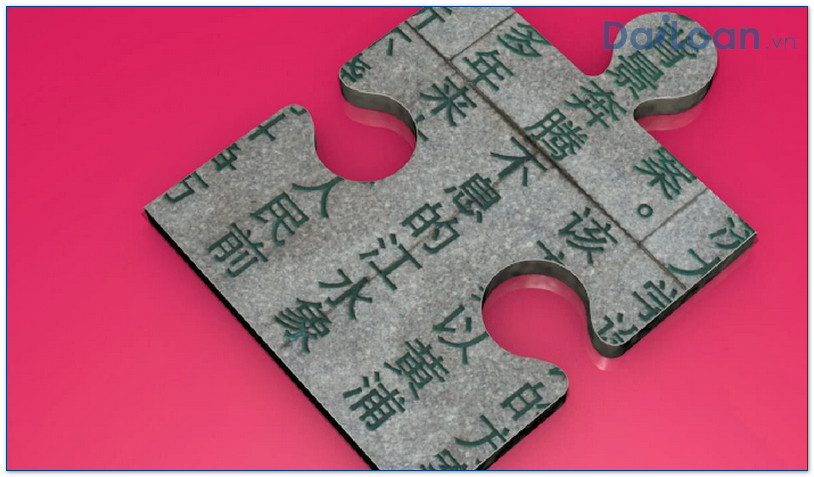

The term “說話 (shuōhuà)” translates directly to “speak” or “talk” in English. It is a compound word where “說 (shuō)” means “to speak” or “to say,” and “話 (huà)” means “language” or “speech.” Together, they encapsulate the act of verbal communication. This term is widely used in daily conversations, making it fundamental for anyone learning Mandarin.
Pronunciation and Usage
Phonetically, “說話” is pronounced as /ʃuóˈhuà/, where the first syllable has a rising tone and the second syllable has a falling tone. Using this term appropriately can convey a variety of meanings depending on the context. For example, it can imply casual conversation, formal speech, or even the act of expressing thoughts verbally.
Grammatical Structure of “說話 (shuōhuà)”
Understanding the grammatical structure of “說話” can enhance the clarity of communication in Mandarin. The term is a verb phrase, and its structure can be analyzed in the following way:
Components of “說話”: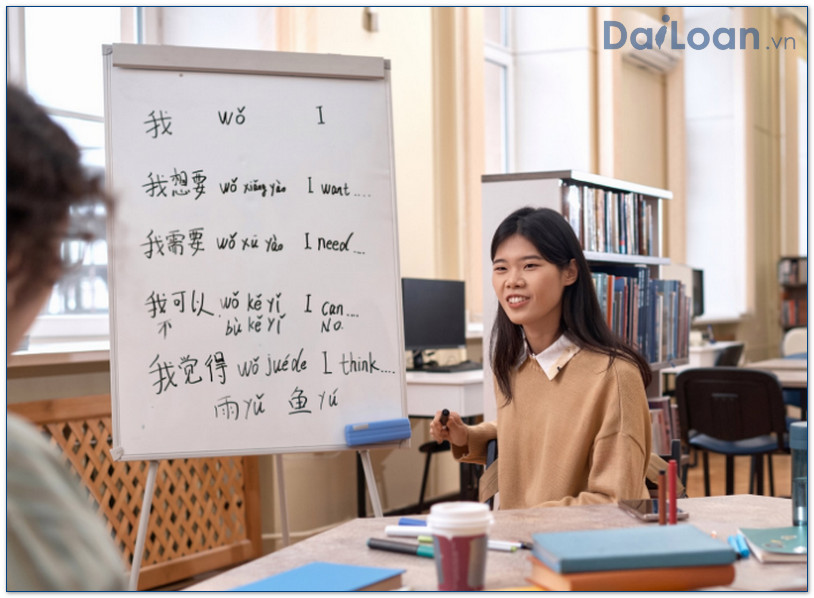

- 說 (shuō): This is a verb meaning “to speak.” It can be used independently or as part of a compound structure.
- 話 (huà): A noun meaning “speech” or “language,” complementing the verb to express an action related to verbal communication.
Sentence Structure
In Mandarin, the common sentence structure is Subject + Verb + Object. “說話” fits into this structure as a verb, allowing for various sentence formations. For instance:
- Subject + 說話 + Object: 我愛說話 (Wǒ ài shuōhuà) – “I love to talk.”
- Subject + 不 + 說話:他不會說話 (Tā bù huì shuōhuà) – “He cannot speak.”
Example Sentences Using “說話 (shuōhuà)”
To master the use of “說話,” it’s crucial to see it in various contexts. Here are several example sentences that illustrate its versatility:
Formal Contexts
- 我們需要在會議上說話。(Wǒmen xūyào zài huìyì shàng shuōhuà.) – “We need to speak at the meeting.”
- 她說話的方式很專業。(Tā shuōhuà de fāngshì hěn zhuānyè.) – “Her way of speaking is very professional.”
Informal Contexts
- 你可以隨便說話。(Nǐ kěyǐ suíbiàn shuōhuà.) – “You can talk casually.”
- 昨天我們一起說話,聊得很開心。(Zuótiān wǒmen yīqǐ shuōhuà, liáo dé hěn kāixīn.) – “Yesterday we talked together and had a great time.”
Descriptive Contexts
- 他的說話讓我感到放鬆。(Tā de shuōhuà ràng wǒ gǎndào fàngsōng.) – “His speaking makes me feel relaxed.”
- 說話時要注意語氣。(Shuōhuà shí yào zhùyì yǔqì.) – “Pay attention to your tone when speaking.”
Conclusion
In conclusion, “說話 (shuōhuà)” is an essential term in the Chinese language that encompasses the action of speaking or talking. By grasping its meaning, grammatical structure, and various usages, learners can enrich their understanding and fluency in Mandarin. Whether in formal settings or casual conversations, mastering the use of “說話” opens up a world of communication possibilities.
As with any language, practice is key. Engage in conversations, utilize the example sentences provided, and don’t hesitate to incorporate this term into your daily interactions. Happy learning!


Sứ mệnh của Chuyên là giúp đỡ và truyền cảm hứng cho các bạn trẻ Việt Nam sang Đài Loan học tập, sinh sống và làm việc. Là cầu nối để lan tỏa giá trị tinh hoa nguồn nhân lực Việt Nam đến với Đài Loan và trên toàn cầu.
CÓ THỂ BẠN QUAN TÂM
Du học Đài Loan
Lao Động Đài Loan
Việc Làm Đài Loan
Đơn Hàng Đài Loan
Visa Đài Loan
Du Lịch Đài Loan
Tiếng Đài Loan
KẾT NỐI VỚI CHUYÊN
Zalo: https://zalo.me/0936126566
Website: www.dailoan.vn