


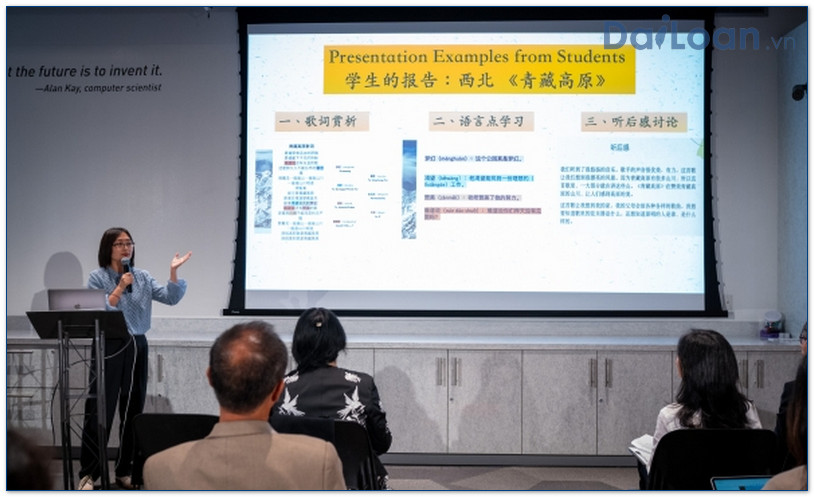
In the study of the Chinese language, grasping the nuances of vocabulary is essential for effective communication. One such important term is 

What Does 課堂 (kè táng) Mean?
課堂 (kè táng) is a compound word in the Chinese language composed of two characters: 課 (kè) and 堂 (táng). The first character, 課 (kè), refers to lessons or courses, while the second character, 堂 (táng), denotes a hall or room. Together, they signify a designated place for learning and instruction, commonly known as a classroom.
Grammatical Structure of 課堂
The term 課堂 (kè táng) is a noun phrase that can be used in various grammatical contexts within the Chinese language. Understanding its structure will aid learners in constructing coherent sentences. Below are some relevant grammatical points:
Noun Usage

As a noun, 課堂 can be used to denote the physical space where teaching occurs or the broader concept of class:
- Example: 我今天去課堂上課。(Wǒ jīntiān qù kètáng shàngkè.) – “I am going to class today.”
Possessive Form
To express possession, the structure “的 (de)” is often added:
- Example: 我的課堂非常有趣。(Wǒ de kètáng fēicháng yǒuqù.) – “My classroom is very interesting.”
Used in Compound Sentences
課堂 can be integrated into more complex sentences to convey various contexts:
- Example: 今天的課堂討論了一個重要的主題。(Jīntiān de kètáng tǎolùnle yīgè zhòngyào de zhǔtí.) – “Today’s class discussed an important topic.”
Example Sentences Using 課堂
To solidify your understanding of 課堂 (kè táng), here are several example sentences illustrating its usage in context:
Basic Usage
- 我們每週有五次課堂。(Wǒmen měi zhōu yǒu wǔ cì kètáng.) – “We have five classes every week.”
- 課堂上有很多學生。(Kètáng shàng yǒu hěn duō xuéshēng.) – “There are many students in the classroom.”
Describing Activities in the Classroom

- 老師在課堂上教我們新的語法。(Lǎoshī zài kètáng shàng jiào wǒmen xīn de yǔfǎ.) – “The teacher teaches us new grammar in class.”
- 我們在課堂上做了小組討論。(Wǒmen zài kètáng shàng zuòle xiǎozǔ tǎolùn.) – “We had a group discussion in class.”
Expressing Opinions About the Classroom
- 這個課堂的氛圍非常好。(Zhège kètáng de fēnwéi fēicháng hǎo.) – “The atmosphere of this classroom is very good.”
- 我喜歡在課堂上和同學互動。(Wǒ xǐhuān zài kètáng shàng hé tóngxué hùdòng.) – “I enjoy interacting with classmates in the classroom.”
Conclusion
Understanding the meaning and usage of 課堂 (kè táng) is vital for anyone looking to learn Chinese effectively. By studying its grammatical structure and reviewing example sentences, you can enrich your vocabulary and enhance your conversational skills. Whether you’re a student stepping into a classroom for the first time or looking to refine your language skills, mastering this term will pave the way for further exploration of the Chinese language and culture.


Sứ mệnh của Chuyên là giúp đỡ và truyền cảm hứng cho các bạn trẻ Việt Nam sang Đài Loan học tập, sinh sống và làm việc. Là cầu nối để lan tỏa giá trị tinh hoa nguồn nhân lực Việt Nam đến với Đài Loan và trên toàn cầu.
CÓ THỂ BẠN QUAN TÂM
Du học Đài Loan
Lao Động Đài Loan
Việc Làm Đài Loan
Đơn Hàng Đài Loan
Visa Đài Loan
Du Lịch Đài Loan
Tiếng Đài Loan
KẾT NỐI VỚI CHUYÊN
Zalo: https://zalo.me/0936126566
Website: www.dailoan.vn