



In the realm of Chinese language, the word 轉動 (zhuǎn dòng) captures a dynamic essence that relates to movement and rotation. This article delves into its meaning, grammatical structure, and provides several example sentences to enhance your understanding and usage of this term.
Meaning of 轉動 (zhuǎn dòng)
The term 轉動 (zhuǎn dòng) consists of two characters:
- 轉 (zhuǎn): to turn or to revolve
- 動 (dòng): to move or to act
Together, 轉動 can be translated as “to rotate” or “to turn.” It signifies a physical or metaphorical act of movement, often relating to objects changing their position or orientation.
Grammatical Structure of 轉動
In terms of grammar, 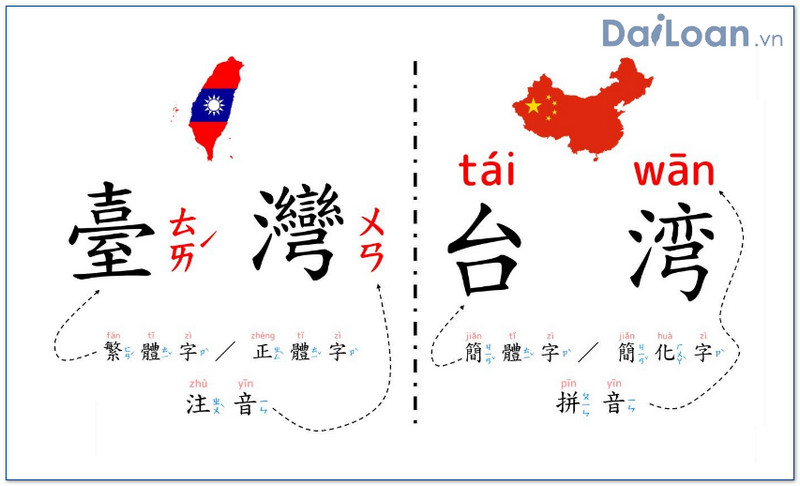

Verb Usage
As a verb, 轉動 can stand alone or be used in conjunction with other nouns and pronouns to indicate the action of rotating. It can be employed in different tenses depending on the context:
- Present: 我在轉動車輪 (Wǒ zài zhuǎn dòng chēlún) – I am rotating the wheel.
- Past: 她轉動了那個球 (Tā zhuǎn dòngle nàge qiú) – She rotated that ball.
- Future: 他會轉動這個裝置 (Tā huì zhuǎn dòng zhège zhuāngzhì) – He will rotate this device.
Compound Structures
轉動 can also be integrated into compounds to create more complex phrases. For example:
- 轉動加速器 (zhuǎn dòng jiā sù qì) – rotation accelerators
- 轉動方向 (zhuǎn dòng fāng xiàng) – rotation direction
Example Sentences Using 轉動
Here are some sentences that illustrate how 轉動 (zhuǎn dòng) can be used in different contexts:
Everyday Contexts

- 這個機器的轉動非常平穩。 (Zhège jīqì de zhuǎn dòng fēicháng píngwěn.) – The rotation of this machine is very smooth.
- 轉動手柄以改變方向。 (Zhuǎn dòng shǒubǐng yǐ gǎibiàn fāngxiàng.) – Rotate the handle to change direction.
Scientific Contexts
- 地球的轉動造成了四季的變化。 (Dìqiú de zhuǎn dòng zàochéngle sìjì de biànhuà.) – The rotation of the Earth causes the change of seasons.
- 這種實驗需要仔細觀察物體的轉動。 (Zhè zhǒng shíyàn xūyào zǐxì guānchá wùtǐ de zhuǎn dòng.) – This experiment requires careful observation of the rotation of the object.
Metaphorical Usage
- 在思想上,轉動你的觀點可以幫助你看到問題的另一面。 (Zài sīxiǎng shàng, zhuǎn dòng nǐ de guāndiǎn kěyǐ bāngzhù nǐ kàn dào wèntí de lìng yī miàn.) – Mentally turning your perspective can help you see another side of the issue.
- 如果我們不轉動思維,我們將停滯不前。 (Rúguǒ wǒmen bù zhuǎn dòng sīwéi, wǒmen jiāng tíngzhì bù qián.) – If we do not rotate our thinking, we will remain stagnant.
Conclusion
In summary, the term 轉動 (zhuǎn dòng) encompasses various meanings and usages within the Chinese language. Understanding its grammatical structure and exploring practical examples can help learners effectively incorporate this term in their communication. Whether in everyday conversation, scientific discussions, or metaphorical expressions, mastering 轉動 can enhance your proficiency in Chinese significantly.


Sứ mệnh của Chuyên là giúp đỡ và truyền cảm hứng cho các bạn trẻ Việt Nam sang Đài Loan học tập, sinh sống và làm việc. Là cầu nối để lan tỏa giá trị tinh hoa nguồn nhân lực Việt Nam đến với Đài Loan và trên toàn cầu.
CÓ THỂ BẠN QUAN TÂM
Du học Đài Loan
Lao Động Đài Loan
Việc Làm Đài Loan
Đơn Hàng Đài Loan
Visa Đài Loan
Du Lịch Đài Loan
Tiếng Đài Loan
KẾT NỐI VỚI CHUYÊN
Zalo: https://zalo.me/0936126566
Website: www.dailoan.vn