


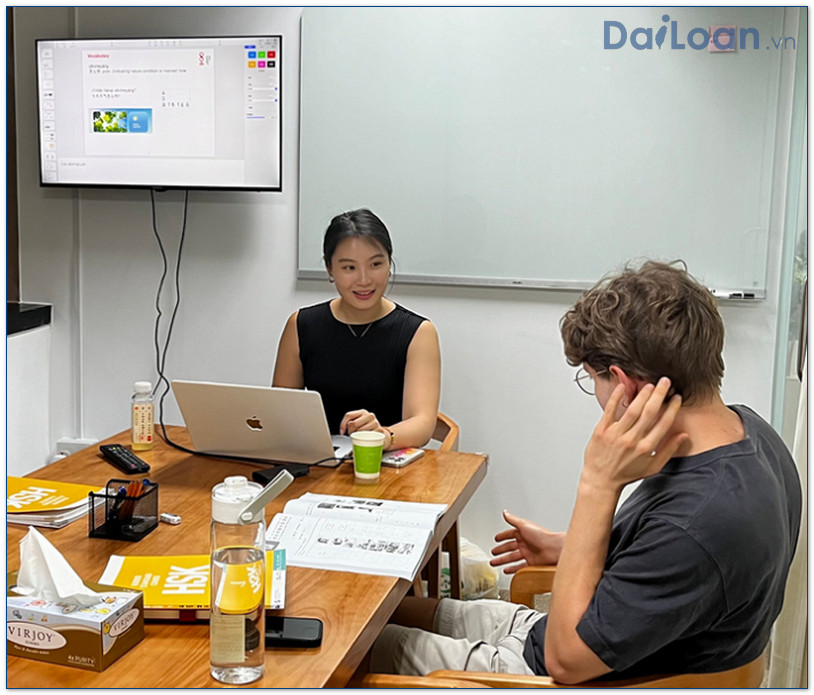
What Does 進步 (jìnbù) Mean?
The Chinese term 進步 (jìnbù) translates to “progress” or “improvement” in English. It is commonly used to describe advancements in various fields, including personal development, education, technology, and social changes. The usage of this word conveys a positive connotation, suggesting growth, enhancement, or betterment in a particular aspect of life.
Grammatical Structure of 進步
To understand the grammatical structure of 進步, we need to analyze its components. The term consists of two characters:
- 進 (jìn): meaning “to advance” or “to move forward.”
- 步 (bù): meaning “step” or “pace.”
Together, they literally embody the idea of “moving forward step by step,” highlighting the gradual nature of progress. In terms of parts of speech, 進步 functions primarily as a noun, but it can also be used as a verb in certain contexts.
Usage as a Noun
When used as a noun, 進步 refers to the concept of progress. For example:
他在學習上有了很大的進步。
(Tā zài xuéxí shàng yǒule hěn dà de jìnbù.)
He has made great progress in his studies.
Usage as a Verb
In some instances, 進步 can be used as a verb, implying the act of improving oneself or one’s situation:
希望大家都能進步。
(Xīwàng dàjiā dōu néng jìnbù.)
I hope everyone can make progress.


Example Sentences Using 進步
In Everyday Contexts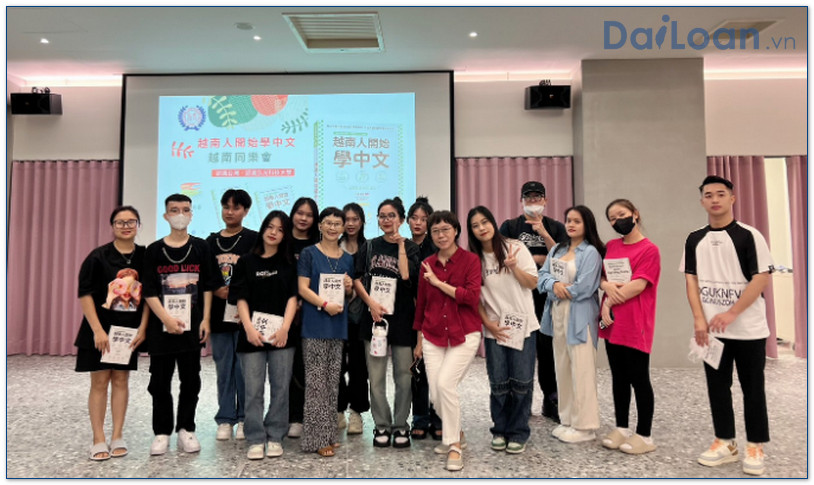

Here are some examples that illustrate how 進步 is used in different contexts:
- 我的中文進步很快。
(Wǒ de zhōngwén jìnbù hěn kuài.)
My Chinese is improving quickly. - 這個計劃的實施將會有助於我們的經濟進步。
(Zhège jìhuà de shíshī jiāng huì yǒuzhù yú wǒmen de jīngjì jìnbù.)
The implementation of this plan will contribute to our economic progress.
In Professional Settings
The term 進步 is also widely used in professional contexts to signify advancements in career or industry:
- 我們的團隊在專案上有了顯著進步。
(Wǒmen de tuánduì zài zhuānjiàn shàng yǒule xiǎnzhù jìnbù.)
Our team has made significant progress on the project. - 這項技術不斷創新,推動了行業的進步。
(Zhè xiàng jìshù bùduàn chuàngxīn, tuīdòngle xíngyè de jìnbù.)
This technology continuously innovates, driving progress in the industry.
Conclusion
In summary, 進步 (jìnbù) is a powerful term in the Chinese language that encompasses the idea of progress and improvement across various domains. Understanding its meaning and grammatical structure enhances our ability to communicate effectively in both personal and professional contexts. As you continue to learn Chinese, incorporating terms like 進步 into your vocabulary can significantly enrich your language skills.




Sứ mệnh của Chuyên là giúp đỡ và truyền cảm hứng cho các bạn trẻ Việt Nam sang Đài Loan học tập, sinh sống và làm việc. Là cầu nối để lan tỏa giá trị tinh hoa nguồn nhân lực Việt Nam đến với Đài Loan và trên toàn cầu.
CÓ THỂ BẠN QUAN TÂM
Du học Đài Loan
Lao Động Đài Loan
Việc Làm Đài Loan
Đơn Hàng Đài Loan
Visa Đài Loan
Du Lịch Đài Loan
Tiếng Đài Loan
KẾT NỐI VỚI CHUYÊN
Zalo: https://zalo.me/0936126566
Website: www.dailoan.vn