


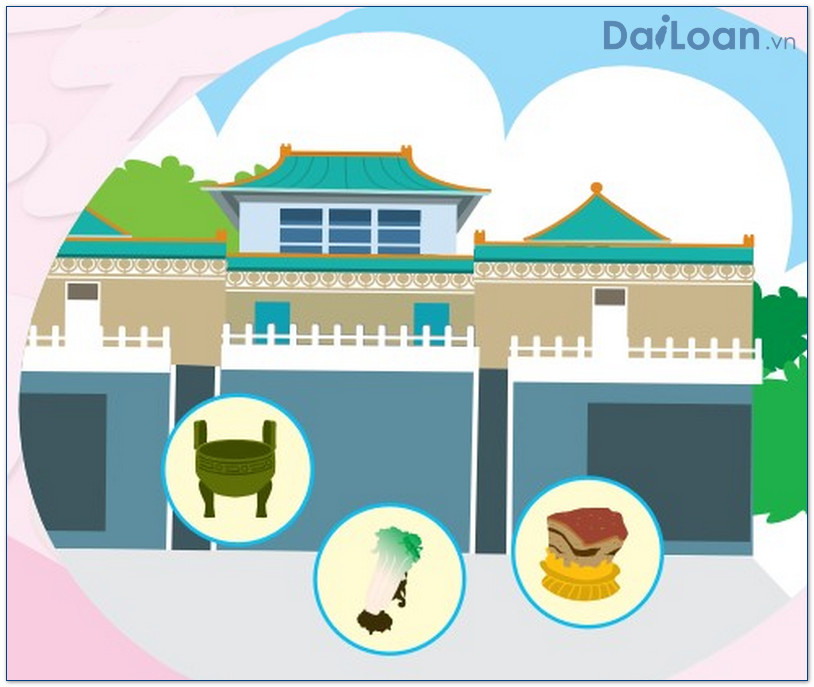
The Chinese word 門票 (ménpiào) translates to ticket


Meaning of ‘門票 (ménpiào)’
門票 (ménpiào) is composed of two characters: 門 (mén), meaning door or gate, and 票 (piào), meaning ticket or voucher. Together, they literally mean the ticket to a door, which signifies a pass or entry document required to access a venue. This could refer to anything from a concert ticket to an entry ticket for museums or parks.
Grammatical Structure of ‘門票 (ménpiào)’
The grammatical structure of 門票 is straightforward, as it follows a basic noun formation in Chinese. Here, it functions primarily as a noun.
Breakdown of the Characters
- 門 (mén): This character signifies a door or an entrance. It often appears in various contexts related to access and entry.
- 票 (piào): This character conveys the meaning of a ticket, pass, or stamp that is generally used for entry, offsetting costs, or identification.
Using ‘門票 (ménpiào)’ in Example Sentences
Basic Sentences
Here are some examples illustrating how to use 門票 in different contexts:
- 我买了两张门票。(Wǒ mǎile liǎng zhāng ménpiào.)
Translation: I bought two tickets. - 这个博物馆的门票很贵。(Zhège bówùguăn de ménpiào hěn guì.)
Translation: The admission ticket for this museum is very expensive. - 你拿到门票了吗?(Nǐ ná dào ménpiào le ma?)
Translation: Did you get the ticket?
Contextual Usage
Here are sentences pertaining to various scenarios:
- 为了参加演唱会,我提前预订了门票。(Wèile cānjiā yǎnchànghuì, wǒ tíqián yùdìngle ménpiào.)
Translation: I booked the tickets in advance to attend the concert. - 在游乐园,门票包括多个游乐设施。(Zài yóulèyuán, ménpiào bāokuò duō gè yóulè shèshī.)
Translation: At the amusement park, the ticket includes multiple attractions. - 你需要门票来进这个展览。(Nǐ xūyào ménpiào lái jìn zhège zhǎnlǎn.)
Translation: You need a ticket to enter this exhibition.
Common Questions
It is common to hear inquiries regarding tickets, especially on platforms where events are discussed. Here are some examples:
- 这个门票是在哪儿买的?(Zhège ménpiào shì zài nǎr mǎi de?)
Translation: Where did you buy this ticket? - 我们需要提前购买门票吗?(Wǒmen xūyào tíqián gòumǎi ménpiào ma?)
Translation: Do we need to buy tickets in advance?
Conclusion
In conclusion, the term 門票 (ménpiào) is essential for navigating social and cultural experiences in China. Understanding how to use this term properly will enhance your communication skills in Chinese contexts related to events, transportation, and admission to venues. With the examples provided, learners can confidently incorporate 門票 into their vocabulary. Embrace the world of Chinese language learning, and you’ll find yourself better equipped to explore the rich experiences it offers!



Sứ mệnh của Chuyên là giúp đỡ và truyền cảm hứng cho các bạn trẻ Việt Nam sang Đài Loan học tập, sinh sống và làm việc. Là cầu nối để lan tỏa giá trị tinh hoa nguồn nhân lực Việt Nam đến với Đài Loan và trên toàn cầu.
CÓ THỂ BẠN QUAN TÂM
Du học Đài Loan
Lao Động Đài Loan
Việc Làm Đài Loan
Đơn Hàng Đài Loan
Visa Đài Loan
Du Lịch Đài Loan
Tiếng Đài Loan
KẾT NỐI VỚI CHUYÊN
Zalo: https://zalo.me/0936126566
Website: www.dailoan.vn