


In the Chinese language, understanding single characters and their combinations can unlock a world of meaning. One such intriguing term is 开花 (kāi huā), a phrase that directly translates to “to bloom” or “to flower.” In this article, we delve into the complete meaning of 开花, its grammatical structure, and provide you with practical example sentences to help you use this term effectively in your conversations.
The Meaning of 開花 (kāi huā)
The phrase 开花 (kāi huā) is composed of two characters: 开 (kāi) and 花 (huā). The meaning of each character adds depth to the phrase:
- 开 (kāi): This character means “to open” or “to begin.” It signifies a process or action of initiation.

- 花 (huā): This character means “flower.” It refers not only to the literal flowers but also symbolizes beauty and nature’s bounty.

When combined, 開花 (kāi huā) conveys the idea of flowers opening up, which often metaphorically represents growth, development, or the blossoming of ideas and opportunities.
Grammatical Structure of 開花 (kāi huā)
Understanding the grammatical structure of 開花 can be beneficial for Chinese language learners. Here’s a breakdown of its usage:
1. Part of Speech
開花 (kāi huā) is primarily used as a verb. It indicates an action and can be used in various tenses depending on additional context.
2. Sentence Structure
In Chinese, the basic sentence structure follows the Subject-Verb-Object (SVO) order. When using 開花, it typically follows the subject and precedes the object. Here’s an example:
- Subject: 这朵花 (zhè duǒ huā – this flower)
- Verb: 开花 (kāi huā – blooms)
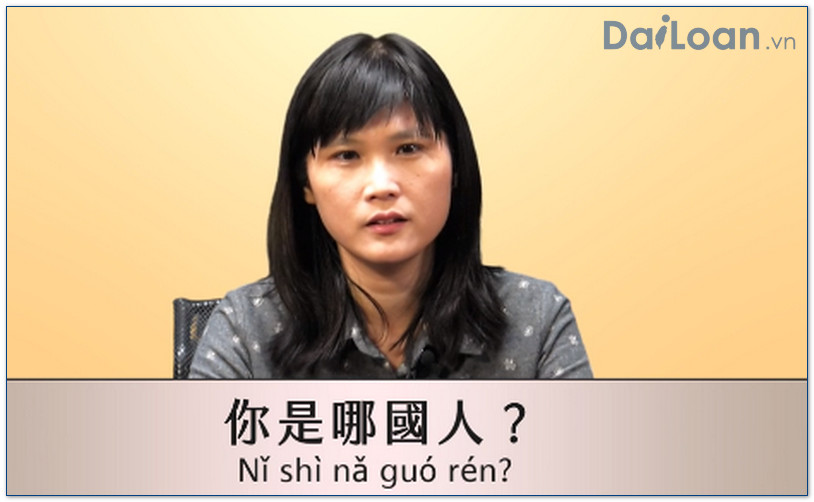
- Complete Sentence: 这朵花开花了。(Zhè duǒ huā kāi huā le.) – This flower has bloomed.

Example Sentences Using 開花
To help you understand how to use 開花 in different contexts, here are several example sentences:
1. Literal Use
- 春天来了,花园里的花都开花了。(Chūntiān lái le, huāyuán lǐ de huā dōu kāi huā le.)
- Translation: Spring has arrived, and all the flowers in the garden have bloomed.
2. Metaphorical Use
- 他的才华在这次比赛中终于开花了。(Tā de cáihuá zài zhè cì bǐsài zhōng zhōngyú kāi huā le.)
- Translation: His talent finally blossomed in this competition.
3. Future Tense
- 明年春天,这些种子应该就会开花。(Míngnián chūntiān, zhèxiē zhǒngzǐ yīnggāi jiù huì kāi huā.)
- Translation: These seeds should bloom next spring.
Conclusion
Understanding 开花 (kāi huā) enriches your vocabulary and enhances your ability to express growth, beauty, and potential in both literal and metaphorical contexts. Whether discussing nature or personal achievements, the phrase can add depth to your conversations. Keep practicing with the example sentences provided and look for opportunities to incorporate 開花 into your daily language use. With time, you’ll find that this term not only blooms in your vocabulary but also in your grasp of the beautiful Chinese language.


Sứ mệnh của Chuyên là giúp đỡ và truyền cảm hứng cho các bạn trẻ Việt Nam sang Đài Loan học tập, sinh sống và làm việc. Là cầu nối để lan tỏa giá trị tinh hoa nguồn nhân lực Việt Nam đến với Đài Loan và trên toàn cầu.
CÓ THỂ BẠN QUAN TÂM
Du học Đài Loan
Lao Động Đài Loan
Việc Làm Đài Loan
Đơn Hàng Đài Loan
Visa Đài Loan
Du Lịch Đài Loan
Tiếng Đài Loan
KẾT NỐI VỚI CHUYÊN
Zalo: https://zalo.me/0936126566
Website: www.dailoan.vn