


1. Meaning of 陽台/陽臺
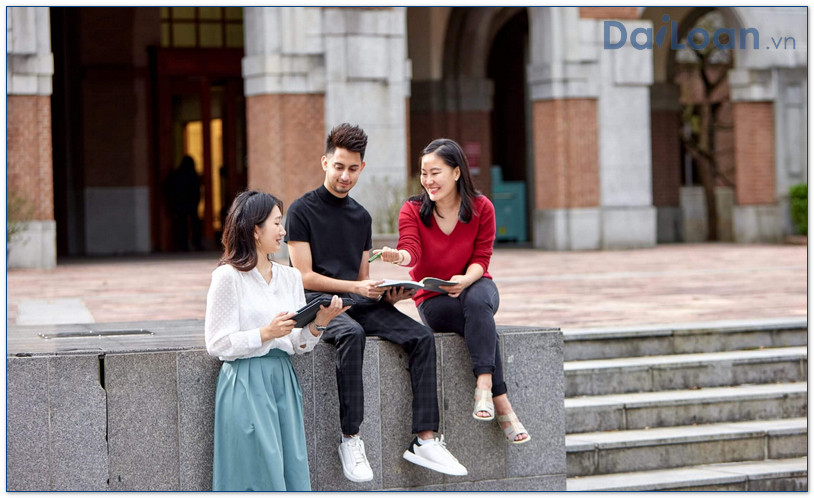
陽台 (yáng tái) translates to “balcony” or “veranda” in English. It refers to an outdoor platform that is typically attached to a building and is often situated above the ground floor. 陽台 provides a space for relaxation, socializing, and enjoying open air. In many Chinese homes, especially in urban settings, it serves as a crucial link between indoor living spaces and the outdoors.
2. Grammatical Structure of 陽台/陽臺

The term 陽台 is composed of two characters:
- 陽 (yáng): This character means “sun” or “positive.” It indicates brightness, warmth, and is associated with outdoor light.
- 台 (tái): This character can mean “platform” or “stand,” often implying a raised or elevated structure.
When combined, 陽台 (yáng tái) literally suggests a “sun platform,” thus perfectly describing a balcony that receives sunlight, making it an ideal spot to sit and enjoy the day. Grammatical-wise, 陽台 functions as a noun in sentences, referring to the physical structure itself.
3. Example Sentences Using 陽台/陽臺
3.1 Simple Sentences
- 我在陽台上喝茶。(Wǒ zài yáng tái shàng hē chá.) – I drink tea on the balcony.
- 陽台上有很多花。(Yáng tái shàng yǒu hěn duō huā.) – There are many flowers on the balcony.
3.2 Complex Sentences
- 每當天氣晴朗時,我喜歡在陽台上閱讀。(Měi dāng tiān qì qíng lǎng shí, wǒ xǐ huān zài yáng tái shàng yuè dú.) – Whenever the weather is clear, I enjoy reading on the balcony.
- 陽台不僅是一個放鬆的地方,還可以用來舉辦小聚會。(Yáng tái bù jǐn shì yī gè fàng sōng de dì fāng, hái kě yǐ yòng lái jǔ bàn xiǎo jù huì.) – The balcony is not only a place for relaxation but can also be used to host small gatherings.

3.3 Cultural Context and Usage
In Chinese culture, the balcony (陽台) is often adorned with plants and flowers, signifying a connection with nature and a peaceful home environment. It serves as a vital outdoor space, allowing families to enjoy gatherings, celebrate festivals, or simply enjoy moments of solitude away from the bustling city life.
Conclusion
陽台 (yáng tái) is more than just a physical structure; it embodies a cultural aspect of Chinese living that celebrates openness and connection with nature. Understanding the meaning, grammatical structure, and practical usage of 陽台 can enrich your knowledge of the Chinese language and its application in daily life.
Whether you’re learning Chinese for travel, study, or personal enrichment, grasping terms like 陽台 helps build a practical and culturally relevant vocabulary.


Sứ mệnh của Chuyên là giúp đỡ và truyền cảm hứng cho các bạn trẻ Việt Nam sang Đài Loan học tập, sinh sống và làm việc. Là cầu nối để lan tỏa giá trị tinh hoa nguồn nhân lực Việt Nam đến với Đài Loan và trên toàn cầu.
CÓ THỂ BẠN QUAN TÂM
Du học Đài Loan
Lao Động Đài Loan
Việc Làm Đài Loan
Đơn Hàng Đài Loan
Visa Đài Loan
Du Lịch Đài Loan
Tiếng Đài Loan
KẾT NỐI VỚI CHUYÊN
Zalo: https://zalo.me/0936126566
Website: www.dailoan.vn