



In the ever-evolving landscape of entertainment, Chinese television dramas, or 電視劇 (diàn shì jù), play a significant role in the cultural tapestry of China and beyond. This article delves into the meaning of 電視劇, its grammatical structure, and provides various example sentences to illustrate its usage effectively.
What is 電視劇 (diàn shì jù)?
The term 電視劇 (diàn shì jù) translates literally to “television drama” in English. It refers specifically to a genre of scripted television programming that showcases dramatic narratives, typically with a continuous storyline across episodes. These dramas can encompass a variety of themes, including romance, history, fantasy, and more, appealing to a wide audience.
The Components of 電視劇
Breaking down the term 電視劇:
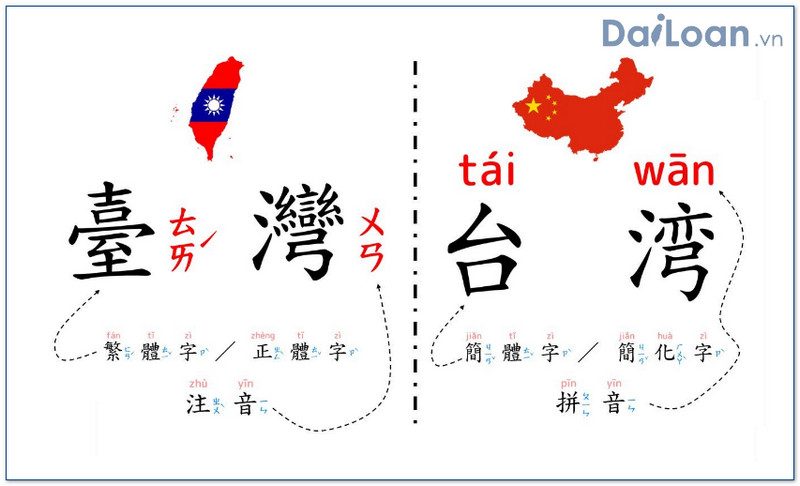
- 電視 (diàn shì): This part means ‘television.’ The character

- 劇 (jù): This character means ‘drama’ or ‘play’. It denotes a performance or a scripted narrative, typically characterized by its engaging and emotional storytelling.


Grammatical Structure of 電視劇
The structure of 電視劇 in terms of grammar is relatively straightforward. In Chinese, nouns such as 電視劇 can serve various grammatical functions based on the context. Let’s analyze its structure:
Noun Phrase Formation

In phrases, 電視劇 can be preceded by modifiers, such as adjectives or verbs. For example:
- 受歡迎的電視劇 (shòu huān yíng de diàn shì jù) – ‘popular television drama’
- 新上映的電視劇 (xīn shàng yǐng de diàn shì jù) – ‘newly released television drama’
Usage in Sentences
The structural role of 電視劇 can vary, and here are some typical scenarios:
- 我昨天看了一部很好的電視劇。 (Wǒ zuótiān kànle yī bù hěn hǎo de diàn shì jù.)
Translation: “I watched a very good television drama yesterday.” - 這部電視劇的劇情非常吸引人。 (Zhè bù diàn shì jù de jùqíng fēicháng xīyǐn rén.)
Translation: “The storyline of this television drama is very engaging.” - 我們今晚一起看電視劇吧。 (Wǒmen jīn wǎn yīqǐ kàn diàn shì jù ba.)
Translation: “Let’s watch a television drama together tonight.”
Example Sentences Using 電視劇
To deepen your understanding, here are additional example sentences that effectively incorporate 電視劇:
Descriptive Sentences
- 她最喜歡的電視劇是《琅琊榜》。 (Tā zuì xǐhuān de diàn shì jù shì ‘Lángyá Bǎng.’)
Translation: “Her favorite television drama is ‘Nirvana in Fire’.” - 這部電視劇在去年取得了很高的收視率。 (Zhè bù diàn shì jù zài qùnián qǔdéle hěn gāo de shōushì lǜ.)
Translation: “This television drama achieved very high ratings last year.”
Question Forms
- 你喜歡看哪種類型的電視劇? (Nǐ xǐhuān kàn nǎ zhǒng lèixíng de diàn shì jù?)
Translation: “What type of television dramas do you like to watch?” - 有什麼電視劇推薦給我嗎? (Yǒu shénme diàn shì jù tuījiàn gěi wǒ ma?)
Translation: “Do you have any television dramas to recommend to me?”
Conclusion
In summary, 電視劇 (diàn shì jù) represents a significant aspect of Chinese culture, capturing the intrigues of life through storytelling on television. Understanding its meaning, grammatical structure, and practical applications enriches one’s appreciation for this form of entertainment. Whether you’re a learner of the Chinese language or merely an enthusiast of dramas, exploring this term opens a new avenue for engagement with Chinese media.


Sứ mệnh của Chuyên là giúp đỡ và truyền cảm hứng cho các bạn trẻ Việt Nam sang Đài Loan học tập, sinh sống và làm việc. Là cầu nối để lan tỏa giá trị tinh hoa nguồn nhân lực Việt Nam đến với Đài Loan và trên toàn cầu.
CÓ THỂ BẠN QUAN TÂM
Du học Đài Loan
Lao Động Đài Loan
Việc Làm Đài Loan
Đơn Hàng Đài Loan
Visa Đài Loan
Du Lịch Đài Loan
Tiếng Đài Loan
KẾT NỐI VỚI CHUYÊN
Zalo: https://zalo.me/0936126566
Website: www.dailoan.vn