



Introduction to 青春 (qīng chūn)
The term 青春 (qīng chūn) is one of the most evocative words in the Chinese language, embodying the essence of youth and vitality. Literally translated, 青春 refers to “youth” or “adolescence,” a period often characterized by growth, discovery, and emotional intensity. In this article, we will delve into its deeper meaning, grammatical structure, and provide engaging example sentences to illustrate its usage in daily conversation.

Meaning of 青春
青春 encapsulates not just the physical aspect of being young but also the emotions and experiences associated with this vibrant stage of life. It conveys an idea of optimism, boundless energy, and a sense of freedom that is often lost with age. Beyond its literal interpretation, 青春 is frequently used in cultural contexts, reflecting themes of love, aspiration, and the rush of life.
Conceptual Significance
In Chinese culture, youth is celebrated through various forms of expression, including literature, cinema, and music. The term 青春 often features prominently, symbolizing not just a period of life but a mindset and spirit.
Grammatical Structure of 青春
From a grammatical standpoint, 青春 is a noun that can appear as a subject or object in a sentence. It is composed of two characters:
- 青 (qīng): This character means “green” or “young,” often associated with freshness and vitality.
- 春 (chūn): This character means “spring,” symbolizing renewal, growth, and the beginning of new life.
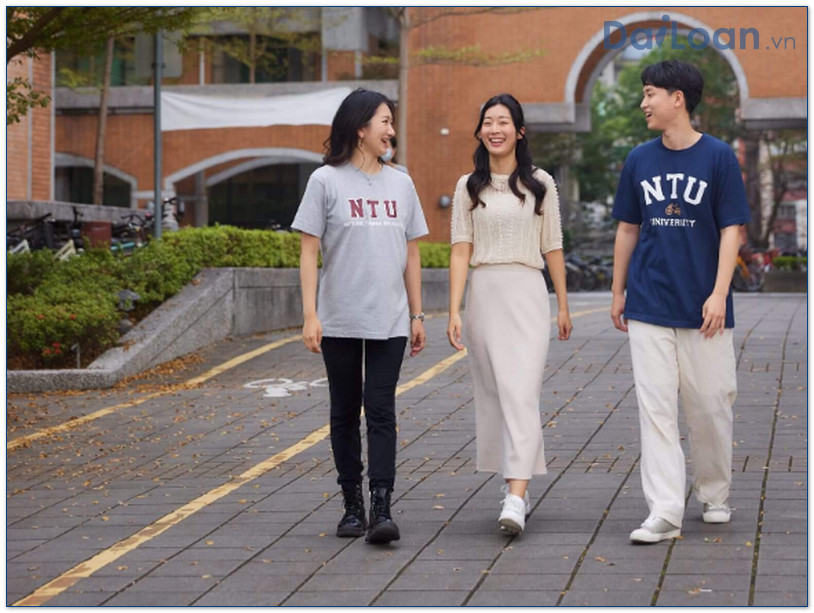

The combination of these two characters emphasizes the freshness and vitality of youth, much like the season of spring rejuvenates nature.
Usage in Sentences

青春 is versatile and can be incorporated into various types of sentences. Below are examples that showcase its application:
Example Sentences
- 她总是怀念自己的青春。 (Tā zǒng shì huái niàn zì jǐ de qīng chūn.) — “She always reminisces about her youth.”
- 青春是人生中最美好的时光。 (Qīng chūn shì rén shēng zhōng zuì měi hǎo de shí guāng.) — “Youth is the most beautiful time of life.”
- 他在青春时期经历了很多挑战。 (Tā zài qīng chūn shí qī jīng lì le hěn duō tiǎo zhàn.) — “He experienced many challenges during his youth.”
- 我的青春充满了梦想和希望。 (Wǒ de qīng chūn chōng mǎn le mèng xiǎng hé xī wàng.) — “My youth was filled with dreams and hopes.”
Cultural Context of 青春
The concept of 青春 is deeply rooted in Chinese culture. It is often associated with themes of growth, aspiration, and sometimes the bittersweet nature of memories. Many songs, poems, and films capture the essence of 青春, portraying the sometimes fleeting experiences of being young.
Youth in Modern China
In contemporary society, 青春 represents more than just a biological phase; it signifies the struggles and triumphs of the younger generation as they navigate toward adulthood, often dealing with issues such as education, career, and relationships. Chinese youth today leverage the concept of 青春 as they aspire to fulfill their dreams in an ever-changing world.
Conclusion
Understanding 青春 (qīng chūn) goes beyond its literal translation of “youth.” It encapsulates the vibrant spirit of the younger generation and reflects cultural nuances that resonate across various aspects of Chinese life. By exploring its meaning, grammatical structure, and usage through example sentences, one gains a richer appreciation of not only the word itself but also the values and emotions it embodies.


Sứ mệnh của Chuyên là giúp đỡ và truyền cảm hứng cho các bạn trẻ Việt Nam sang Đài Loan học tập, sinh sống và làm việc. Là cầu nối để lan tỏa giá trị tinh hoa nguồn nhân lực Việt Nam đến với Đài Loan và trên toàn cầu.
CÓ THỂ BẠN QUAN TÂM
Du học Đài Loan
Lao Động Đài Loan
Việc Làm Đài Loan
Đơn Hàng Đài Loan
Visa Đài Loan
Du Lịch Đài Loan
Tiếng Đài Loan
KẾT NỐI VỚI CHUYÊN
Zalo: https://zalo.me/0936126566
Website: www.dailoan.vn