


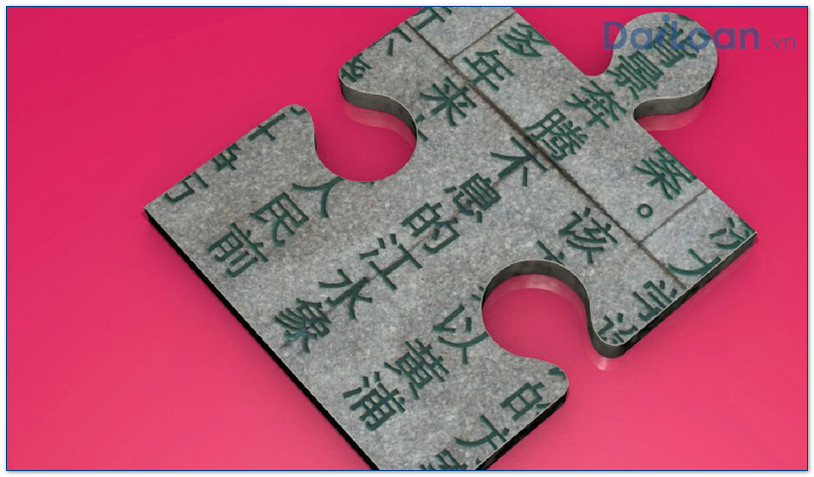
What Does 面前 (miàn qián) Mean?
面前 (miàn qián) is a commonly used Chinese expression that literally translates to “in front of” or “before.” This phrase is often used to denote physical positioning, emotional states, or metaphorical scenarios. Understanding its nuanced meanings is crucial for effective communication in Chinese. It can refer to being faced with a situation, encountering a person, or confronting an issue.
Grammatical Structure of 面前
面前 (miàn qián) functions as a locational noun in Mandarin Chinese. The structure can be broken down as follows:
- 面 (miàn): This character means “face” or “surface” and here it indicates the front or surface area.
- 前 (qián):


Together, 面前 signifies the area or position that is directly in front of someone, making it a critical component in both spatial and metaphorical contexts.
Using 面前 in Context
面前 can be used in various contexts, including but not limited to physical proximity, metaphorical challenges, and interpersonal relationships. Here are some typical applications:
Physical Context
- Example 1: 他站在我面前。 (Tā zhàn zài wǒ miàn qián.) – “He is standing in front of me.”
- Example 2: 面前有一棵大树。 (Miàn qián yǒu yī kē dà shù.) – “There is a big tree in front of me.”
Emotional and Metaphorical Context
- Example 3: 在我面前有很多选择。 (Zài wǒ miàn qián yǒu hěn duō xuǎnzé.) – “I have many choices in front of me.”
- Example 4: 我们面临着许多挑战。 (Wǒmen miànlín zhe xǔduō tiǎozhàn.) – “We are facing many challenges.”
Common Expressions Using 面前
面前 is often found in idiomatic expressions and phrases, enhancing the richness of the Chinese language. Some of them include:

- 面对 (miàn duì): This phrase translates to “to face” or “to confront,” and describes the active engagement with a situation.
- 在…面前 (zài… miàn qián): This structure is used to indicate “in front of” someone or something, often used in a formal context.
Conclusion
In summary, understanding 面前 (miàn qián) is essential for anyone looking to enhance their fluency in Chinese. Its multifaceted meanings and applications make it a powerful tool for expression, whether in the context of physical space or metaphorical challenges. By studying its grammatical structure and various usage scenarios, language learners can communicate more effectively and confidently in Mandarin Chinese.
Further Reading
For additional resources and exercises on mastering the usage of 面前 and similar phrases, consider exploring language learning platforms or engaging in conversation practice with native speakers.


Sứ mệnh của Chuyên là giúp đỡ và truyền cảm hứng cho các bạn trẻ Việt Nam sang Đài Loan học tập, sinh sống và làm việc. Là cầu nối để lan tỏa giá trị tinh hoa nguồn nhân lực Việt Nam đến với Đài Loan và trên toàn cầu.
CÓ THỂ BẠN QUAN TÂM
Du học Đài Loan
Lao Động Đài Loan
Việc Làm Đài Loan
Đơn Hàng Đài Loan
Visa Đài Loan
Du Lịch Đài Loan
Tiếng Đài Loan
KẾT NỐI VỚI CHUYÊN
Zalo: https://zalo.me/0936126566
Website: www.dailoan.vn