


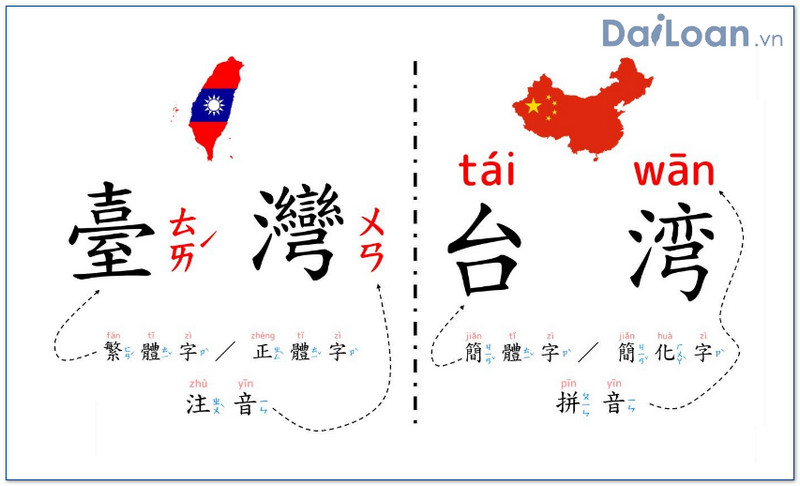
Introduction to 頭髮/髮 (tóufǎ / fǎ)
In the Chinese language, words often convey intricate meanings beyond their literal translations. One such word is 頭髮 (tóufǎ), which translates to “hair” in English. Understanding the lexical nuances and grammatical structure of this term is crucial for learners of Chinese. In this article, we will explore the meaning of 頭髮/髮 (tóufǎ / fǎ), the grammatical structure, and provide various example sentences to illustrate their usage in everyday contexts.
Meaning of 頭髮/髮 (tóufǎ / fǎ)
The word 頭髮 consists of two characters: 頭 (tóu) meaning “head,” and 髮 (fǎ) meaning “hair.” Thus, 頭髮 directly translates to “head hair.” In addition, 髮 by itself can still represent hair in general, but it can refer to hair on different parts of the body in specific contexts. Understanding these meanings is pivotal when forming sentences or engaging in conversations related to personal appearance, grooming, and health.
Nuances of 髮 (fǎ) in Different Contexts
The character 髮 can be used on its own to refer to hair in a more general sense. For instance, it appears in various compounds and phrases related to hair care, style, and hairstyles. It is essential for learners to recognize these contexts to avoid confusion in communication.
Grammatical Structure of 頭髮/髮 (tóufǎ / fǎ)
Understanding the grammatical structure of 頭髮 and 髮 is fundamental for effective communication in Chinese. Here’s a breakdown of their structures:
Lexical Composition
- 頭髮 (tóufǎ):
- 髮 (fǎ): This character can stand alone or serve in combinations where it retains its meaning related to hair.

Usage in Sentences
In practice, both 頭髮 and 髮 are used as subjects, objects, and in prepositional phrases. Here are some key points to remember:

- As a subject: Your sentence might start with 頭髮, indicating the topic of discussion.
- As an object: It can be affected by verbs related to grooming or styling.
- In phrases: может быть использован в различных сочетаниях для выражения идей, связанных с волосами.
Example Sentences Using 頭髮/髮
To enhance your understanding, let’s explore some example sentences using 頭髮 and 髮:
Simple Sentences
- 我有長頭髮。(Wǒ yǒu cháng tóufǎ.) — I have long hair.
- 他剪了頭髮。(Tā jiǎnle tóufǎ.) — He cut his hair.
Complex Sentences
- 她的頭髮很漂亮,大家都喜歡。(Tā de tóufǎ hěn piàoliang, dàjiā dōu xǐhuān.) — Her hair is very beautiful, and everyone likes it.
- 我每個星期都去理髮店修理頭髮。(Wǒ měi gè xīngqī dōu qù lǐfǎ diàn xiūlǐ tóufǎ.) — I go to the barber shop every week to get my hair trimmed.
Questions and Answers
- Q: 你覺得這件髮型好看嗎?(Nǐ juédé zhè jiàn fàxíng hǎokàn ma?) — Do you think this hairstyle looks good?
- A: 我覺得非常好看!(Wǒ juédé fēicháng hǎokàn!) — I think it looks great!
Conclusion
In conclusion, the study of 頭髮/髮 (tóufǎ / fǎ) is more than just understanding its meaning; it encompasses grasping its grammatical utility and application in everyday conversation. By using the example sentences provided, learners can enhance their vocabulary and improve their fluency in discussing topics related to appearance and personal grooming in Chinese. As with any aspect of language learning, practice and usage in context will solidify understanding and capability.


Sứ mệnh của Chuyên là giúp đỡ và truyền cảm hứng cho các bạn trẻ Việt Nam sang Đài Loan học tập, sinh sống và làm việc. Là cầu nối để lan tỏa giá trị tinh hoa nguồn nhân lực Việt Nam đến với Đài Loan và trên toàn cầu.
CÓ THỂ BẠN QUAN TÂM
Du học Đài Loan
Lao Động Đài Loan
Việc Làm Đài Loan
Đơn Hàng Đài Loan
Visa Đài Loan
Du Lịch Đài Loan
Tiếng Đài Loan
KẾT NỐI VỚI CHUYÊN
Zalo: https://zalo.me/0936126566
Website: www.dailoan.vn