


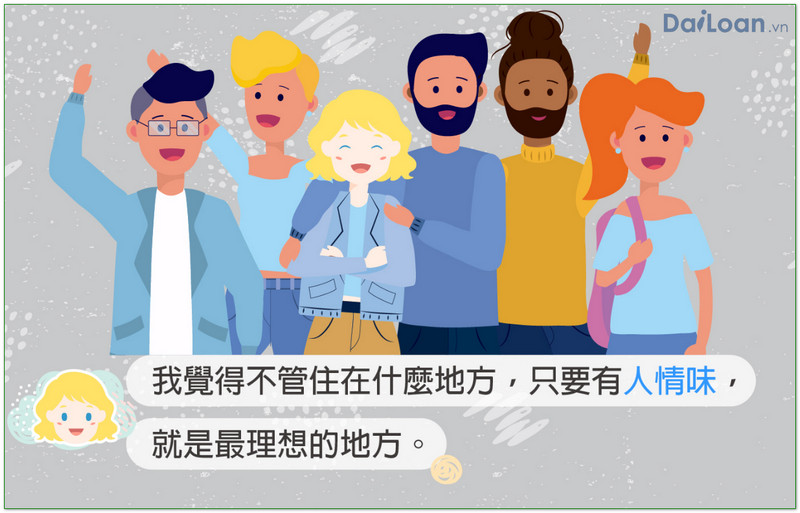
Introduction
The Chinese language is rich in idiomatic expressions and complex structures, and one such term that often piques curiosity is 骨肉 (gǔ ròu). Literally translating to “bone and flesh,” this term encapsulates both familial ties and deep emotional connections. In this article, we will delve into the meaning, grammatical structure, and practical applications of 骨肉 through various sentences and contexts. Let’s explore this fascinating term together.
1. The Meaning of 骨肉 (gǔ ròu)
In Chinese culture, 骨肉 signifies a strong bond, often referring to family members, especially immediate ones like children and parents. It implies not only physical kinship but also emotional attachment and loyalty. The term is often used in discussions about family values and relationships.
1.1 Cultural Significance
Understanding the cultural weight of 骨肉 is crucial for learners of Chinese. In many situations, referring to someone as 骨肉 can evoke feelings of warmth and belonging, reflecting the deep-seated values of collectivism and familial respect inherent in Chinese society.

2. Grammatical Structure of 骨肉 (gǔ ròu)
From a grammatical perspective, 骨肉 is comprised of two characters:
- 骨 (gǔ): meaning “bone.”
- 肉 (ròu): meaning “flesh” or “meat.”


When combined, they form a noun that portrays a holistic representation of the human body, hence symbolizing the bond between family members.
2.1 Usage in Sentences
骨肉 is typically used as a noun in sentences. Here are some sentence structures that can help illustrate its usage:
- Subject + 骨肉 + Verb
- Verb + 骨肉 + Complement
3. Example Sentences Using 骨肉
To further illustrate the usage of 骨肉, here are some example sentences:
3.1 Sentence Examples
- 这就是我的骨肉,我们永远是一家人。
(Zhè jiù shì wǒ de gǔ ròu, wǒmen yǒngyuǎn shì yījiā rén.)
Translation: This is my kin; we are forever a family. - 任何人都不能伤害我的骨肉。
(Rènhé rén dōu bùnéng shānghài wǒ de gǔ ròu.)
Translation: No one can hurt my family. - 他对我说,骨肉之情比任何东西都重要。
(Tā duì wǒ shuō, gǔ ròu zhī qíng bǐ rènhé dōngxi dōu zhòngyào.)
Translation: He told me that family ties are more important than anything else.
4. Conclusion
In conclusion, 骨肉 (gǔ ròu) is more than just a term; it embodies the essence of familial relationships in Chinese culture. By understanding its meaning and grammatical usage, language learners can more effectively communicate their thoughts and emotions surrounding family. Begin incorporating 骨肉 in your conversational Chinese to express these vital connections, and deepen your understanding of the cultural nuances behind the language.
4.1 Final Thoughts
Language is a gateway to understanding culture, and terms like 骨肉 offer a glimpse into the values and beliefs that shape relationships in Chinese society. Embrace these lessons as you continue your journey in learning Mandarin.


Sứ mệnh của Chuyên là giúp đỡ và truyền cảm hứng cho các bạn trẻ Việt Nam sang Đài Loan học tập, sinh sống và làm việc. Là cầu nối để lan tỏa giá trị tinh hoa nguồn nhân lực Việt Nam đến với Đài Loan và trên toàn cầu.
CÓ THỂ BẠN QUAN TÂM
Du học Đài Loan
Lao Động Đài Loan
Việc Làm Đài Loan
Đơn Hàng Đài Loan
Visa Đài Loan
Du Lịch Đài Loan
Tiếng Đài Loan
KẾT NỐI VỚI CHUYÊN
Zalo: https://zalo.me/0936126566
Website: www.dailoan.vn