


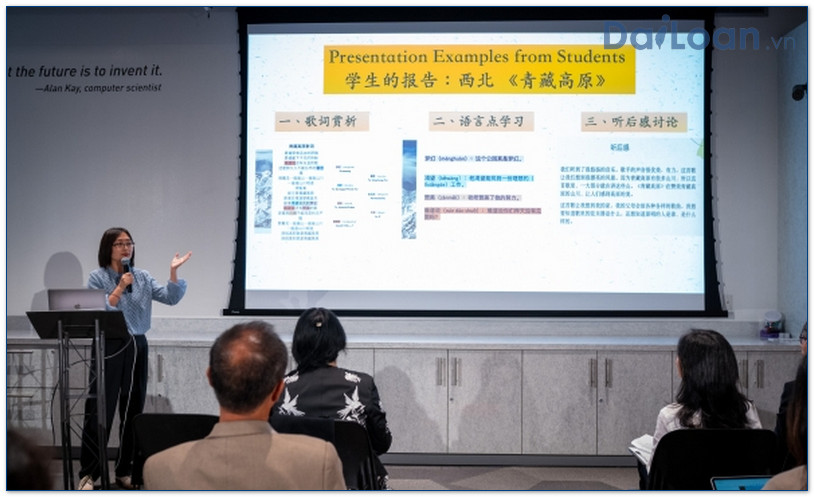
In the rich tapestry of the Chinese language, certain terms carry profound cultural significance. One such term is 傻瓜 (shǎ guā). Often translated as “fool” or “idiot,” it encapsulates both a playful teasing and a genuine expression of disbelief in someone’s actions. In this article, we will delve into the meaning of 傻瓜 (shǎ guā), its grammatical structure, and practical usage through various example sentences.
What Does ‘傻瓜 (shǎ guā)’ Mean?

The term 傻瓜 (shǎ guā) is a noun in Chinese that denotes a person who is perceived as foolish or silly. The word is composed of two characters:
- 傻 (shǎ) – foolish, silly
- 瓜 (guā) – melon; in this context, it serves as a suffix to emphasize the foolish quality.
While it can be used derogatorily, it is often employed in a light-hearted or joking manner among friends and family. Thus, understanding the context is key to interpreting the word correctly.
Grammatical Structure of ‘傻瓜 (shǎ guā)’
In terms of grammatical structure, 傻瓜 (shǎ guā) functions as a noun. It can be used in various sentence constructions, depending on what the speaker wishes to convey. Let’s break down some of its grammatical aspects:
Noun Usage
As a noun,
Character Breakdown
Additionally, let’s explore the two characters:
- 傻 (shǎ) can stand alone as an adjective or noun describing someone as silly, while 瓜 (guā) often appears in metaphoric language or idiomatic expressions.
- In colloquial terms, using “瓜” (guā) often brings a more informal and humorous tone to the phrase.
Sentence Structure
When used in sentences, the structure generally follows the subject + verb + complement pattern in Mandarin:
- Subject: 我 (wǒ – I)
- Verb: 觉得 (juédé – feel)
- Complement: 傻瓜 (shǎ guā)
Example: 我觉得他是个傻瓜 (Wǒ juédé tā shì gè shǎ guā) – “I think he is a fool.”
Example Sentences Using ‘傻瓜 (shǎ guā)’
To better illustrate the use of 傻瓜 (shǎ guā), here are several example sentences showcasing its versatility:
Example 1
你怎么会做这样的事,真是个傻瓜! (Nǐ zěnme huì zuò zhèyàng de shì, zhēn shì gè shǎ guā!)
Translation: “How could you do such a thing? You are really a fool!” This illustrates a moment of disbelief, often conveying playful frustration.
Example 2
他总是把事情搞砸,真个傻瓜。 (Tā zǒng shì bǎ shìqíng gǎo zá, zhēn gè shǎ guā.)
Translation: “He always messes things up; he’s really a fool.” This depicts a more serious reprimand, while still being conversational.
Example 3
你真的相信那个传言吗?你可真傻瓜! (Nǐ zhēn de xiāngxìn nàgè chuányán ma? Nǐ kě zhēn shǎ guā!)
Translation: “Do you really believe that rumor? You are such a fool!” This sentence uses 傻瓜 (shǎ guā) in a more humorous, teasing context.
Conclusion
Understanding the term 傻瓜 (shǎ guā) goes beyond its direct translation; it opens a window into the cultural nuances of the Chinese language. Whether used in jest or as a term of genuine criticism, 傻瓜 reflects the rich emotional context in which language operates. By exploring its meaning, grammatical structure, and example sentences, learners can better appreciate this playful yet poignant term. Embrace the light-heartedness of 傻瓜 (shǎ guā) in your conversations and enjoy the depth of Chinese language and culture!


Sứ mệnh của Chuyên là giúp đỡ và truyền cảm hứng cho các bạn trẻ Việt Nam sang Đài Loan học tập, sinh sống và làm việc. Là cầu nối để lan tỏa giá trị tinh hoa nguồn nhân lực Việt Nam đến với Đài Loan và trên toàn cầu.
CÓ THỂ BẠN QUAN TÂM
Du học Đài Loan
Lao Động Đài Loan
Việc Làm Đài Loan
Đơn Hàng Đài Loan
Visa Đài Loan
Du Lịch Đài Loan
Tiếng Đài Loan
KẾT NỐI VỚI CHUYÊN
Zalo: https://zalo.me/0936126566
Website: www.dailoan.vn